




We're Not Mad Nissan Is Delaying the Cheapest 2026 Leaf Trim


What Car Shoppers Need to Know
- Nissan has delayed the introduction of the cheapest Nissan Leaf to the U.S. market until at least 2027, according to reports, citing changing market conditions.
- The real reasons are likely to do with import tariffs, vehicle profitability, cannibalized sales of better-equipped trims and simple consumer demand.
No sooner did we declare the 2026 Nissan Leaf electric vehicle our Best Car of 2026 than Nissan said it decided not to bring a less expensive version to the U.S. for this year. There are a few reasons why Nissan might not bring the cheapest Leaf to market just yet, and frankly, they’re good ones.
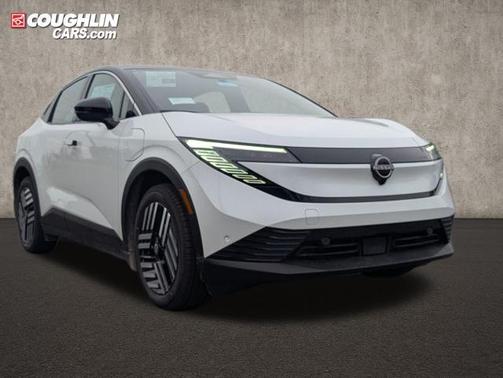
Speaking to EV enthusiast website InsideEVs, the company said it is delaying the introduction of the Leaf’s S trim, the previously announced base variant with a smaller 52-kilowatt-hour battery pack and less powerful 174-horsepower drivetrain, until at least 2027 if not indefinitely. The Leaf will instead continue on with the S+ trim as the entry point for the all-new model with its 75-kWh battery, 214-horsepower powertrain and $31,485 starting price (all prices include destination fees).
Related: Research the 2026 Nissan Leaf
Why Is Nissan Delaying the Entry-Level Leaf?
The delay of the Leaf S is at least into 2027, according to the website. The response Nissan gave to InsideEVs said:
“Nissan continually evaluates market trends, customer preferences, and the evolving EV landscape to ensure we are focusing our resources where they create the most value. As part of that process, we have decided not to introduce the smaller‑battery variant of the 2026 Nissan Leaf in the U.S. this model year,” Dominic Vizor, the company’s director of product communications for the U.S., told [InsideEVs editor Mack Hogan] in an emailed statement. “We remain committed to delivering the right products at the right time, and we will continue to assess future battery configurations based on customer demand and segment needs.”
But why would Nissan decide to do this?
The ‘Evolving EV Landscape’ Is Real
The U.S. has gone from having an EV-friendly federal policy that fostered adoption to one that’s openly hostile toward EVs, with the cancellation of the federal tax refund for purchasing one and the legislative and judicial fight over funding additional charging infrastructure.
- EV sales in the U.S. have plummeted since the third quarter of 2025 after the $7,500 federal tax credit expired.
- Many automakers have shifted their EV strategy, while some have abandoned EV programs altogether.
- Every automaker is evaluating their marketing plans and strategies in the U.S. as the artificial (but decidedly helpful) monetary assistance provided by the federal government has evaporated, resulting in what is essentially an automatic price hike on nearly every new EV.
- In a market already reeling from high new-vehicle prices, that has many automakers and customers reevaluating their decisions.
Related Video:
Tariffs Are Not Helping
The unpredictable tariff situation in the U.S. is already putting imported vehicles at a price disadvantage, as automakers are having to find creative ways to either roll the cost of the tariffs into the purchase price for consumers or opt to eat the cost of the tariffs.
- Imported vehicles like the Leaf are subject to multiple tariffs and are already on sketchy ground with regards to product planning — automakers must decide if bringing a car to sell in the U.S. is worth it in other ways if it can’t be sold at a profit.
- Nissan pulled the imported Ariya mid-size electric SUV from the market for 2026 due in part to tariffs making it unfavorable for Nissan to sell in the U.S.
- Nissan’s decision to leave the more expensive Leaf S+ as the cheapest version is likely due in part to the less expensive S trim being less able to absorb the effect that tariffs would have on its price and profitability.
- Given Nissan’s already rocky financial situation in the last few years, not selling a vehicle and trim that struggles with profitability is a smart choice for Nissan.
Buyers May Not Want a Lesser Leaf
We like the new Leaf a lot and already think it’s a great value at its current price. That’s due in part to it having over 300 miles of range, and we know a lot of buyers feel that having the most range for the buck is a key metric for EVs.
- The only reason to bring a lesser-equipped, slower, less powerful, lower-range Leaf S trim to market for a couple of thousand dollars less than the S+ trim would be to crow about having the least expensive EV you can buy in the U.S.
- This cheaper model would potentially steal sales from the better-in-every-way S+ trim, and the cost of being able to brag about being cheapest doesn’t make sense if the cars you sell aren’t making you money.
- If buyers are already snapping up the Leaf S+, there’s little reason to go lower, especially since the Leaf’s starting price is almost $20,000 less than the current average transaction price of a new car these days anyway.
The Bolt Is Coming … Briefly?
We’ll be very interested to see how the new 2027 Chevrolet Bolt stacks up against the ‘26 Leaf in terms of sales after the Bolt generates a couple of months of sales; it’s currently on sale.
- The Bolt is cheaper and a bit smaller, with less range and horsepower, and apparently, rumor has it GM is only bringing it back for one model year.
- The idea that it will be a brief one-year run feels odd given how much investment GM made into bringing the Bolt up to new specs with a new interior, battery pack and mildly revised sheet metal.
- ${price_badge()}
- ${ami_badge()}
- ${battery_badge()}${ev_report_link()}
- ${hot_car_badge()}
- ${award_badge()}
- ${cpo_badge()}
${price_badge_description}
${ami_badge_description}
The EV Battery Rating is based on this vehicle's current expected range relative to the vehicles expected range when new. ${battery_badge_text}
This vehicle is certified pre-owned, backed by a manufacturer warranty, and typically undergoes a rigorous multi-point inspection to ensure quality and reliability.
This vehicle is currently in high demand given its competitive price, desirable features, and overall condition, and may have a higher chance of selling quickly.
Shop the 2026 Nissan Leaf near you

More on the Nissan Leaf From Cars.com:
- All-New 2026 Nissan Leaf Remains Cheapest EV Available, Starts at $31,485
- 2026 Nissan Leaf Review: Value Victory
- The EV Tax Credit Is Done; What Should an EV Shopper Do Now?
- What to Know Before Purchasing an Electric Vehicle: A Buying Guide
- Here Are the 11 Cheapest Electric Vehicles You Can Buy
- Add Cars.com as a Preferred Source on Google
Cars.com’s Editorial department is your source for automotive news and reviews. In line with Cars.com’s long-standing ethics policy, editors and reviewers don’t accept gifts or free trips from automakers. The Editorial department is independent of Cars.com’s advertising, sales and sponsored content departments.