





Best electric & hybrid cars
Looking for alternative fuel vehicles? Check out the EVs and hybrids in your area.
Best eco-friendly cars
-

2026 Hyundai IONIQ 5
5 reviews $35,000 starting price
245 mile range
Spacious electric crossover with long range and affordable
Shop now for 2026 Hyundai IONIQ 5 -

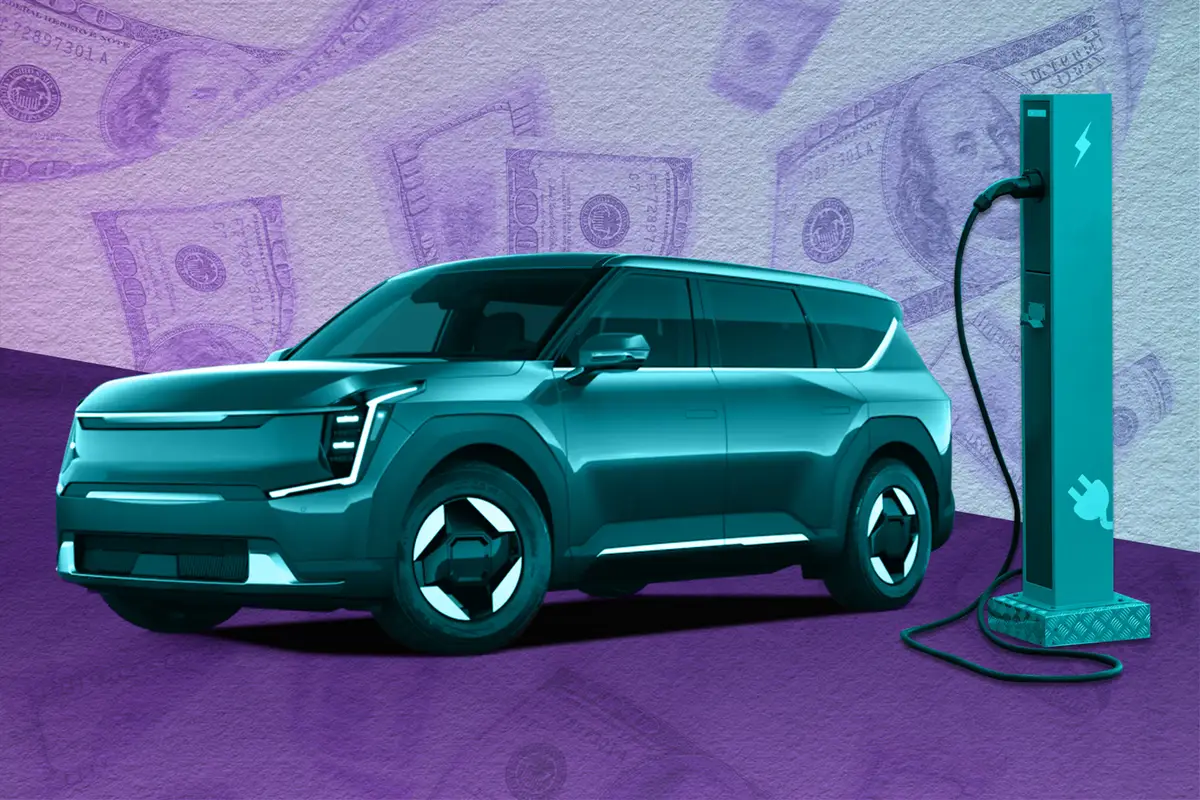
2026 Kia EV9
$54,900 starting price
230 mile range
Spacious three-row SUV with fast charging and good range
Expert review Shop now for 2026 Kia EV9 -
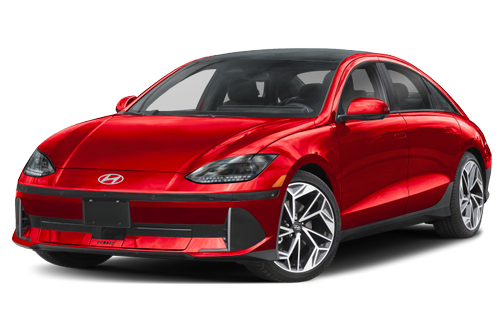
2025 Hyundai IONIQ 6
2 reviews $37,850 starting price
240 mile range
Sleek electric sedan with excellent range and value
Expert review Shop now for 2025 Hyundai IONIQ 6 -
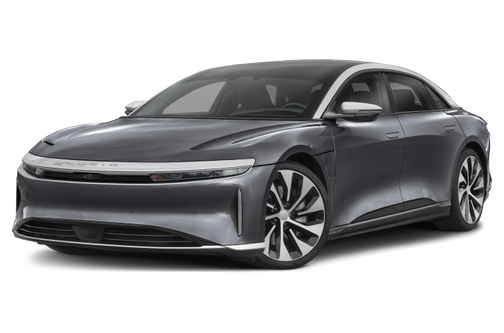
2026 Lucid Air
$70,900 starting price
420 mile range
Luxurious electric sedan with exceptional range and charging speed
Expert review Shop now for 2026 Lucid Air -

2025 Chevrolet Equinox EV
12 reviews $33,600 starting price
319 mile range
Affordable compact electric SUV with impressive range for the money
Expert review Shop now for 2025 Chevrolet Equinox EV -
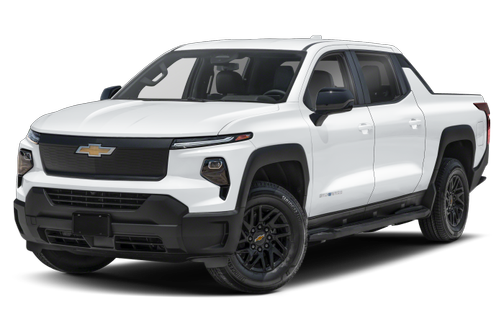
2025 Chevrolet Silverado EV
$55,000 starting price
492 mile range
Big, versatile electric truck with impressive range
Expert review Shop now for 2025 Chevrolet Silverado EV -
Read more about our Top EV Picks of 2026
See the full list
-
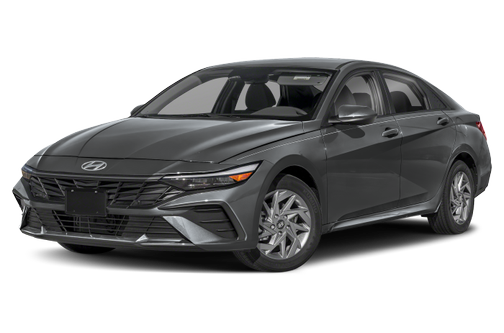
2025 Hyundai ELANTRA HEV
1 reviews $25,450 starting price
51 city / 58 hwy MPG
Efficient compact sedan with impressive fuel-saving hybrid technology
Expert review Shop now for 2025 Hyundai ELANTRA HEV -
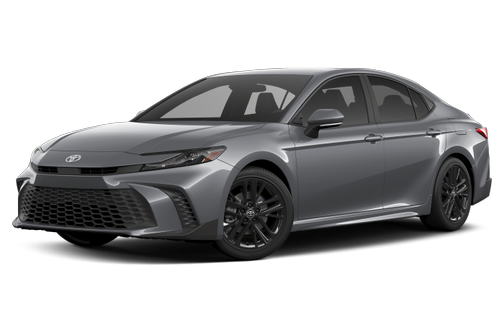
2025 Toyota Camry
12 reviews $28,700 starting price
53 city / 50 hwy MPG
Reliable mid-size sedan with standard hybrid technology
Expert review Shop now for 2025 Toyota Camry -

2025 Toyota Prius
3 reviews $28,350 starting price
57 city / 56 hwy MPG
Stylish hybrid with great mpg and affordable price
Expert review Shop now for 2025 Toyota Prius -

2025 Toyota Crown
$41,440 starting price
42 city / 41 hwy MPG
Spacious hybrid sedan with comfortable ride, efficient powertrain.
Expert review Shop now for 2025 Toyota Crown -
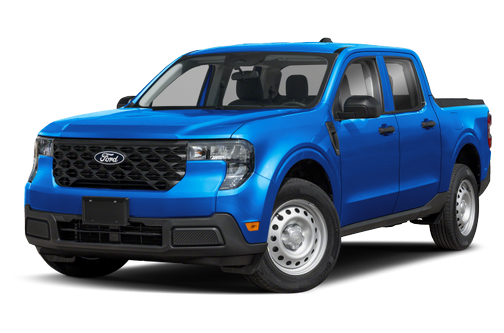
2025 Ford Maverick
9 reviews $28,145 starting price
40 city / 34 hwy MPG
Compact, economical pickup with excellent gas mileage
Expert review Shop now for 2025 Ford Maverick -

2025 Toyota Corolla Cross Hybrid
$28,495 starting price
45 city / 38 hwy MPG
Efficient, affordable subcompact SUV with excellent fuel economy
Expert review Shop now for 2025 Toyota Corolla Cross Hybrid -

2025 Kia Sportage Hybrid
1 reviews $28,790 starting price
42 city / 44 hwy MPG
Roomy compact SUV with good mileage and affordable pricing
Expert review Shop now for 2025 Kia Sportage Hybrid -
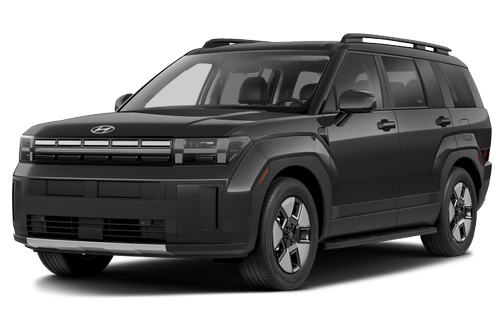
2025 Hyundai SANTA FE HEV
3 reviews $37,800 starting price
36 city / 35 hwy MPG
Three-row, fuel-efficient mid-size SUV with competitive pricing
Expert review Shop now for 2025 Hyundai SANTA FE HEV -
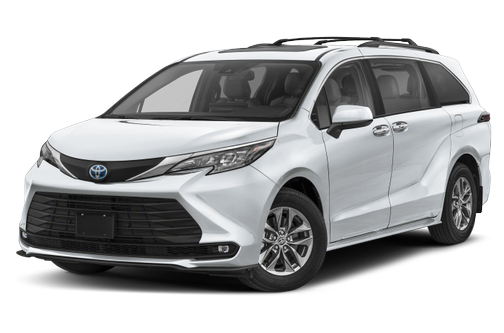
2025 Toyota Sienna
4 reviews $39,485 starting price
36 city / 36 hwy MPG
Spacious hybrid minivan with excellent fuel economy that’s reasonably priced
Expert review Shop now for 2025 Toyota Sienna -
Read more about the best hybrids for the money
See the full list
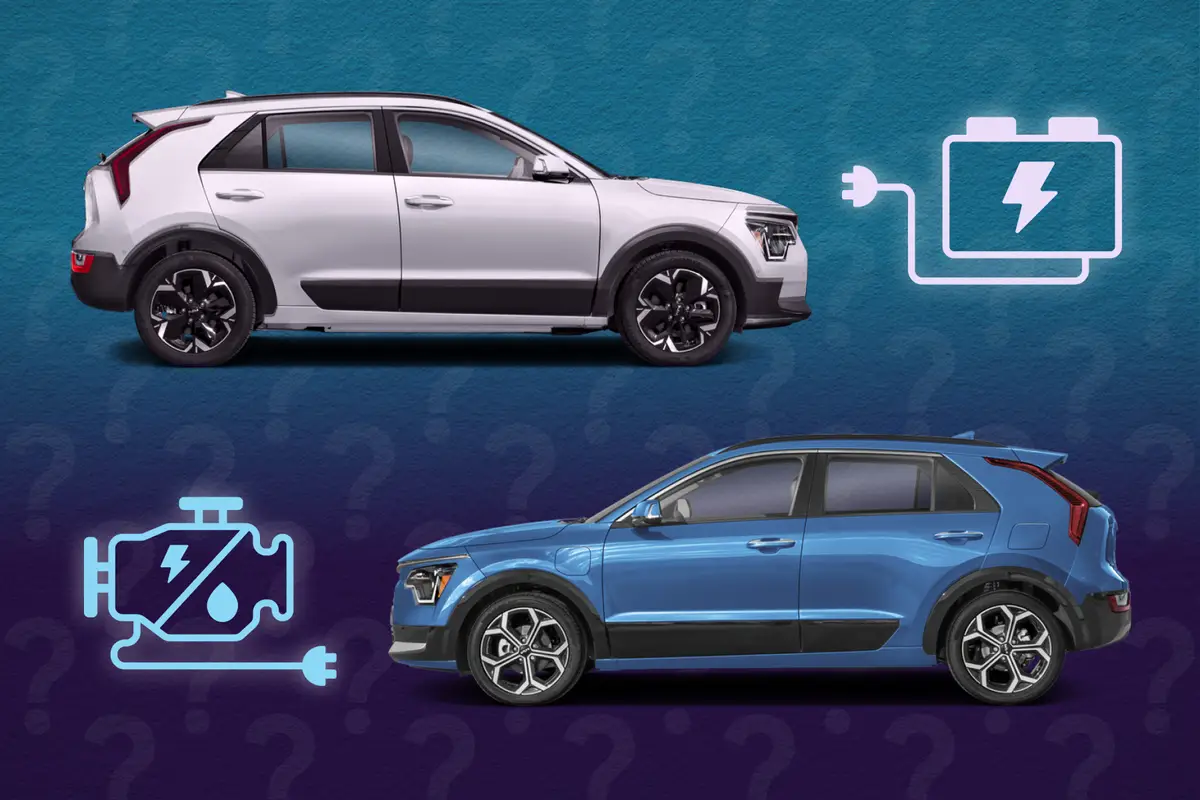
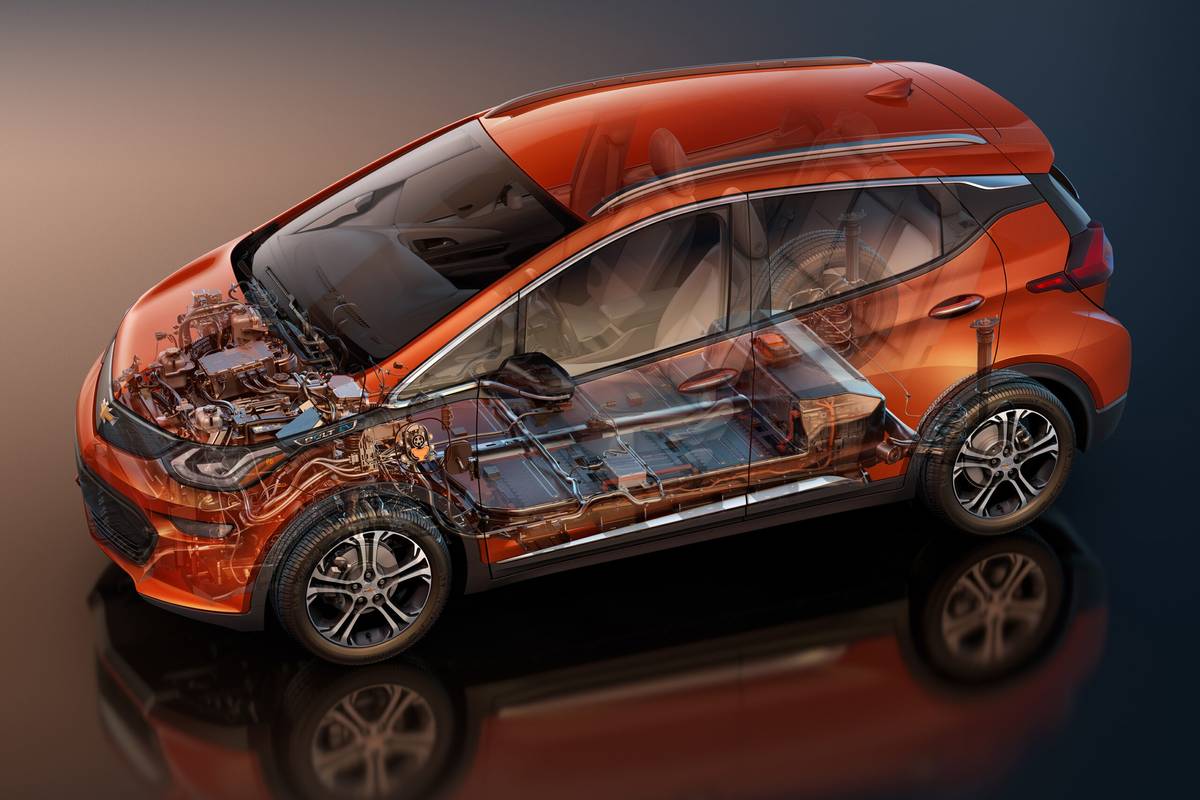
What's the difference between an EV, hybrid, and a plug-in hybrid?
- Runs solely on electricity
- Long charging times compared to gasoline
- Produces zero tailpipe emissions
- Average driving range between 200-300 miles
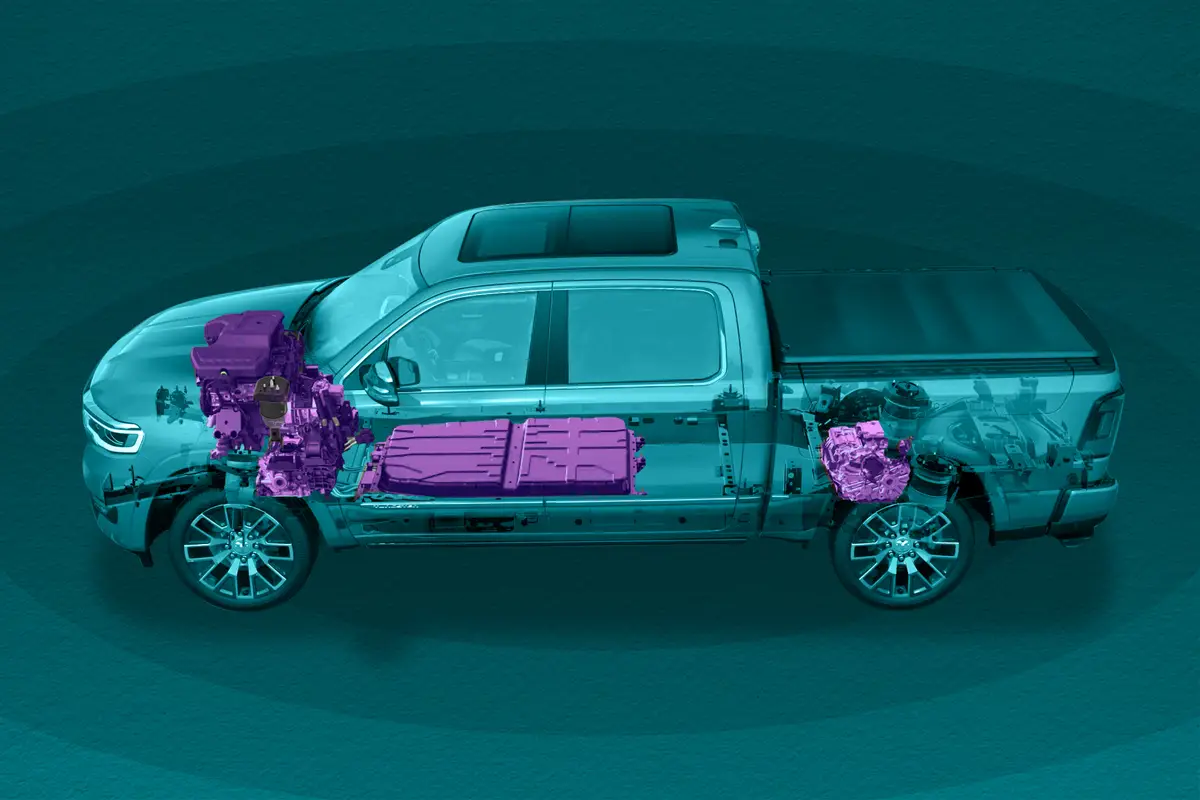
- Gasoline engine pairs with small electric motor and battery
- Electric motor assists gas engine for better mileage
- No charging needed; battery recharges while driving
- Refuels like a regular gas-only car
- Middle ground between hybrids and pure EVs
- Larger battery for longer electric-only driving range
- Plugs in for 20-50 miles of electric-only driving
- Gas engine takes over when electric battery is low
Should I buy an electric car or plug-in hybrid, and what are the associated costs for charging and maintenance?
When deciding between an electric vehicle and a plug-in hybrid, consider your driving patterns and access to chargers. EVs are exclusively battery-powered, while a PHEV has electric-only range for shorter distances and a gasoline engine for longer distances.
Electric cars offer zero emissions and lower maintenance costs with fewer moving parts — no oil changes, fewer brake repairs due to regenerative braking and simpler cooling systems. PHEVs combine electric motors with gasoline engines, requiring traditional maintenance for their combustion components plus battery care.
Charging costs vary significantly by location and electricity rates, typically ranging from $0.08-$0.27 per kilowatt-hour at home for electricity, making electric operation generally cheaper than gasoline. For EVs, it’s important to have Level 2 home charging, which can be expensive to install (between $1,000-$6,000 in our experience).
For a PHEV, it’s still important to have home charging, though a standard plug is often suitable versus the more expensive Level 2. Why plug in a PHEV? Because without charging, it often has worse fuel economy than a traditional hybrid thanks to the extra weight they carry from a larger battery than a typical hybrid.
FAQ
What’s the difference between a hybrid and a plug-in hybrid, and which is right for me?
Traditional hybrids combine a gas engine with an electric motor that recharges automatically while driving — you never plug them in. The electric motor can drive the car briefly at low speeds before the gas engine activates. Plug-in hybrids (PHEVs) feature larger batteries that can be charged from an electrical outlet, allowing for extended electric-only operation between 20-50 miles. Once the battery depletes, they function like conventional hybrids, making them versatile for various driving scenarios.
PHEVs are ideal if you want to experience electric driving without range anxiety. They're perfect for those with short daily commutes who occasionally take longer trips. You'll maximize benefits if you have home charging capability and commit to plugging in regularly.
Traditional hybrids suit drivers seeking improved fuel economy without changing habits or needing charging infrastructure. They're simpler, usually less expensive and require no new routines. PHEVs offer a gentle transition to electric driving while maintaining the security of gasoline backup, though you must charge a PHEV to get the full benefit because they’re often less efficient than a conventional hybrid without charging to use their electric-only range.
What are the important EV terminology?
When shopping for an electric vehicle, understanding key terminology can help you make an informed decision:
- Range:
- The distance an EV can travel on a full charge, typically measured in miles. Most modern EVs offer 200-plus miles of range.
- Level 1 charging:
- Standard household outlet charging (slowest, often unsuitable for most EVs)
- Level 2 charging:
- Dedicated home charger requiring installation (medium speed, recommended for EV ownership)
- DC fast charging:
- Rapid public charging stations (Fastest speed, best used for road trips and occasional charging)
- Kilowatt-hour (kWh):
- The unit measuring battery capacity, equivalent to gallons of gas in a traditional vehicle’s gas tank size. In the same vehicle, more kWh typically means more range.
- Kilowatt (kW):
- A unit of power used to measure charging power (350-kW DC fast charger, 7.7-kW home charger). Also used as a power rating for an electric motor, similar to horsepower.
- Miles per gallon-equivalent (mpg-e):
- An excellent means of comparing the efficiency of battery-electric vehicles to each other, if not to gas-powered ones.
- North American Charging Standard (NACS):
- The North American Charging Standard (NACS) is Tesla's charging port design that has become increasingly available in non-Teslas and supports Tesla’s Supercharging DC fast charging. It’s smaller and lighter than the SAE J1772 Combined Charging System (CCS) that most non-Tesla EVs have traditionally used in the U.S. for DC fast charging.
What are the best new hybrid cars for the money?
The 2025 Hyundai Elantra Hybrid is the best hybrid for the money, dethroning 2024's Toyota Corolla. This rating is calculated by dividing the EPA's combined mpg by the base price and multiplying by 1,000, focusing solely on non-plug-in 2025 hybrids.
Class winners include the Hyundai Elantra Hybrid (compact car), Toyota Camry (mid-size sedan), Toyota Prius (hatchback), Toyota Crown (full-size sedan), Ford Maverick (pickup truck), Toyota Corolla Cross Hybrid (subcompact SUV), Kia Sportage Hybrid (compact SUV), Hyundai Santa Fe Hybrid (mid-size SUV) and Toyota Sienna (minivan). The Elantra Hybrid leads with 54 mpg combined and a $26,645 price tag, while the Prius follows with an impressive 57 mpg combined rating.
Toyota dominates the list with five category winners, while Hyundai secures three top spots. Most winners face close competition in their respective classes, with the Toyota Crown being the exception as the only mainstream-brand full-size hybrid sedan available. The list focuses strictly on efficiency per dollar without considering equipment levels, quality or ownership costs.
What are the cheapest new electric cars?
Here are 11 of the cheapest EVs currently available, with their starting prices listed from least to most expensive. Prices include destination fees, but not any sales tax, tax credits, rebates or incentives.
- Nissan Leaf: $29,635
- Fiat 500e: $32,495
- Hyundai Kona Electric: $34,470
- Chevrolet Equinox EV: $34,995
- Toyota bZ4X: $38,520
- Hyundai Ioniq 6: $39,095
- Subaru Solterra: $39,915
- Ford Mustang Mach-E: $39,990
- Kia Niro EV: $41,045
- Nissan Ariya: $41,265
- Tesla Model 3: $43,880
FAQ
What should I know about buying a used electric car, and what are the most important things to check on a used EV?
Used EVs can offer significant bargains due to steeper depreciation, but here’s what buyers should focus on:
- EVs experience gradual range degradation, which typically amounts to 10%-20% capacity loss over 10 years. Regularly driven EVs tend to maintain better battery health than seldom-used ones.
- Pre-purchase inspections remain essential, though finding EV-qualified mechanics may be challenging.
- Warranty coverage varies significantly between manufacturers and model years, with some warranties not transferring to subsequent owners.
- Perks like free charging, telematics features and subscription-based capabilities may not transfer to new owners.
- Services like Recurrent can provide battery health reports to help buyers make informed decisions about used EVs.
- Resale value considerations should account for rapidly evolving EV technology and expiring warranties.
Is it worth considering a used electric car purchase to save money now that the federal tax credit has ended?
With the federal tax credit for new electric vehicles no longer available, used EVs present an attractive alternative for budget-conscious buyers. Pre-owned electric cars typically come with significantly lower price tags than their new counterparts, helping offset the absence of tax incentives.
Used EVs offer substantial savings on operating costs compared to gas vehicles, with lower "fuel" costs and reduced maintenance expenses due to fewer moving parts. However, battery degradation remains a consideration when purchasing used, as older EVs may have diminished range compared to when new.
The used-EV market offers increasingly diverse options as more models enter the secondary market. For shoppers prioritizing affordability while still wanting to experience electric-driving benefits, a pre-owned electric vehicle can represent smart value despite the expiration of federal incentives.
Should I consider a certified pre-owned electric car over a used one?
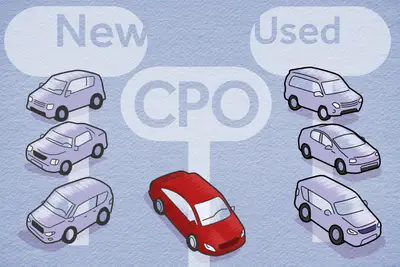
When shopping for an electric vehicle, certified pre-owned (CPO) models offer significant advantages over standard used options. CPO electric cars undergo rigorous multipoint inspections and typically include extended warranty coverage specifically for EV components, including the battery — often the most expensive part to replace.
While CPO vehicles command a price premium (usually 5%-15% higher than comparable used models), they provide peace of mind through manufacturer-backed warranties and reconditioning. This can be especially valuable for EVs where battery health and charging system integrity are critical concerns.
Used EVs may offer lower upfront costs but come with greater uncertainty about battery condition and remaining range capacity. Without specialized diagnostics, it's difficult to assess these vital components.
For most shoppers, the CPO premium is worthwhile for the additional protection and assurance when investing in EV technology.
How much can I expect to pay for a used hybrid or plug-in hybrid car?
When shopping for a used hybrid or plug-in hybrid vehicle, pricing varies significantly based on several factors. Used standard hybrid models like the Toyota Prius, Honda Insight and Hyundai Ioniq hybrid typically range from $15,000-$25,000 for recent model years (2018-22) in good condition.
Plug-in hybrids (PHEVs) generally command higher prices due to their advanced technology. Models like the Toyota Prius Prime, Honda Clarity and Chevrolet Volt typically fall between $20,000-$35,000 for newer used examples.
Premium hybrid and PHEV options from luxury brands like Lexus, BMW and Volvo can range from $30,000-$50,000 on the used market.
Factors affecting pricing include:
- Vehicle age and mileage
- Battery condition
- Features and trim level
- Local market demand
- Fuel prices (which influence hybrid popularity)
Always check battery health when purchasing a used electrified vehicle, as replacement costs are substantial.
Which used hybrid cars are most available for purchase?
Looking for a used hybrid? Toyota dominates the market with the RAV4 Hybrid leading availability in Cars.com’s national listings. The iconic Prius ranks second, followed by the Camry Hybrid, Honda CR-V Hybrid and Honda Accord Hybrid rounding out the top five.
For plug-in hybrids (PHEVs), the Jeep Wrangler 4xe leads, followed by the Chrysler Pacifica Hybrid and Toyota Prius Prime.
Price-conscious shoppers might consider that PHEVs typically remain on the market longer (the Chevrolet Volt averages over 100 days listed), potentially offering better negotiation leverage.
Toyota's hybrid dominance reflects its long-term commitment to the technology, while the growing inventory of used hybrids provides more options for buyers seeking fuel efficiency without the full EV commitment. Popular models also benefit from wider dealer support, better parts availability and stronger owner communities.
Used EVs and hybrids near you
-

$35,387
Used 2026 Toyota Camry 45 mi away
-

$57,317
Used 2025 Ford F-150 24 mi away
-

$26,988
Used 2025 Toyota Camry 9 mi away
-
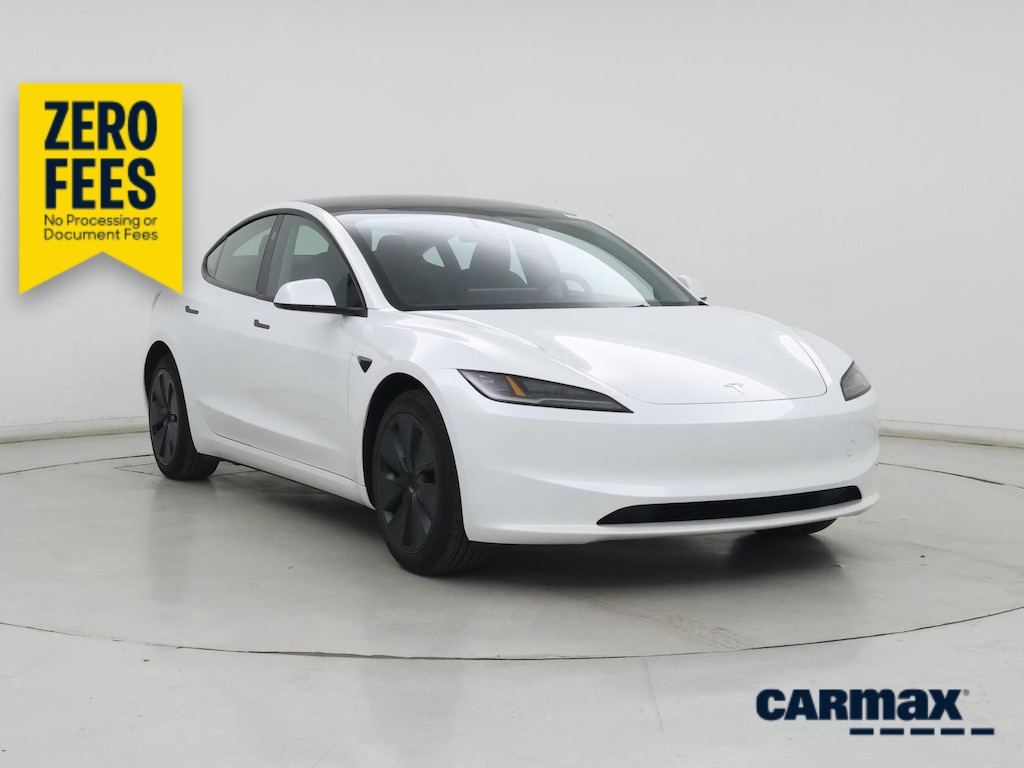
$36,998
Used 2025 Tesla Model 3 12 mi away
-
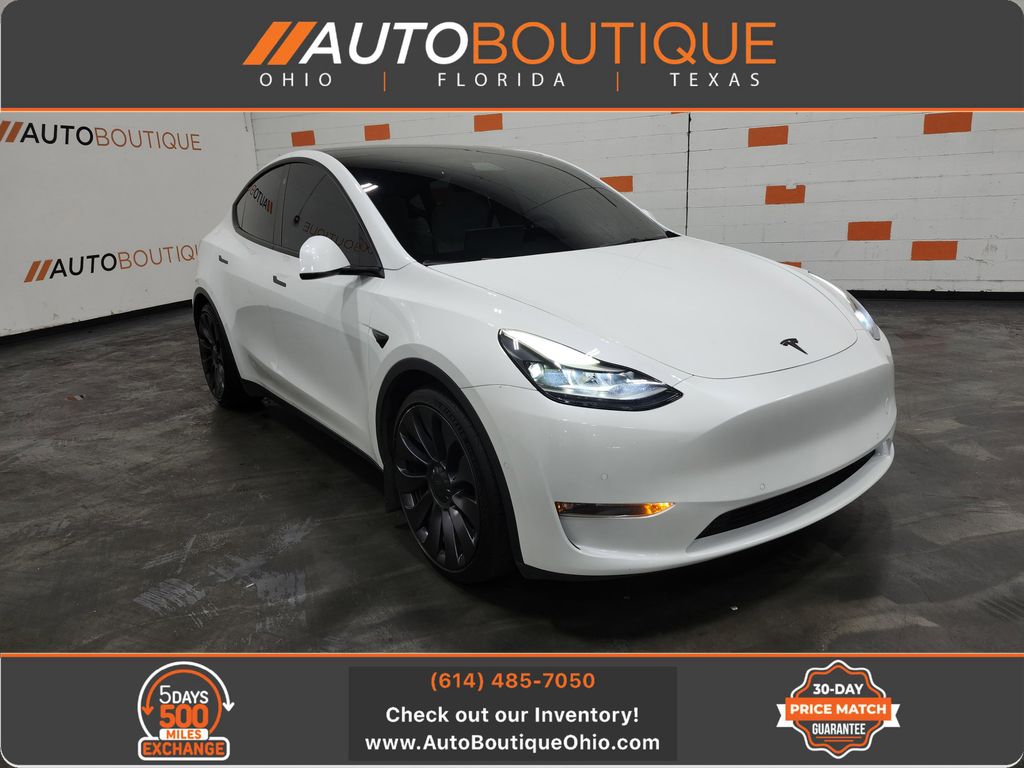
$29,943
Used 2022 Tesla Model Y 7 mi away
-
$33,053
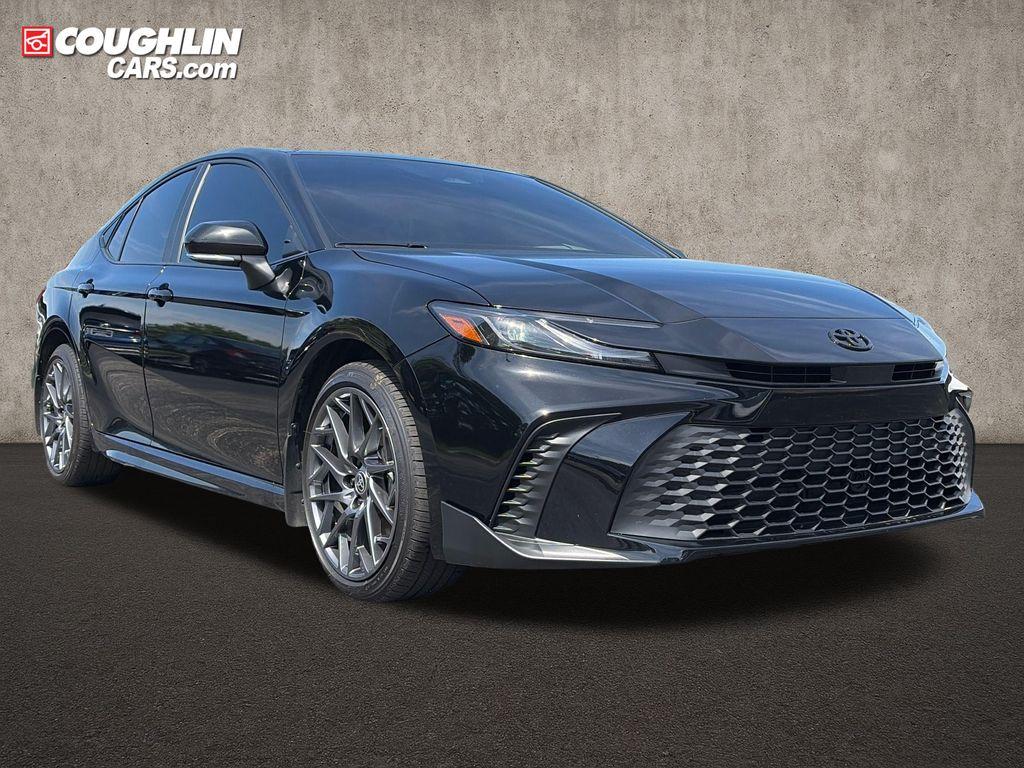
Used 2025 Toyota Camry 19 mi away
-

$64,260
Used 2026 Volvo XC90 13 mi away
-

$46,989
Used 2022 Ford F-150 22 mi away
-

$63,192
Used 2026 Volvo XC90 13 mi away
-

$113,859
Used 2025 Porsche Cayenne 13 mi away
EV and hybrid news
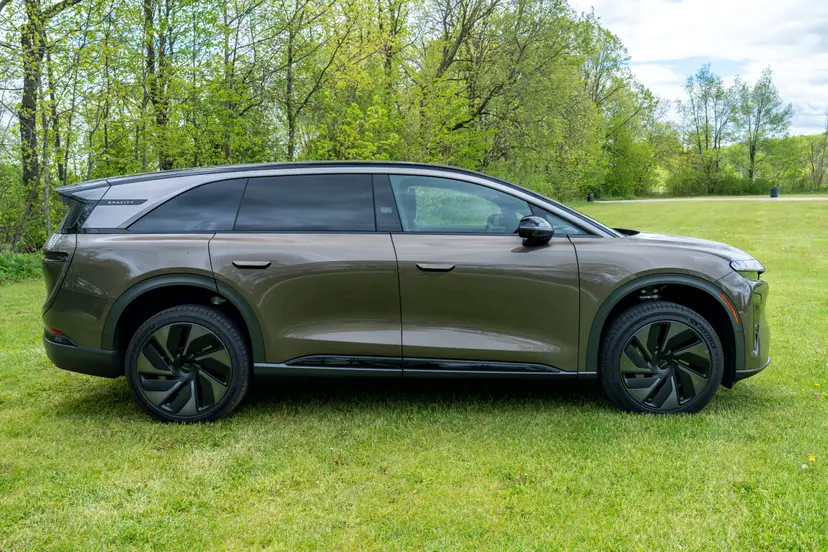
2026 Lucid Gravity: Is the $2,900 Third-Row Seat Worth It?
Here’s Why the New Ferrari And Mercedes-AMG Electric Sedans Are So Controversial
How Much Cargo Space Does the 2026 Subaru Trailseeker Have?
Here Are the 11 Cheapest Electric Vehicles You Can Buy
Electric cars by popular city
- Electric cars in Atlanta, GA
- Electric cars in Chicago, IL
- Electric cars in Columbus, OH
- Electric cars in Dallas, TX
- Electric cars in Denver, CO
- Electric cars in Houston, TX
- Electric cars in Los Angeles, CA
- Electric cars in New York, NY
- Electric cars in Philadelphia, PA
- Electric cars in Phoenix, AZ
- Electric cars in San Diego, CA
- Electric cars in Seattle, WA
Hybrid cars by popular city
- Hybrid cars in Atlanta, GA
- Hybrid cars in Chicago, IL
- Hybrid cars in Columbus, OH
- Hybrid cars in Dallas, TX
- Hybrid cars in Denver, CO
- Hybrid cars in Houston, TX
- Hybrid cars in Los Angeles, CA
- Hybrid cars in New York, NY
- Hybrid cars in Philadelphia, PA
- Hybrid cars in Phoenix, AZ
- Hybrid cars in San Diego, CA
- Hybrid cars in Seattle, WA
Shop electric cars by make
- Lexus electric cars for sale
- Fisker electric cars for sale
- Lucid electric cars for sale
- Nissan electric cars for sale
- Hyundai electric cars for sale
- Jaguar electric cars for sale
- Tesla electric cars for sale
- Honda electric cars for sale
- RAM electric cars for sale
- VinFast electric cars for sale
- Rivian electric cars for sale
- Rolls-Royce electric cars for sale
- Cadillac electric cars for sale
- Genesis electric cars for sale
- Volkswagen electric cars for sale
- Karma electric cars for sale
- FIAT electric cars for sale
- Ford electric cars for sale
- Dodge electric cars for sale
- Acura electric cars for sale
- Audi electric cars for sale
- BMW electric cars for sale
- Chevrolet electric cars for sale
- GMC electric cars for sale
- Jeep electric cars for sale
- Kia electric cars for sale
- Mercedes-Benz electric cars for sale
- MINI electric cars for sale
- Polestar electric cars for sale
- Porsche electric cars for sale
- Subaru electric cars for sale
- Toyota electric cars for sale
- Volvo electric cars for sale
Shop hybrid cars by make
- Lexus hybrid cars for sale
- McLaren hybrid cars for sale
- Nissan hybrid cars for sale
- Hyundai hybrid cars for sale
- Land Rover hybrid cars for sale
- Chrysler hybrid cars for sale
- Honda hybrid cars for sale
- INFINITI hybrid cars for sale
- Lincoln hybrid cars for sale
- Mitsubishi hybrid cars for sale
- RAM hybrid cars for sale
- Bentley hybrid cars for sale
- Ferrari hybrid cars for sale
- Ford hybrid cars for sale
- Dodge hybrid cars for sale
- Acura hybrid cars for sale
- Alfa Romeo hybrid cars for sale
- Audi hybrid cars for sale
- BMW hybrid cars for sale
- Chevrolet hybrid cars for sale
- Jeep hybrid cars for sale
- Kia hybrid cars for sale
- Lamborghini hybrid cars for sale
- Mazda hybrid cars for sale
- Mercedes-Benz hybrid cars for sale
- Porsche hybrid cars for sale
- Subaru hybrid cars for sale
- Toyota hybrid cars for sale
- Volvo hybrid cars for sale