




2026 Starts With Fewer Sales but Faster Sells


- New cars are spending four fewer days on the lot in January compared to last year.
- The average new-car price is $49,575, while the average used-car price is up to $29,099.
- Inventory of new cars is down almost 5% in January, while the used supply is in line.
2026 kicked off with a weaker consumer economic outlook following a year of modest auto sales growth. The ripple effects of last year’s tariffs and the sunsetting of the federal electric-vehicle tax credit are still making their way through the automotive industry at large, as well as what consumers are seeing on sales lots.

The New-Used Shift
Transitioning to the 2026 model year has led prices to drift slightly higher in what has been a relatively stable market. Car sales decreased slightly from this same time last year, but the pace of sales has picked up, as new vehicles spend four fewer days on dealer lots on average. Furthermore, the decline in new-car sales may actually indicate a group of consumers who have shifted their focus to the typically more wallet-friendly used market.
An increase in demand would account for the uptick in the average used-car price, which remains just above $29,000, with no real change in supply or pace of sales. Similar to the new-car market, the used-car market also saw an increase in the momentum of sales, but it was slight enough that it was likely due to the used-car supply having fewer hard-to-sell models sitting on dealer lots for extremely long sales cycles.

The Lease Life Cycle
Automakers have met the challenge of matching their vehicle production to predicted shopper appetite as consumer needs adjusted and economic conditions continued to change. Notably, Ford and GM inventories have both dropped 20% and 13%, respectively, in the last year — and that excludes EVs. Compounding the issue, increased demand for used cars has driven up prices on an already limited supply, which could limit consumers’ choices based on both preference and price, except for one light on the horizon: lease returns.
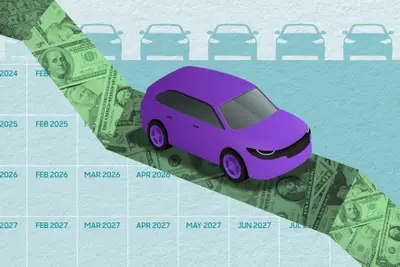
Take a step back in time: Three years ago, the auto industry was emerging from a semiconductor shortage, the trickle-down effects of which have contributed to the currently limited used-car supply. Now, as sales and supply have spent the intervening years recovering, lease-return vehicles will enter the market, providing a boost to used inventory. Typically 3 years old, lease returns contribute a pool of low-mileage used options for budget-conscious consumers.
2026 Monthly Industry Insights Report
Explore the full report to go deeper on 2025 consumer demand, market supply, pricing, affordability and more for your corner of the market.