




Electrification Interrupted: As EV Incentives Sunset, Hybrids Emerge as the Smart Middle Ground for 2026


- New EV inventory dropped 33% at the end of 2025
- Over half of EV owners and lessees said the tax credit was a factor in their decision to go electric
- New hybrid inventory increased 25%, while used hybrid inventory rose 31.5%
For years, federal policy has played a significant role in the advancement of electric vehicle manufacturing and adoption, so the expiration of the federal EV tax credit at the end of September 2025 was, predictably, a catalyst for change in EV momentum for the auto industry and consumers. In the first half of 2025, a Cars.com survey found that more than 50% of EV shoppers cited the tax credit as a key part of their buying decision. With affordability already a key concern for both car buyers specifically and Americans generally, the EV tax credit expiration brings new opportunities to the hybrid and used EV markets.

A Policy Short Circuit in the Electric Market
For more than a decade, consumer demand for EVs has risen steadily (if slowly) as manufacturers have expanded offerings and infrastructure has improved. But affordability was always a sticking point for those considering making the jump to electric. Federal EV tax credits provided some cost mitigation, but with those credits’ expiration, the new EV market is taking a noticeable hit. Following modest growth in the first three quarters of the year, inventory declined sharply by 33% YoY in Q4 as automakers cut EV production in anticipation of a consumer pullback. Even still, new EVs sat on the lot an average of 91 days – a five-year-high.
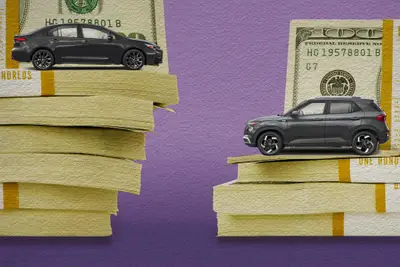
As the new-EV market recalibrates, the used-EV market presents plenty of opportunity for EV-curious and EV-positive consumers. For 2025, the average used-EV price sat $29k below the price of a new model, making used EVs an affordable – and attractive – option, especially considering that much of the inventory is only a few years old, thanks in part to a market that began expanding rapidly in 2022. Shoppers took notice and took advantage, with used EVs moving off the lot 25% faster in 2025.

Meet the New Normal: Hybrids
Hybrids entered the market 25 years ago, and now the bestselling car (Toyota Camry) is hybrid-only for the 2025 model year. Leading the hybrid charge are fan-favorite models such as the Ford F-150, Toyota RAV4 and Honda CR-V, all hybrid optional. Nearly every automaker has made hybrids a key part of their vehicle lineup, a pivot made in response to EV policy shifts. The supply can’t grow fast enough, with new inventory up 25% and selling on average two days faster in 2025.
Used-hybrid inventory is also up, 32% in the last year, and is selling an average of three days faster in 2025. It’s closely following the new-market trend lines. Pricing is up 6%, but that’s a reflection of the shifting mix of available hybrid inventory since most models individually didn’t see a price increase.