








What Car Shoppers Need to Know
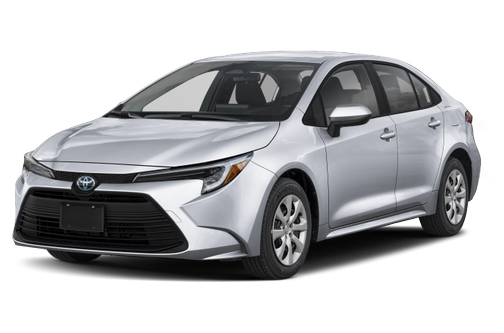
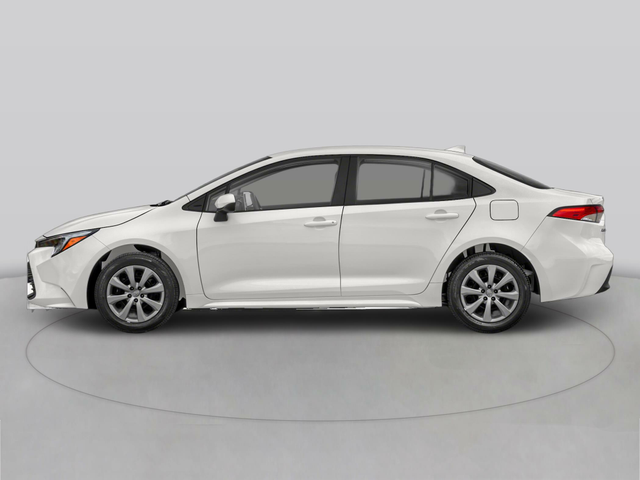
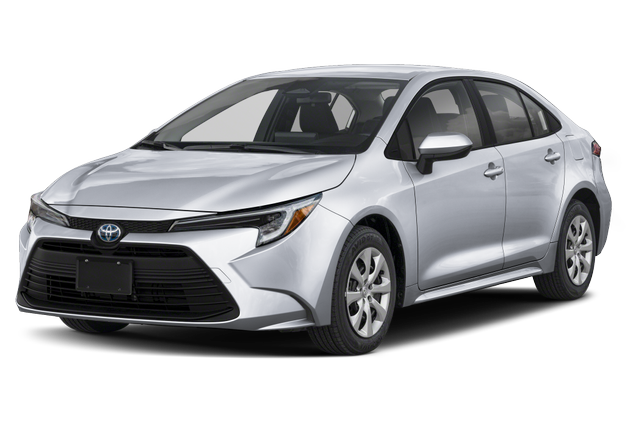
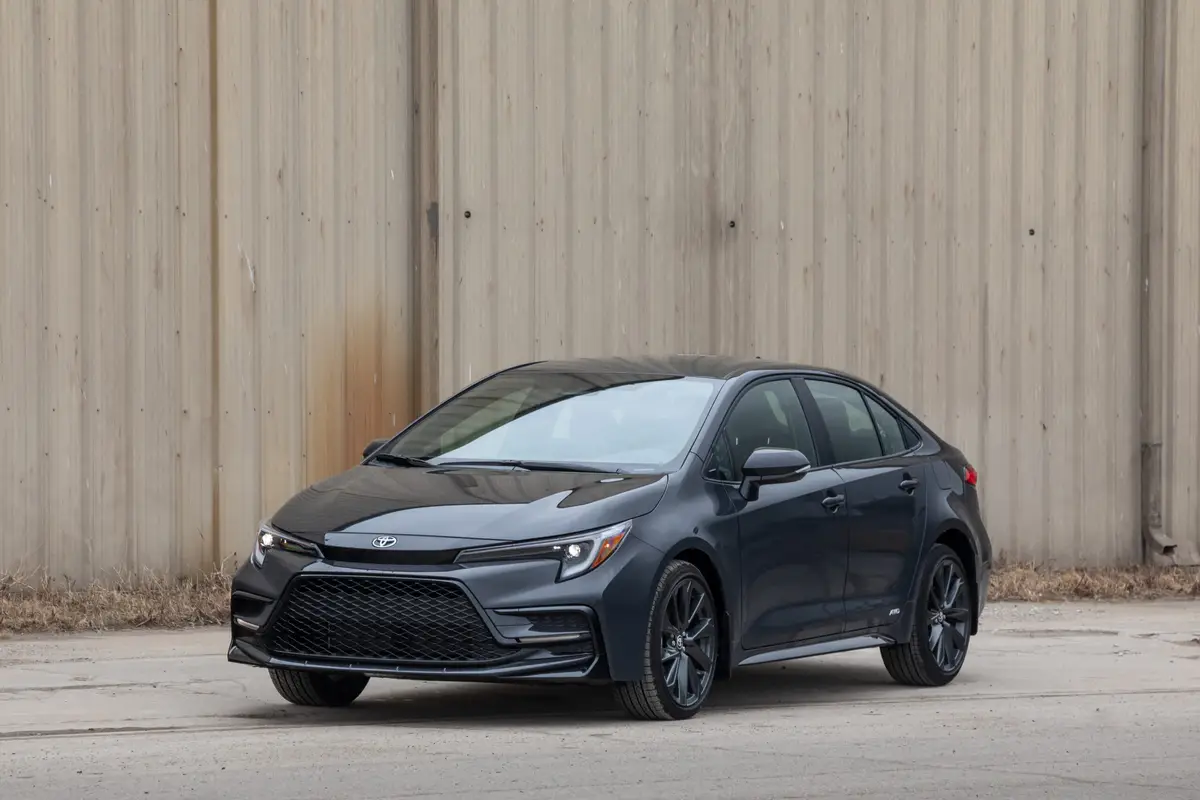
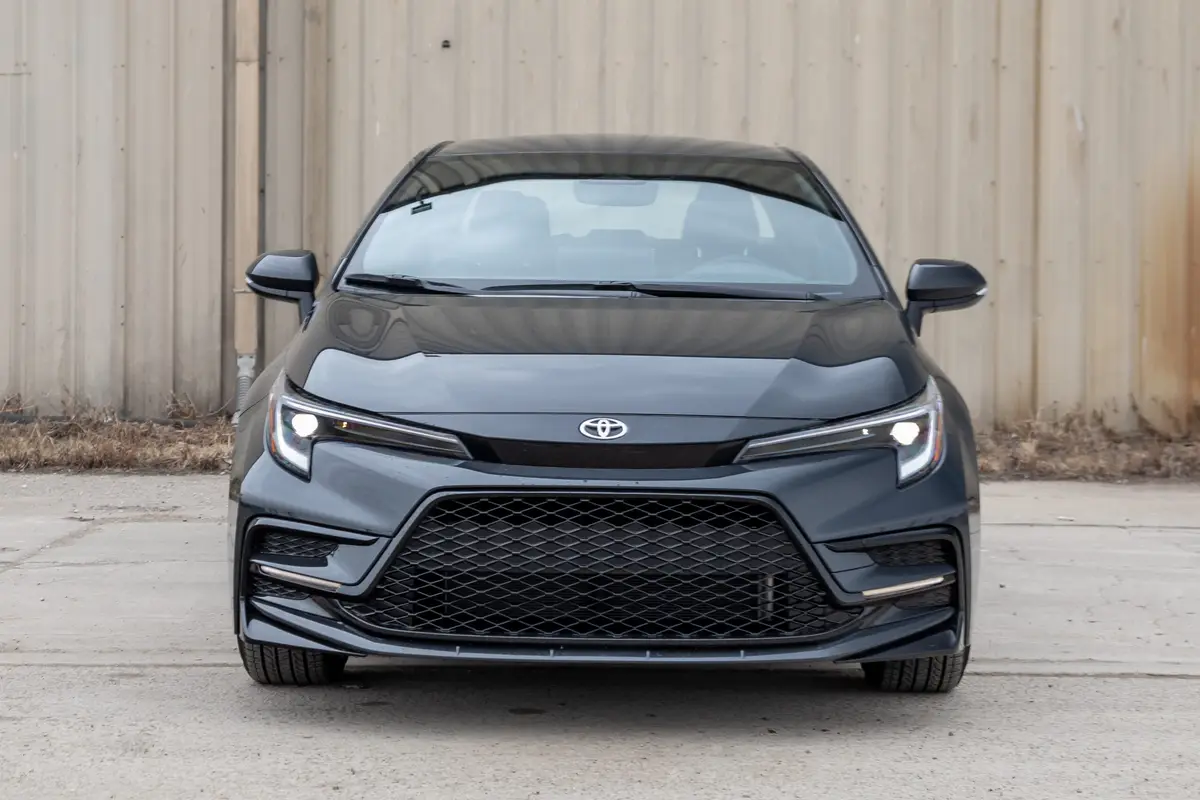
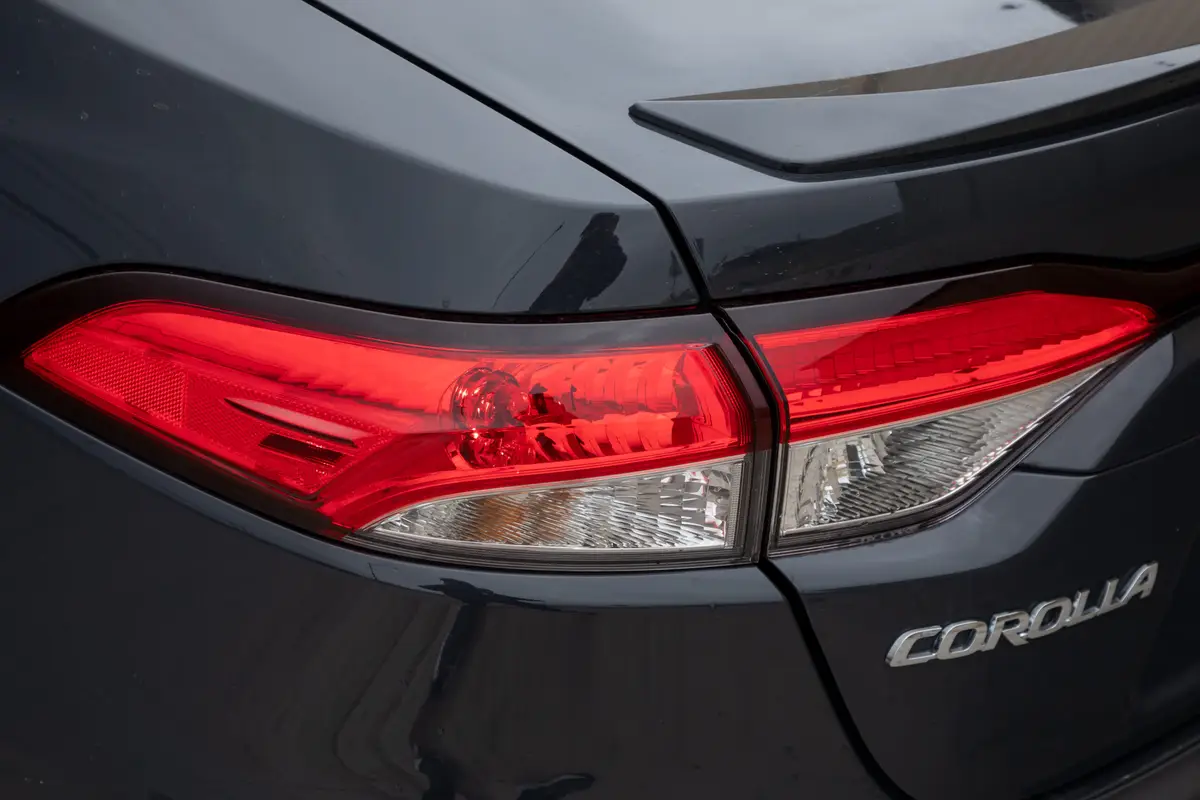
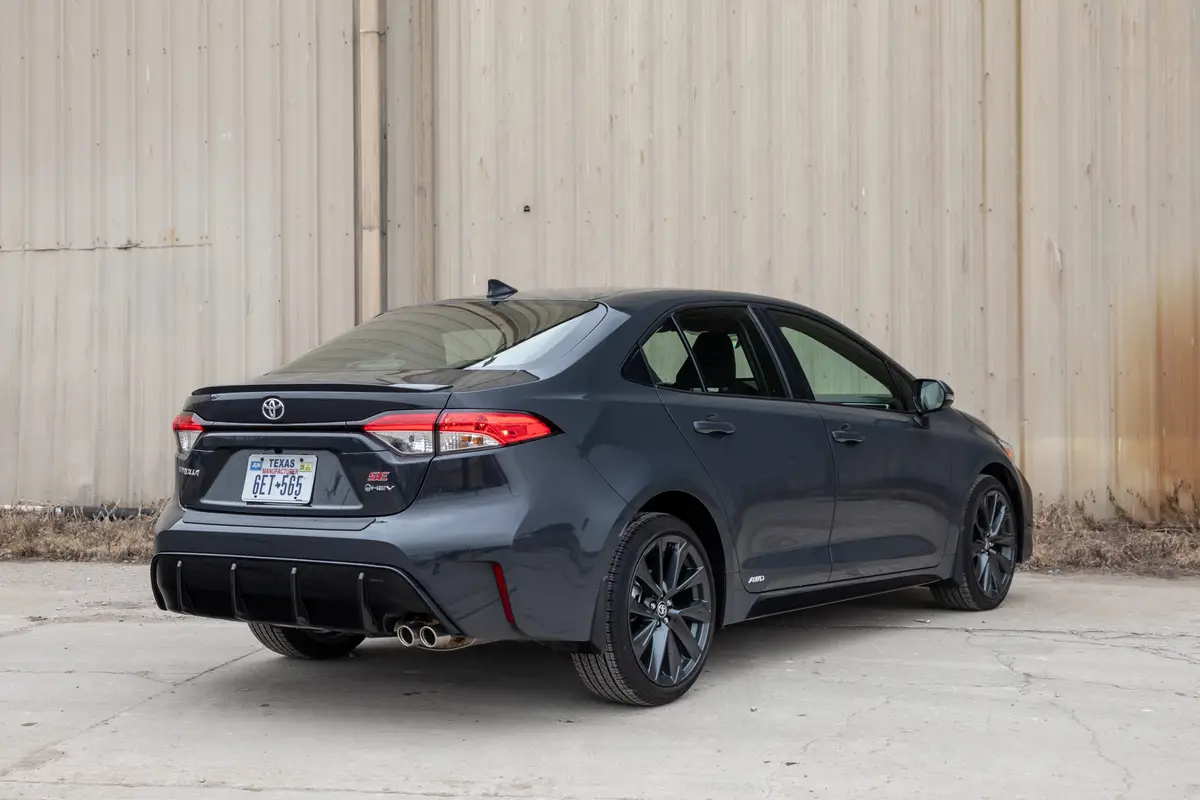
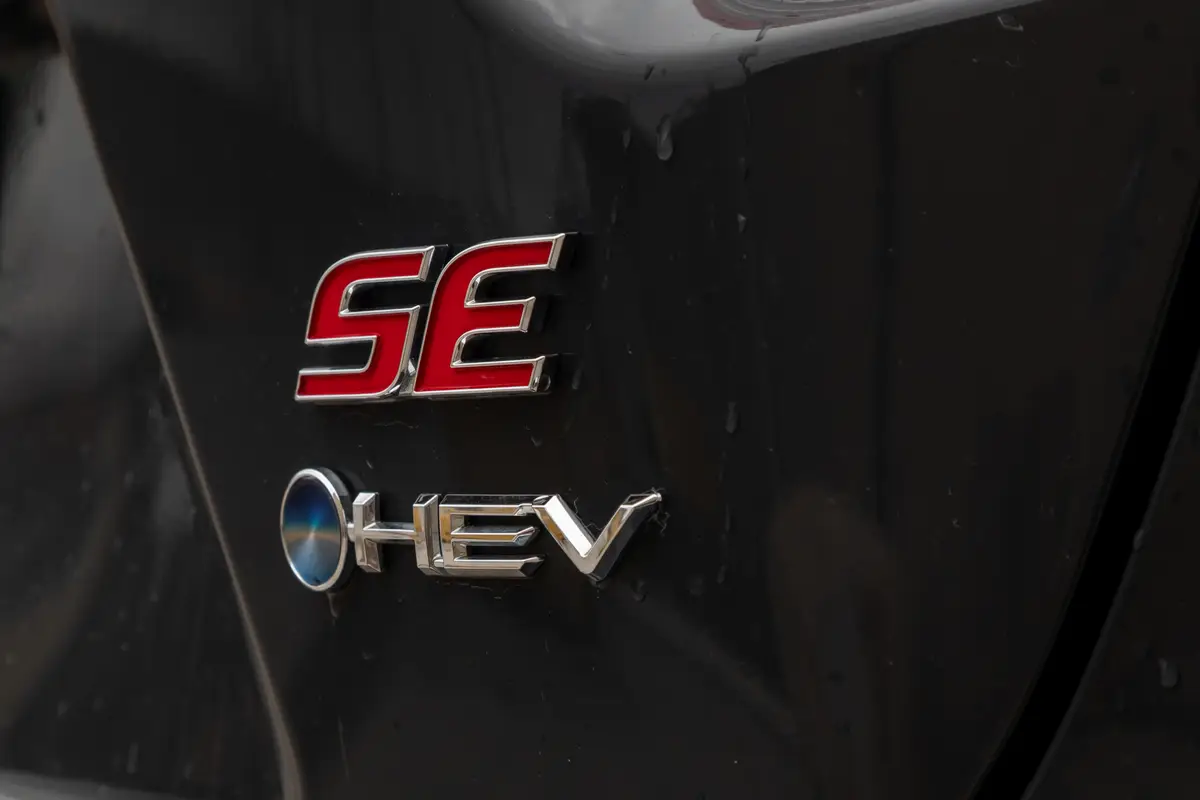
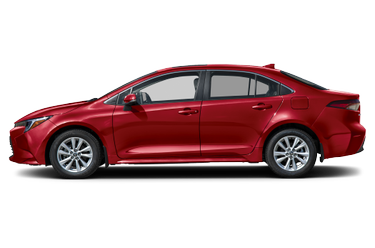
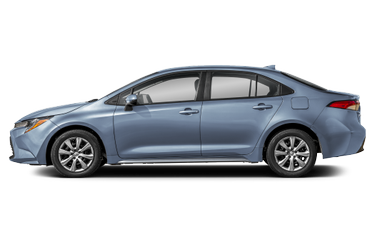
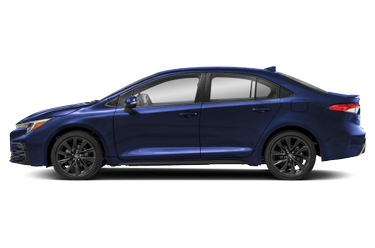
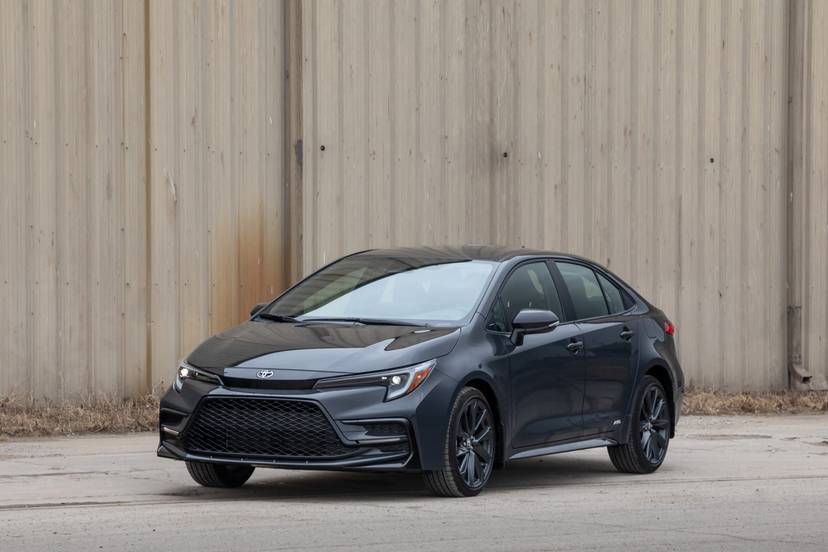
- The 2026 Toyota Corolla Hybrid sedan offers a winning blend of fuel efficiency and value.
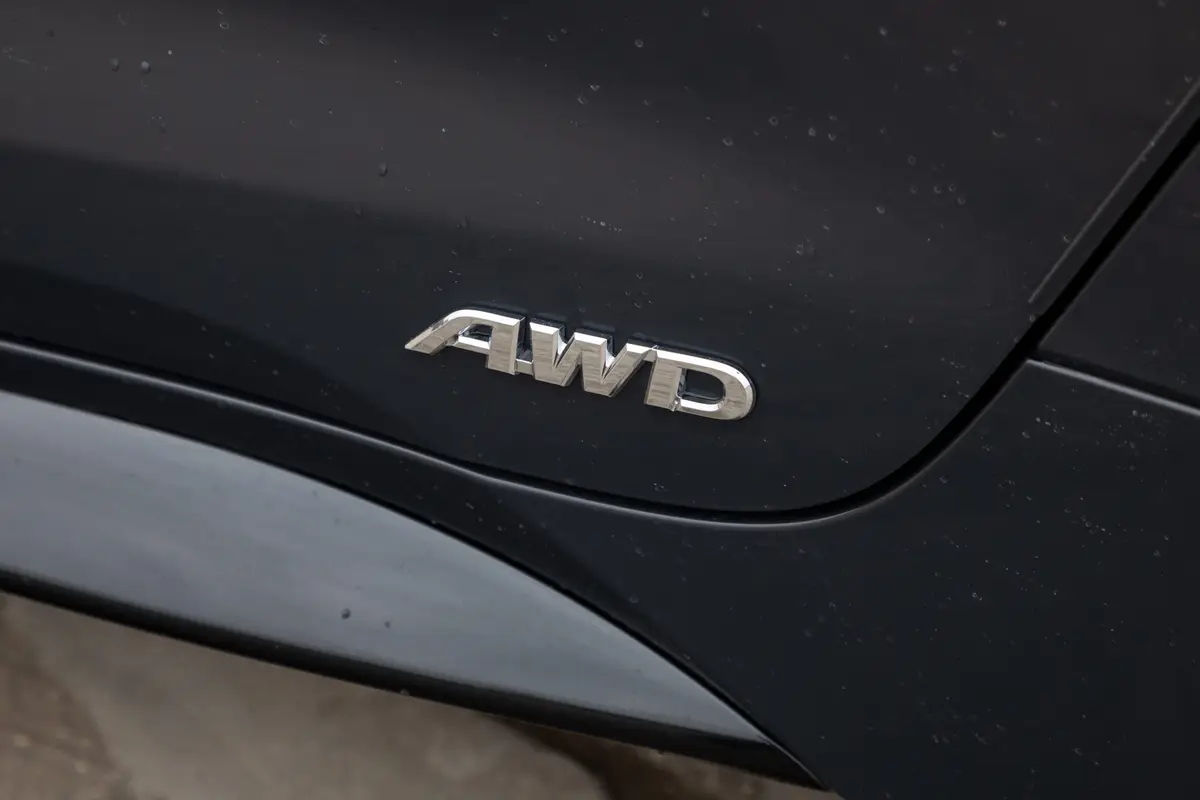
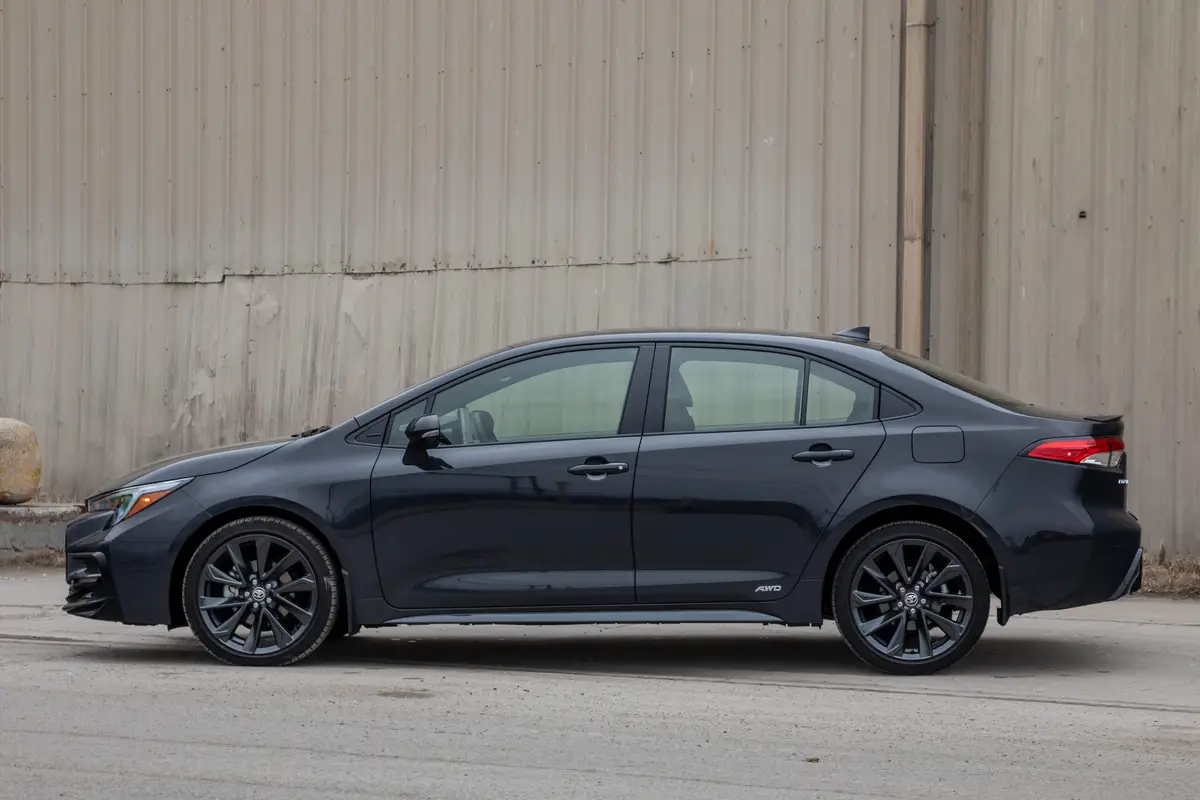
- It’s the only compact hybrid sedan to offer all-wheel drive.
- While fuel economy and price are two big pros, cons include unnatural-feeling brakes, a small backseat, and a lack of volume and tuning knobs on the uplevel infotainment system.
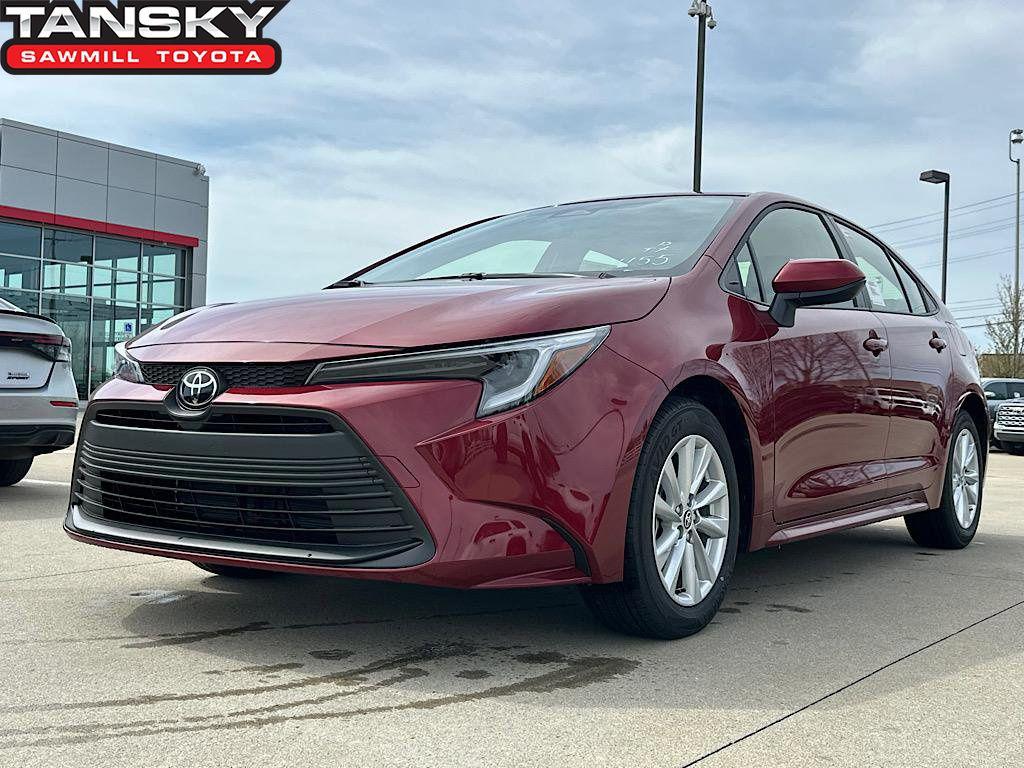
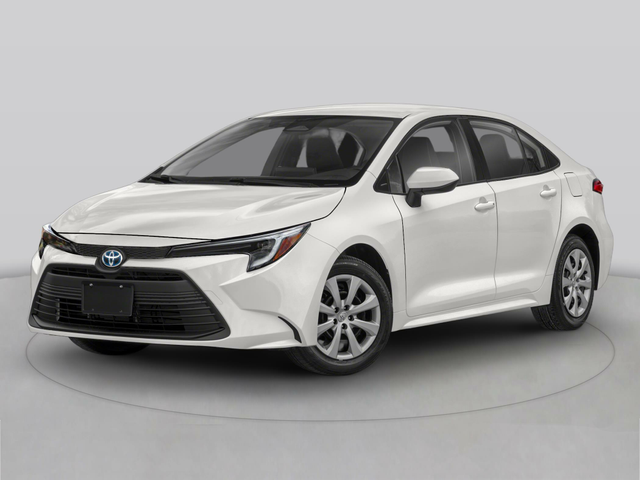
The average price of a new car these days is around $50,000, but shoppers can get an excellent new hybrid sedan for much less in the 2026 Toyota Corolla Hybrid, voted one of Cars.com’s best new cars for $30,000 or less.
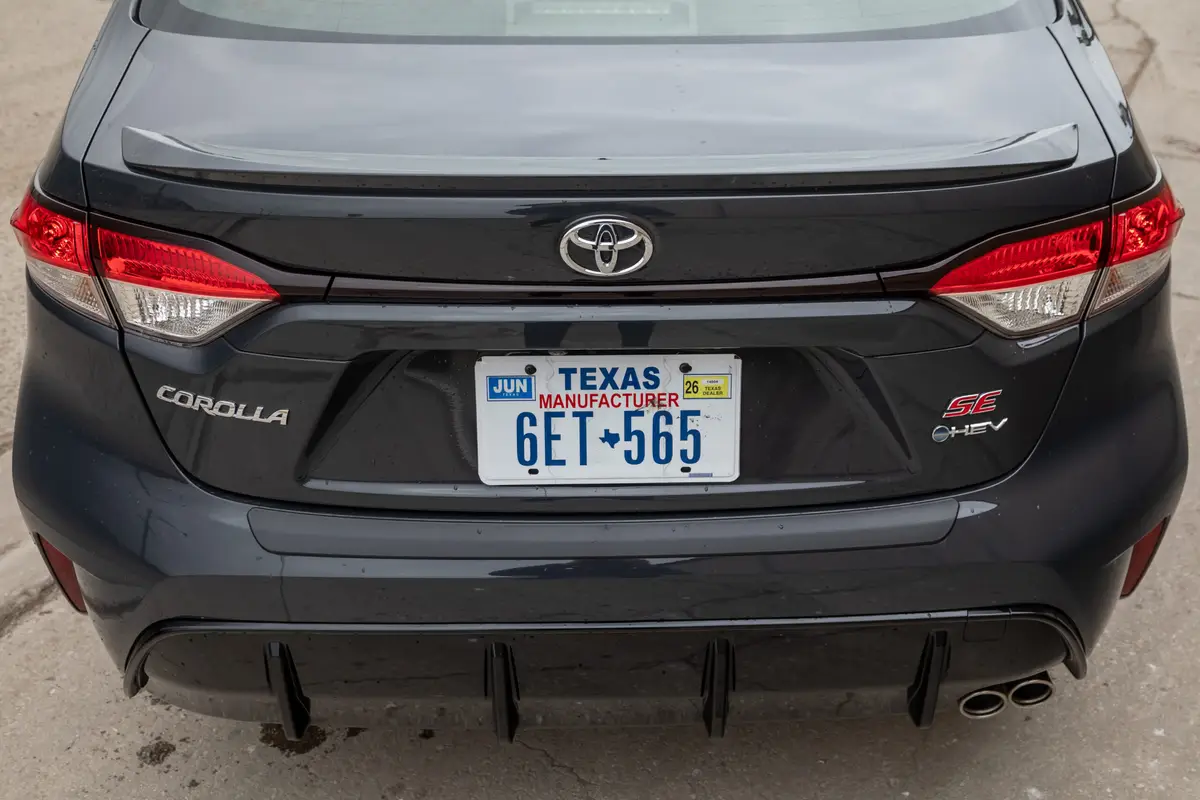
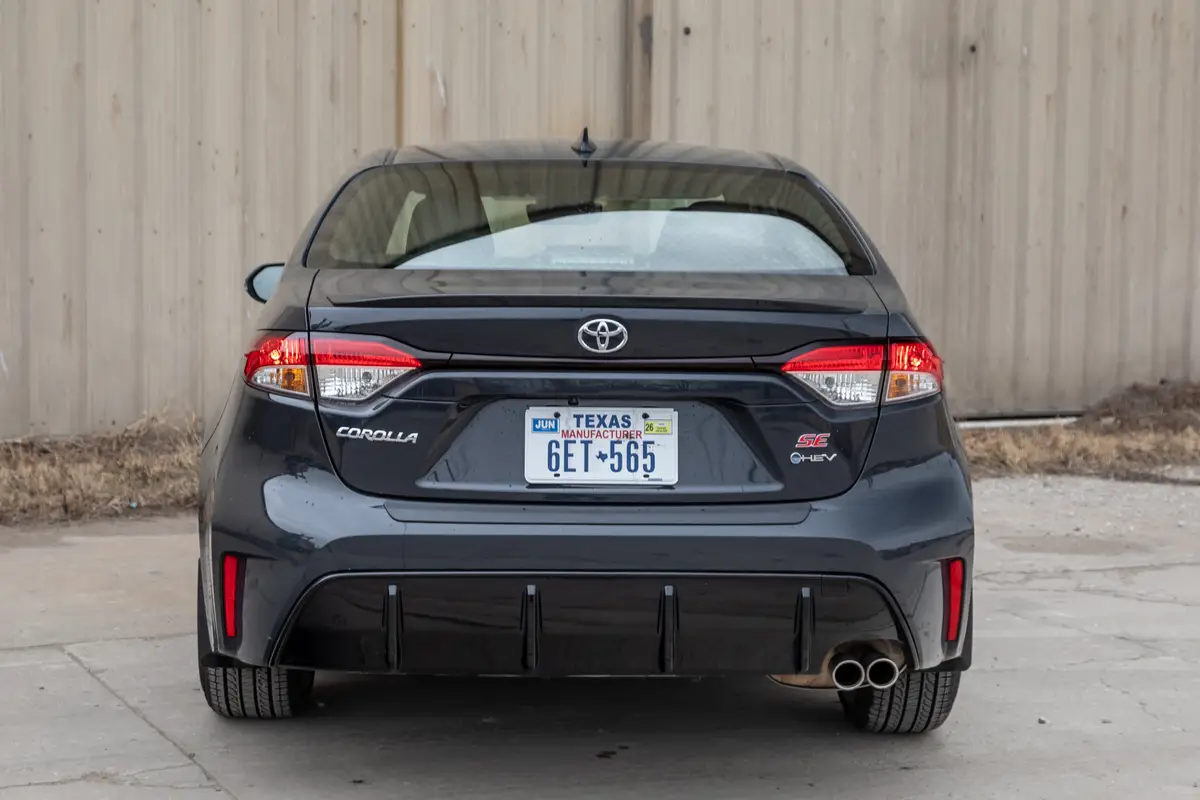
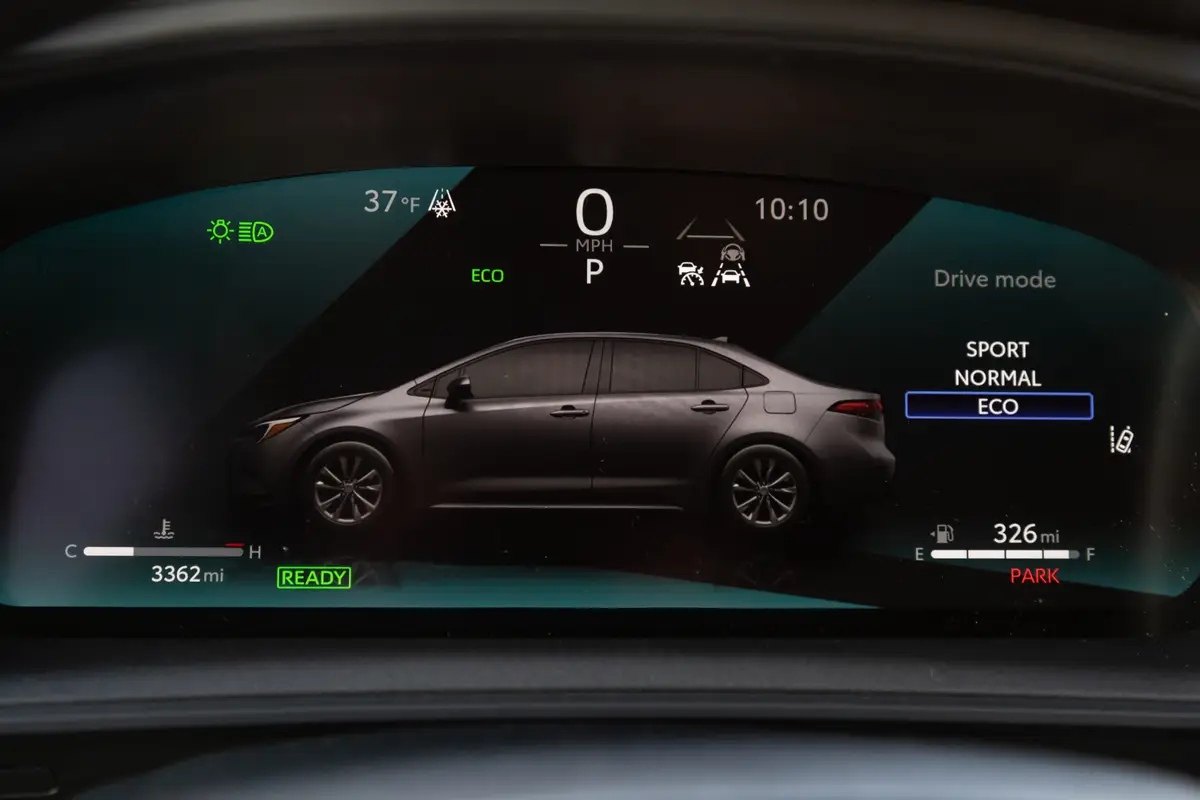
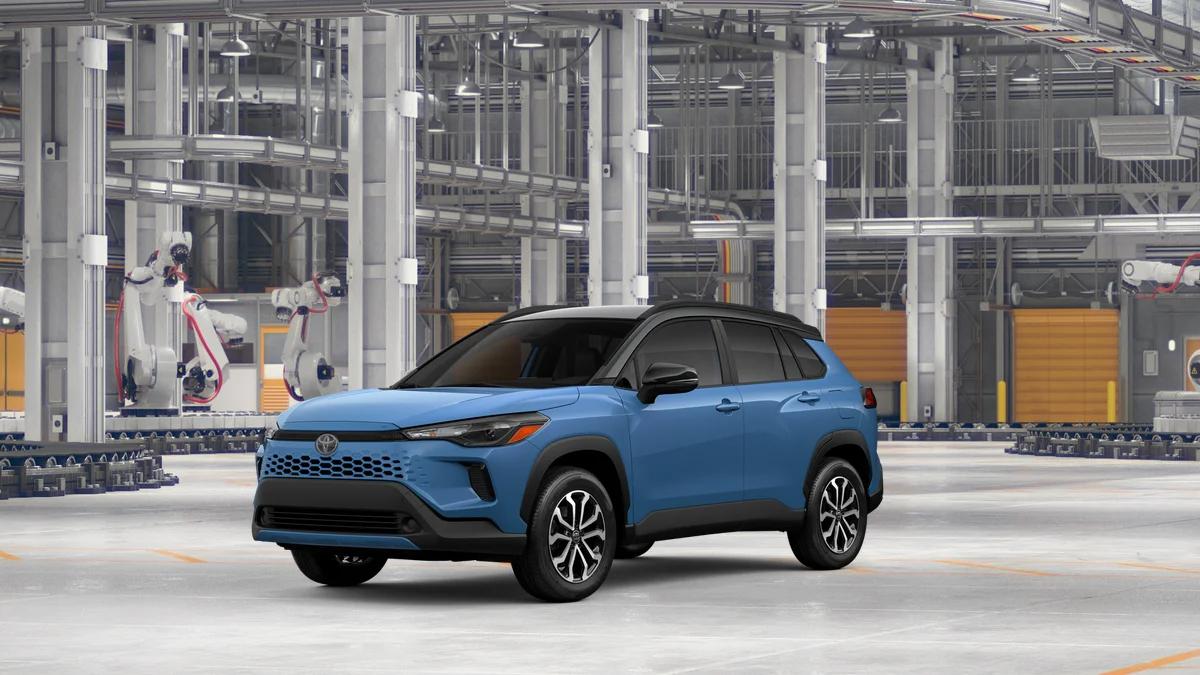
The 2026 Corolla is available as a sedan or hatchback with a gas or hybrid powertrain; this review covers the hybrid sedan. For 2026, it got more standard safety features across all trims, and the top XLE trim got a new 12.3-inch digital instrument cluster.
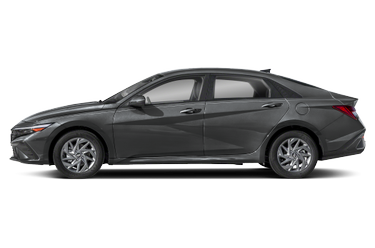
The Corolla Hybrid competes against the Honda Civic hybrid and Hyundai Elantra Hybrid. It’s more affordable than both of those models and is the second-most efficient, after the Elantra. The Corolla is also the only one of those three cars with available AWD. See the models compared.
Related: How Much Is the 2026 Toyota Corolla?
Ordinary Road Manners, Extraordinary MPG
If you’re looking for driving excitement, keep moving; there’s nothing to see here. The Corolla Hybrid delivers pleasant but forgettable road manners. It’s quick enough from a stop and has enough power to pass competently, but it never feels peppy or dynamic. Its ride is well damped, and it maneuvers confidently in small spaces. The sedan’s regenerative brakes will take some getting used to, with their spongey feel and non-linear action, but it’s a short learning curve.
If fuel economy excites you, though, buckle up. This is where the Corolla Hybrid does exceptionally well: It’s among the most efficient hybrids on the market, earning an EPA-estimated 50 mpg combined, or 48 mpg with AWD. Base versions of the Honda Civic hybrid are rated 49 mpg combined, and the Elantra Hybrid is rated up to 54 mpg combined.
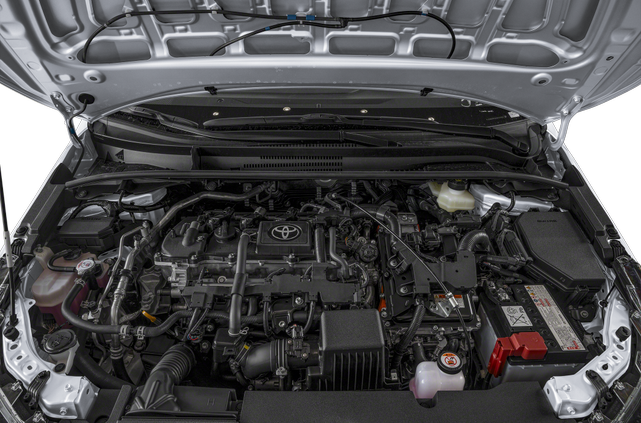
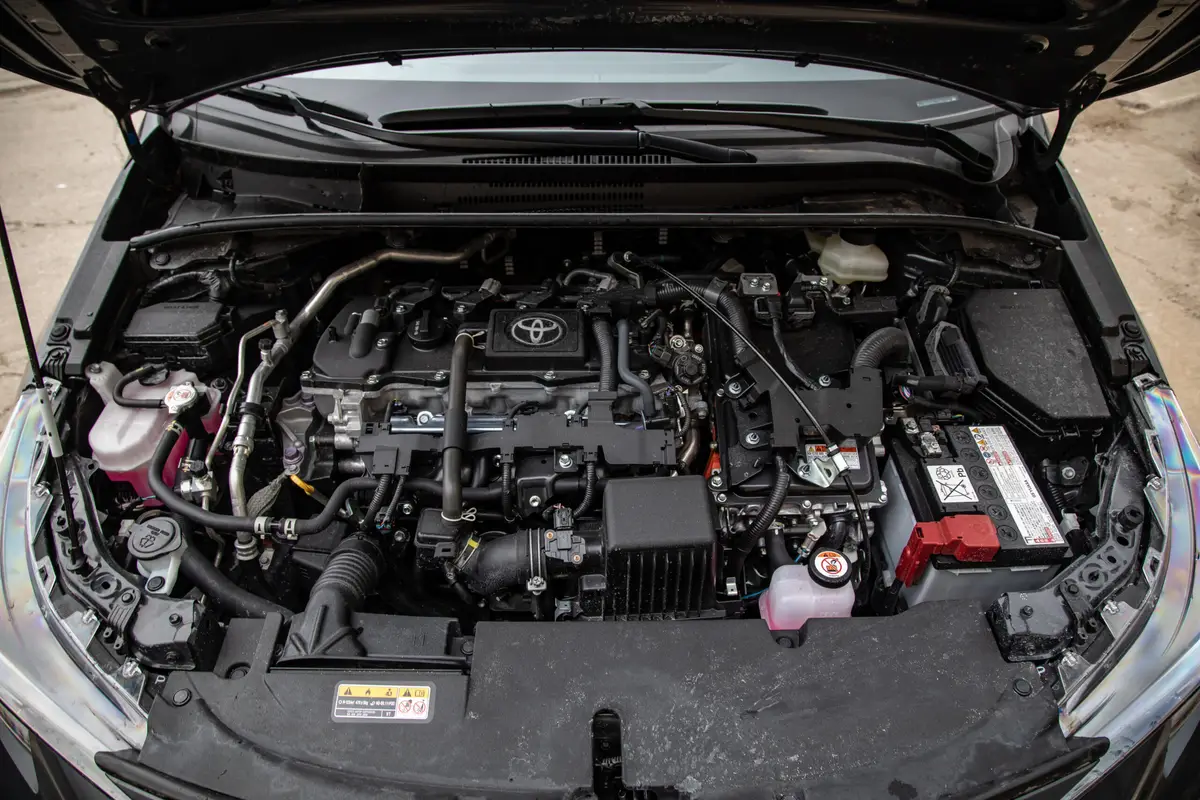
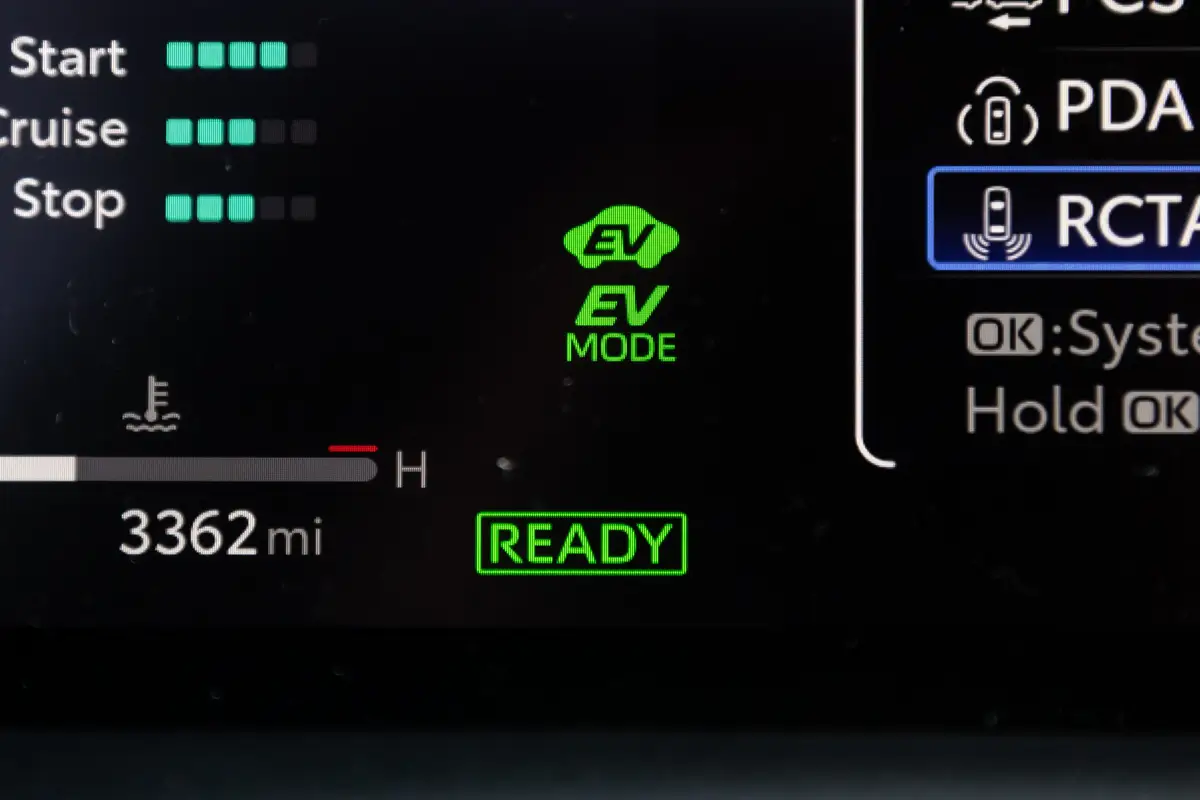
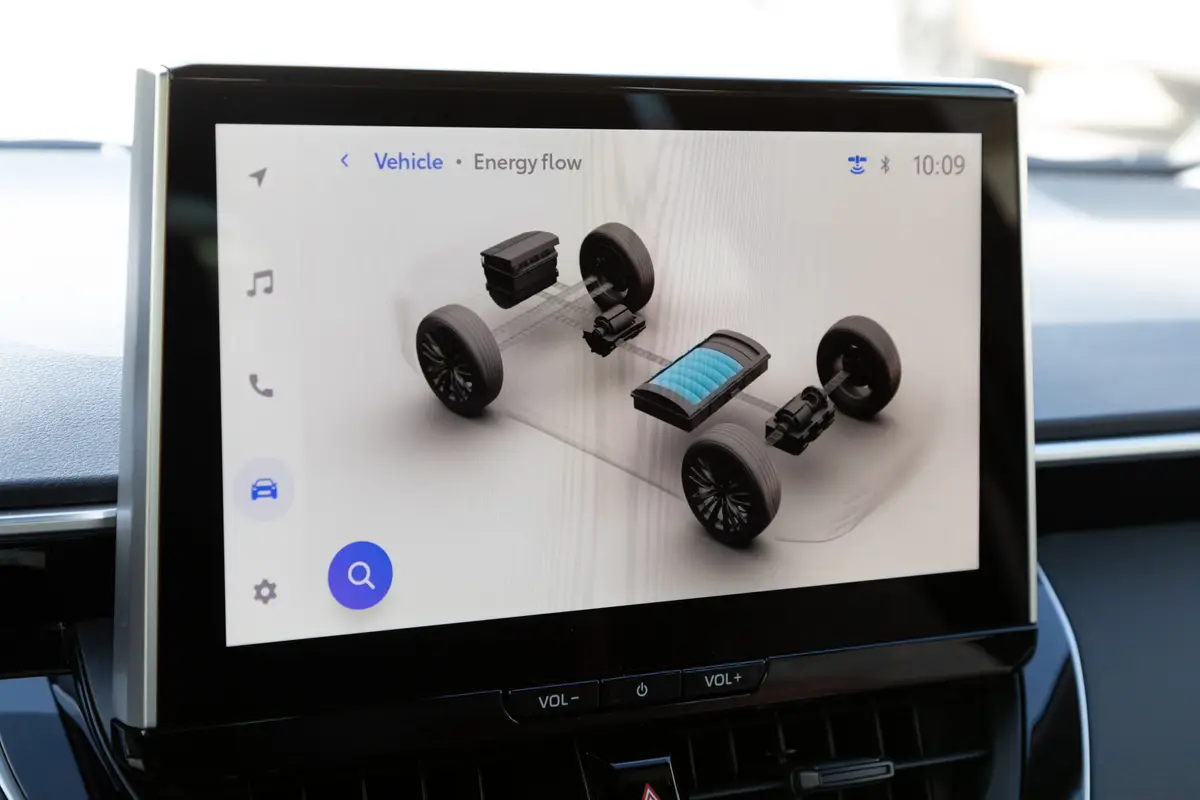
All Corolla Hybrids use a 1.8-liter four-cylinder gas engine paired with an electric motor, for a total output of 138 horsepower. Front-wheel drive is standard, and available AWD adds an electric motor to drive the rear wheels. There’s also a button to engage EV mode for all-electric driving, but temper your expectations. It only works at very low speeds and for very short distances — think a small parking lot.
No Frills Inside, But Lots of Features
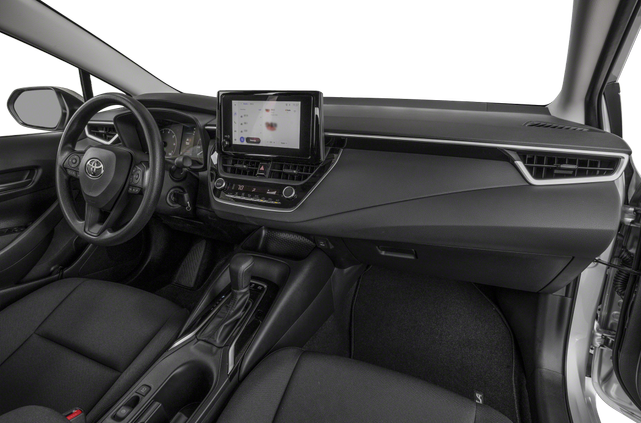
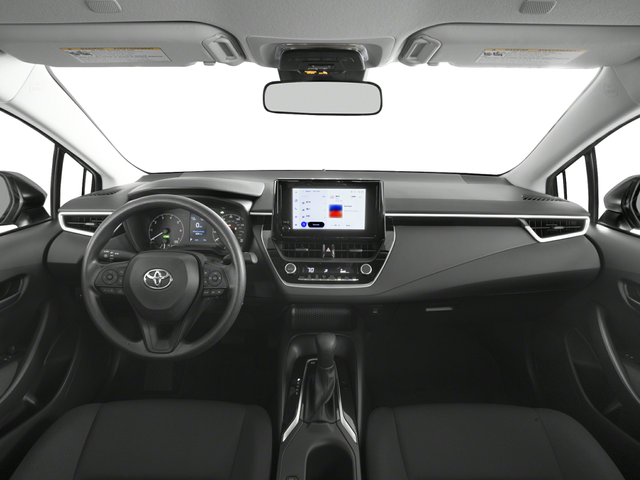
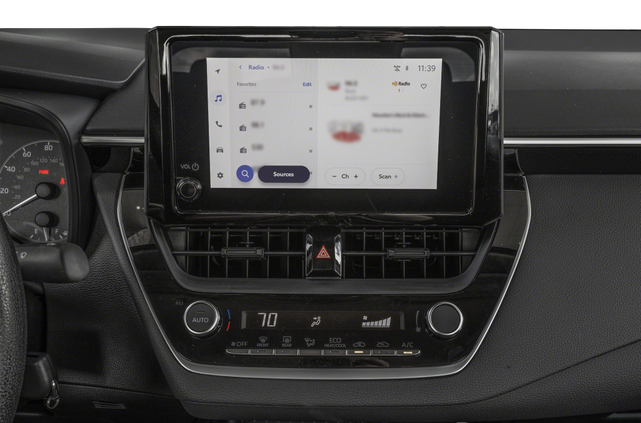
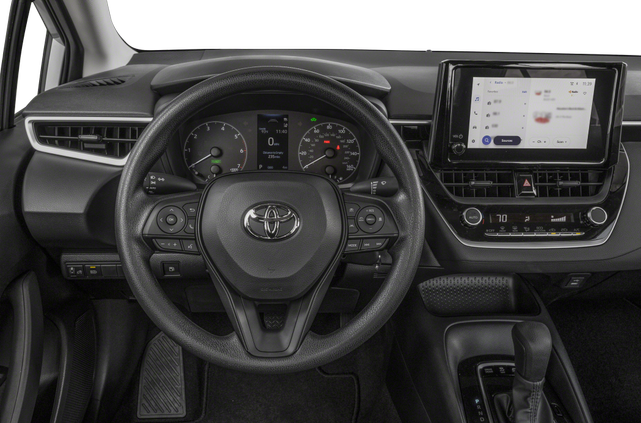
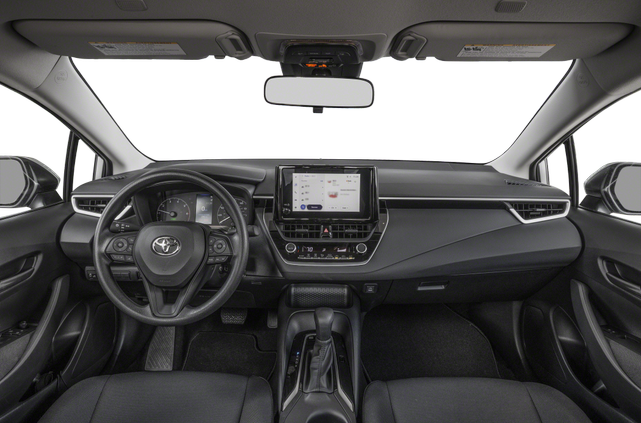
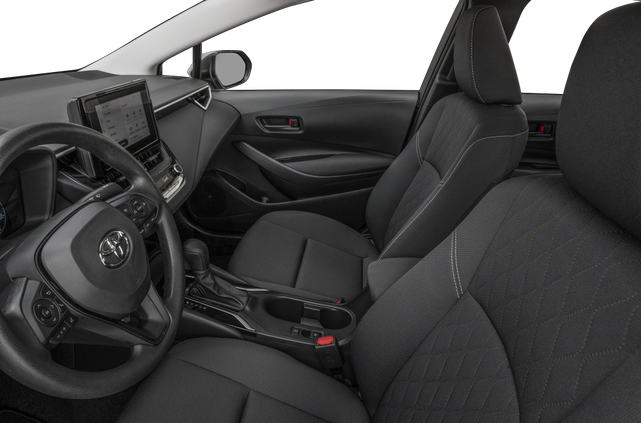
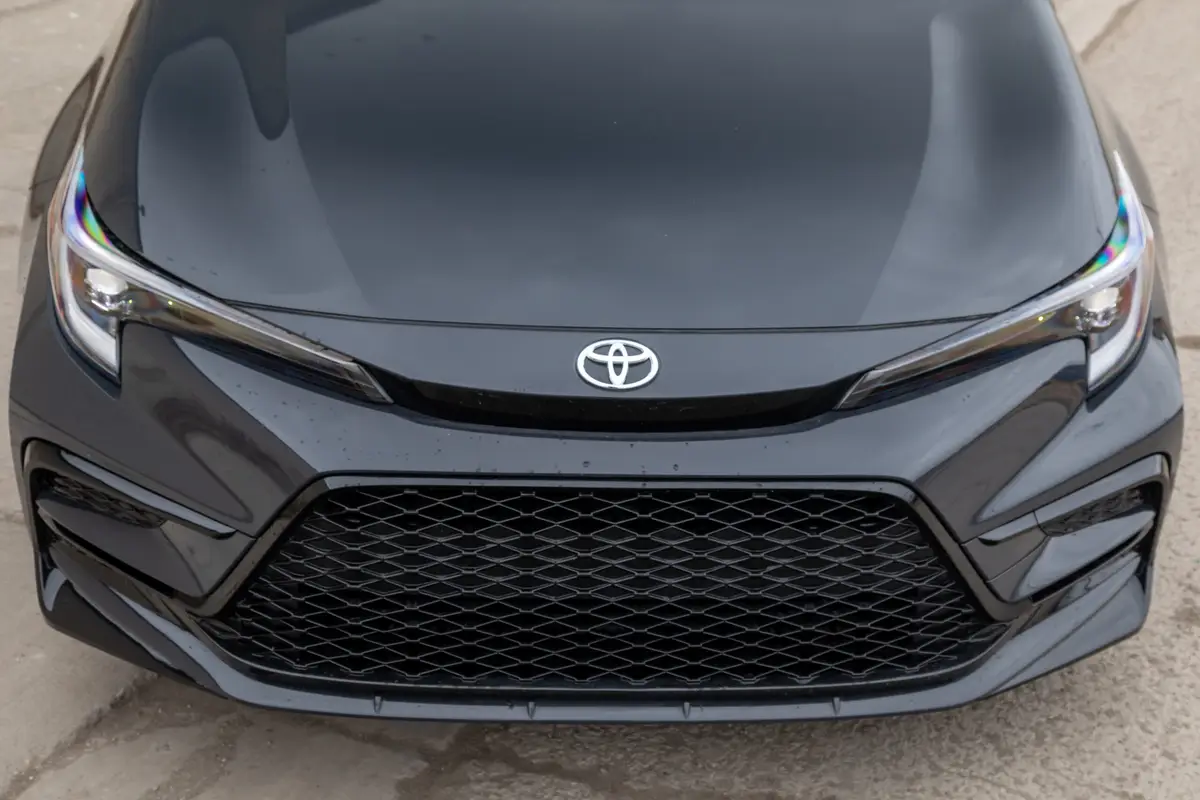
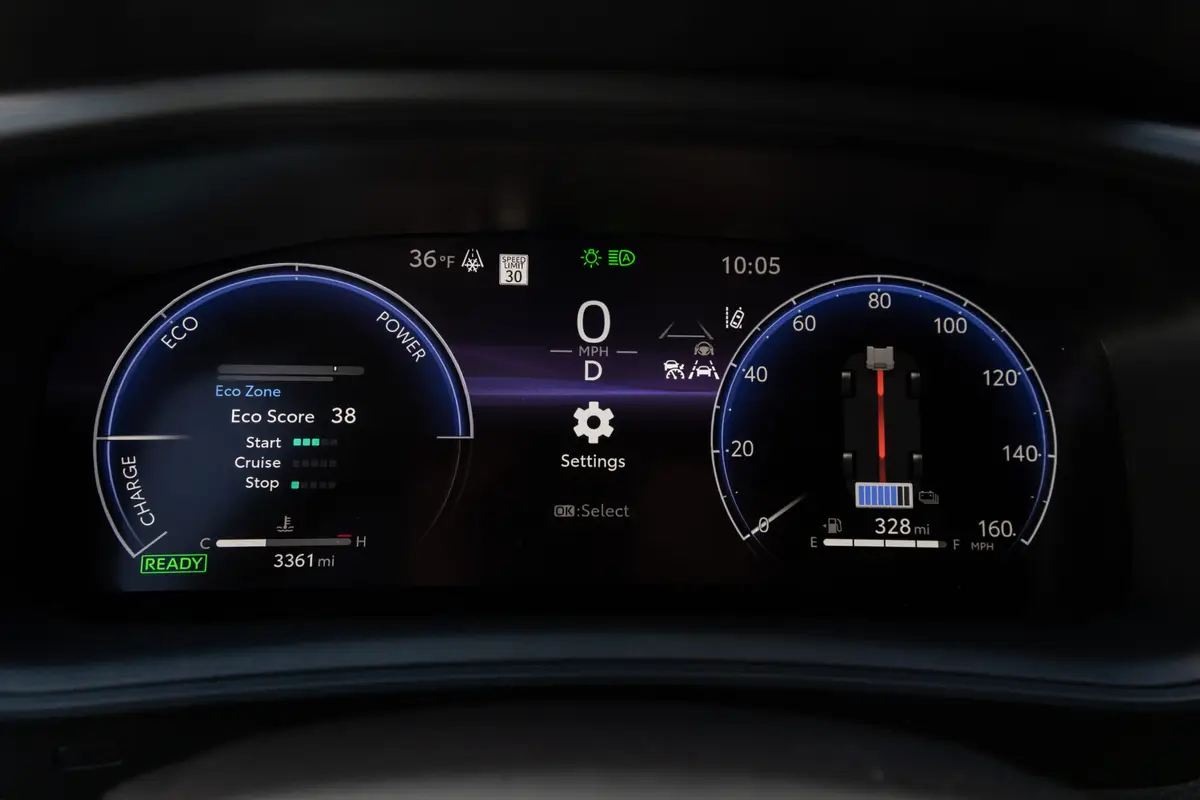
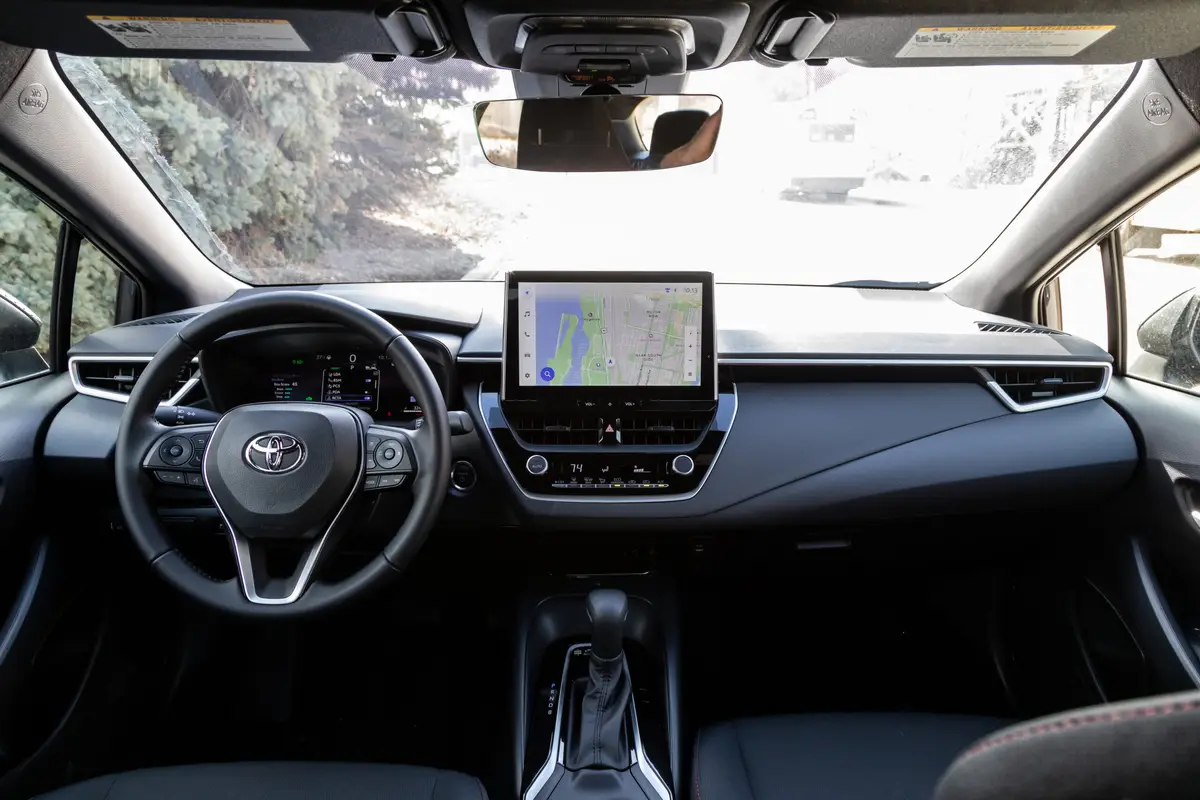
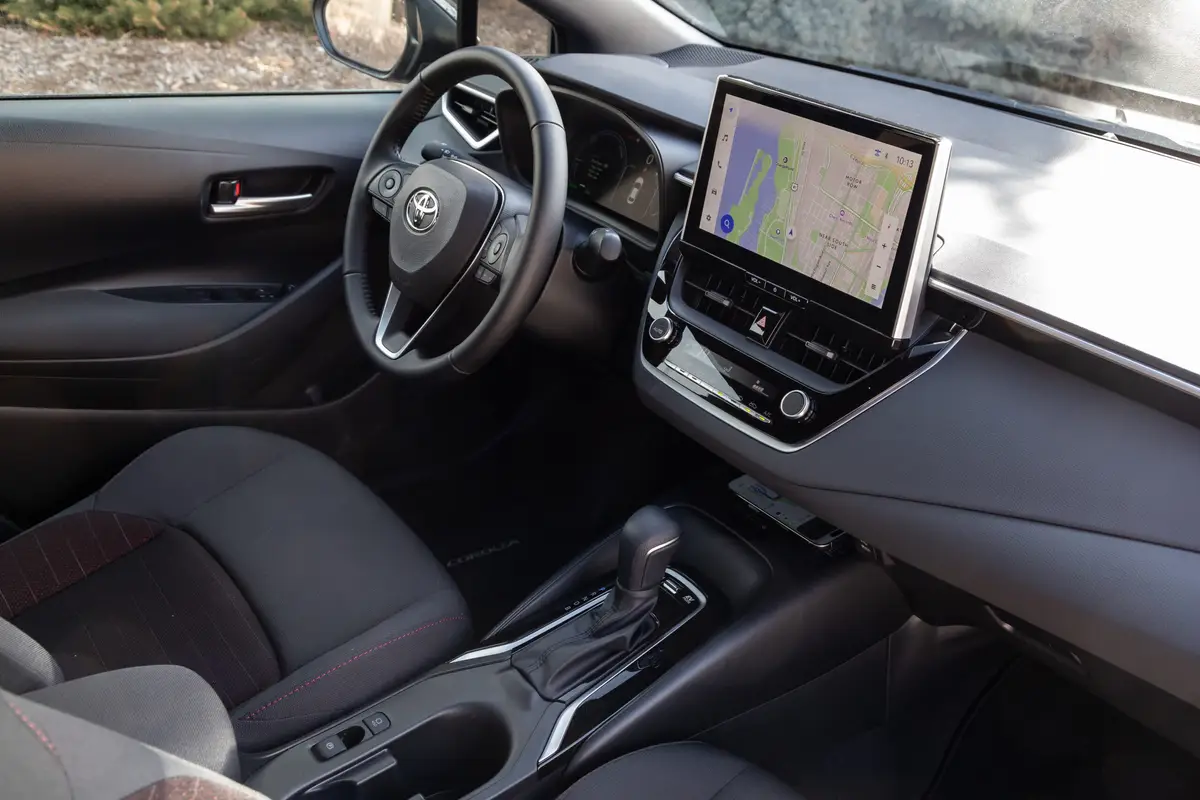
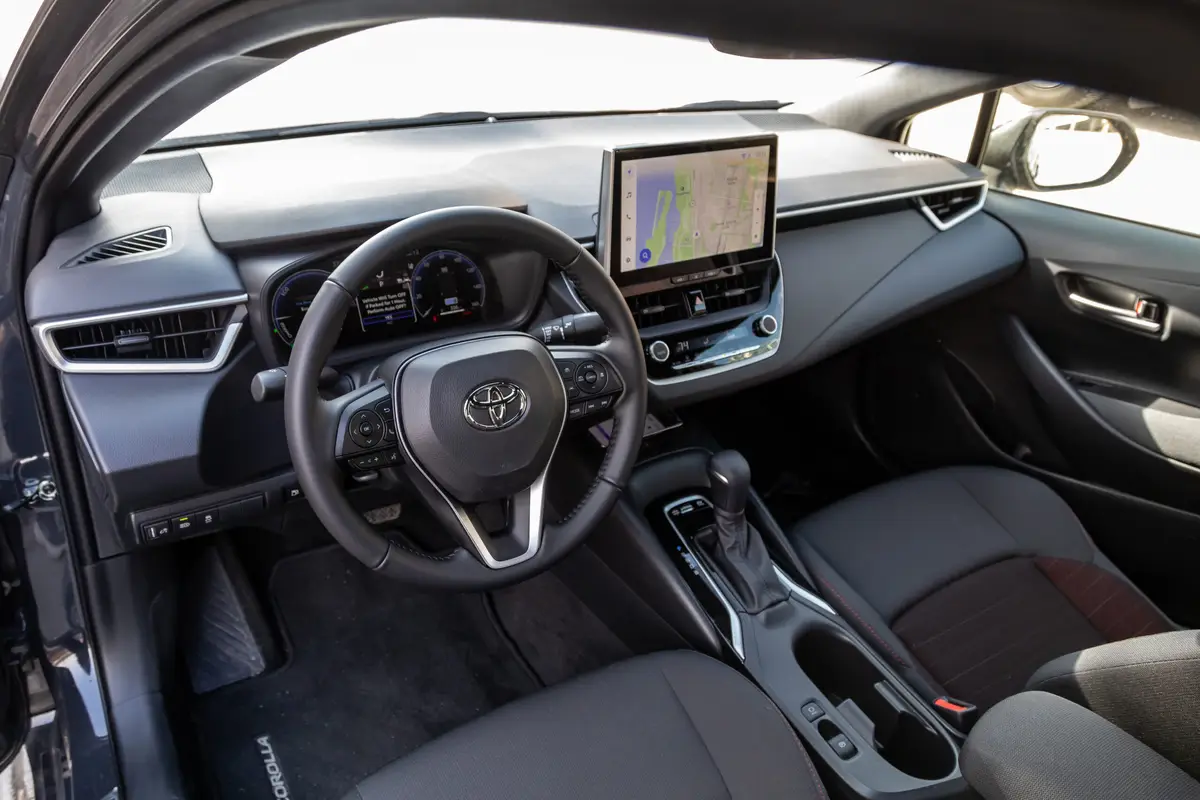
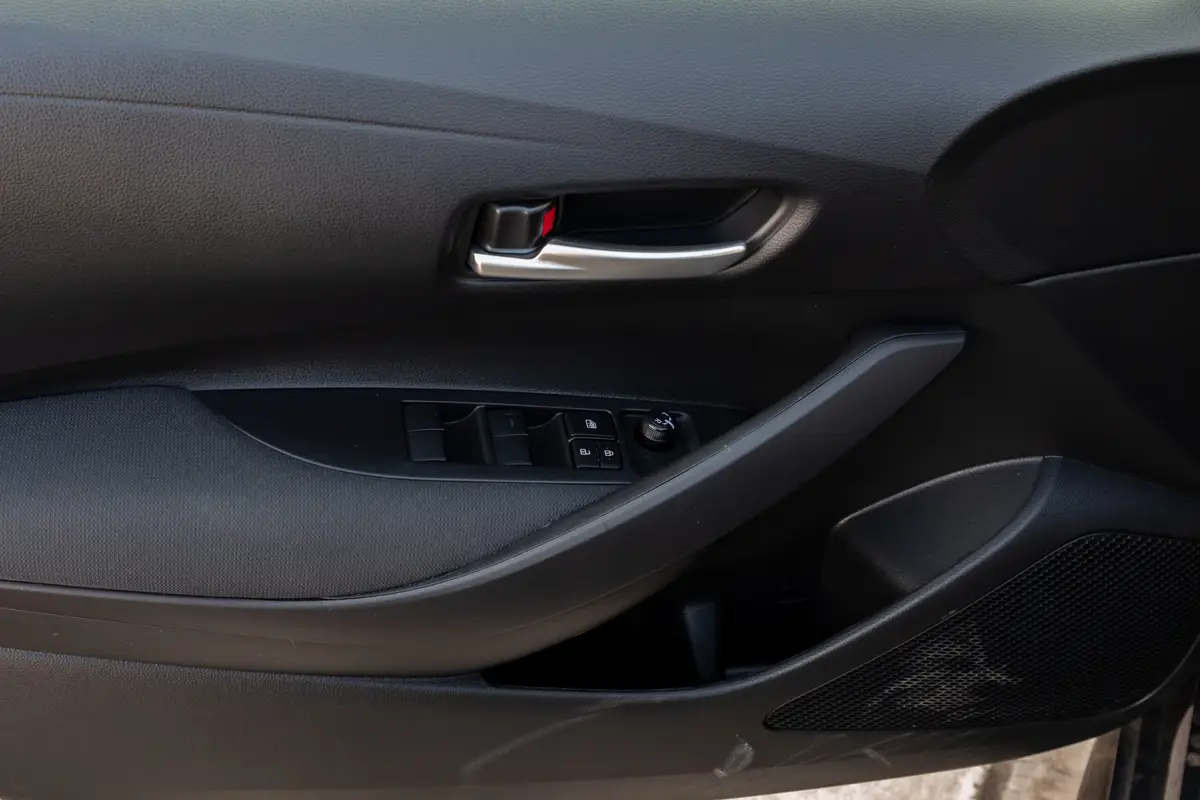
The Corolla Hybrid’s cabin design and materials look and feel budget-conscious, with a boring design and lots of hard-plastic panels and trim, but this car is loaded with useful features. The base LE trim level has numerous standard convenience goodies, such as an 8-inch touchscreen multimedia system with wireless Apple CarPlay and Android Auto, a 7-inch digital gauge cluster and a Wi-Fi hot spot with a trial data subscription.
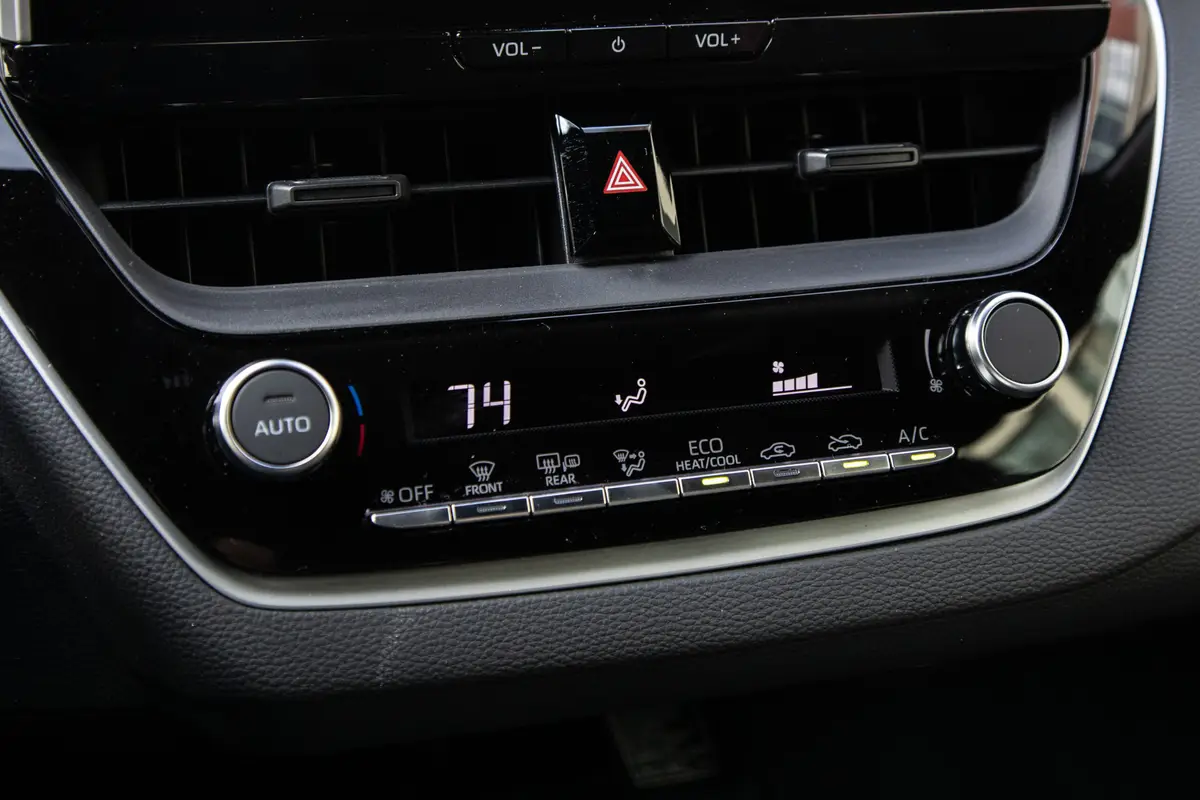
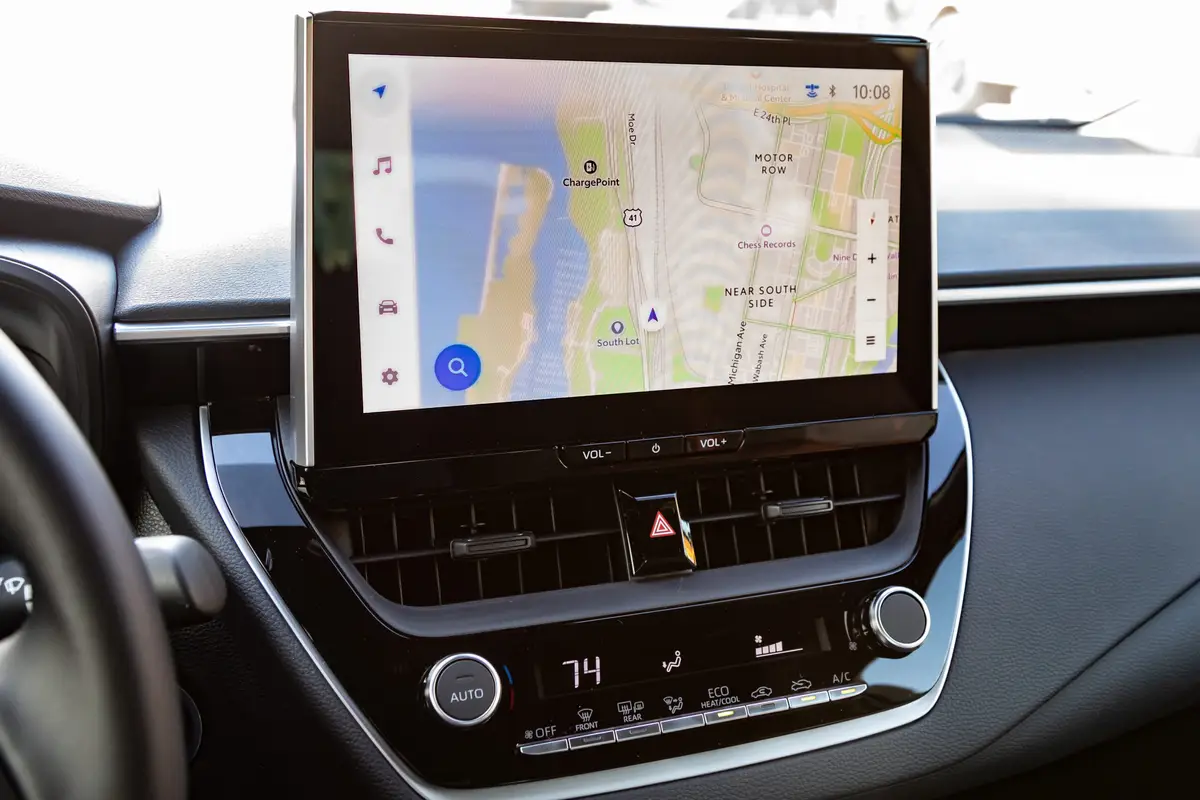
I drove an XLE trim, and it was equipped with the larger 10.5-inch touchscreen, and there are pros and cons to the system. Its straightforward menu structure was easy to figure out, and its upright placement high on the dash made it easy to see and reach. Some buttons were annoying, though, including a pair of physical volume up and down buttons instead of a knob. (The smaller 8-inch screen has a handier volume knob.) The XLE’s multimedia system also has screen-based tuning controls instead of a tuning knob, which I prefer. Thankfully, you can forget all these buttons and screen controls and just use the steering-wheel buttons.
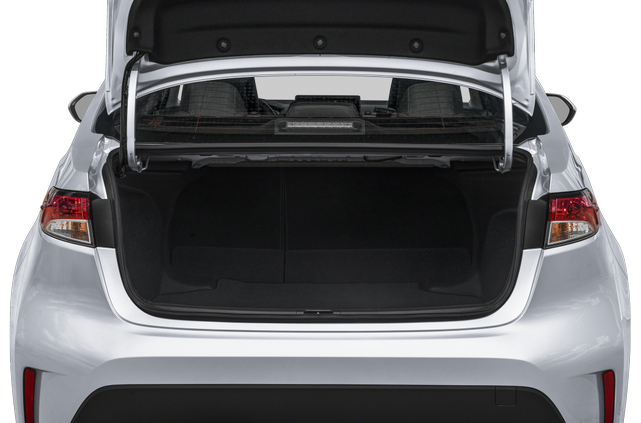
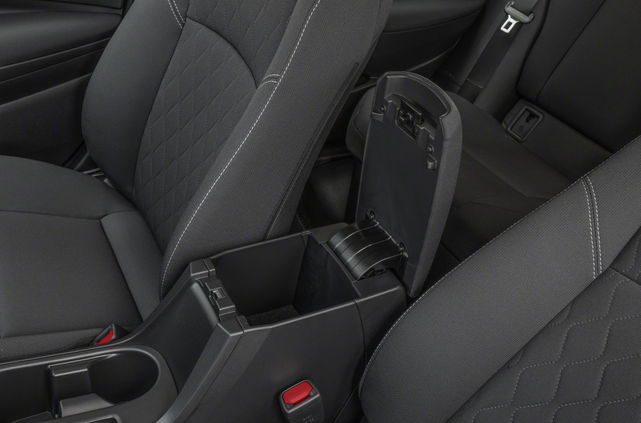
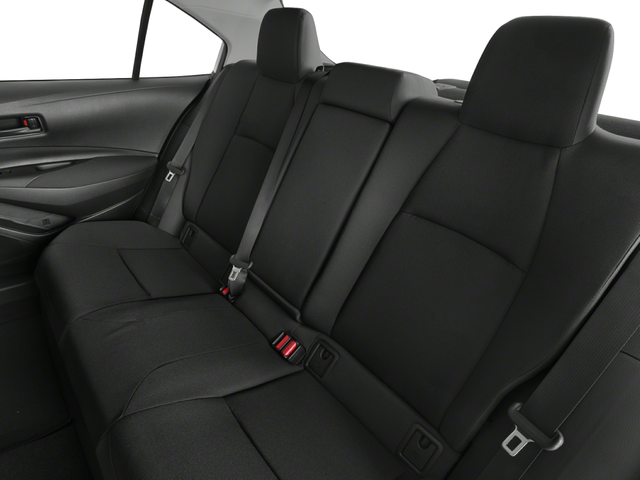
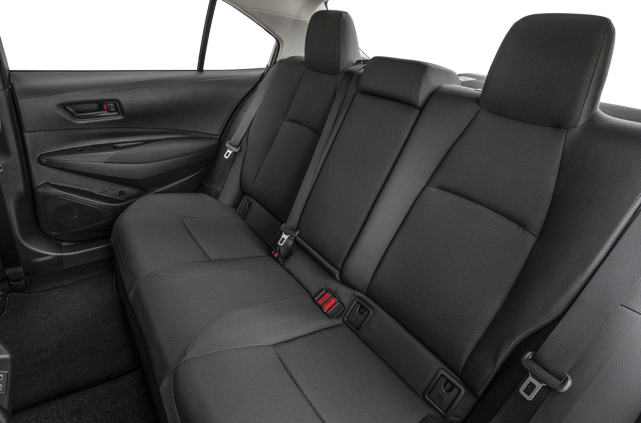
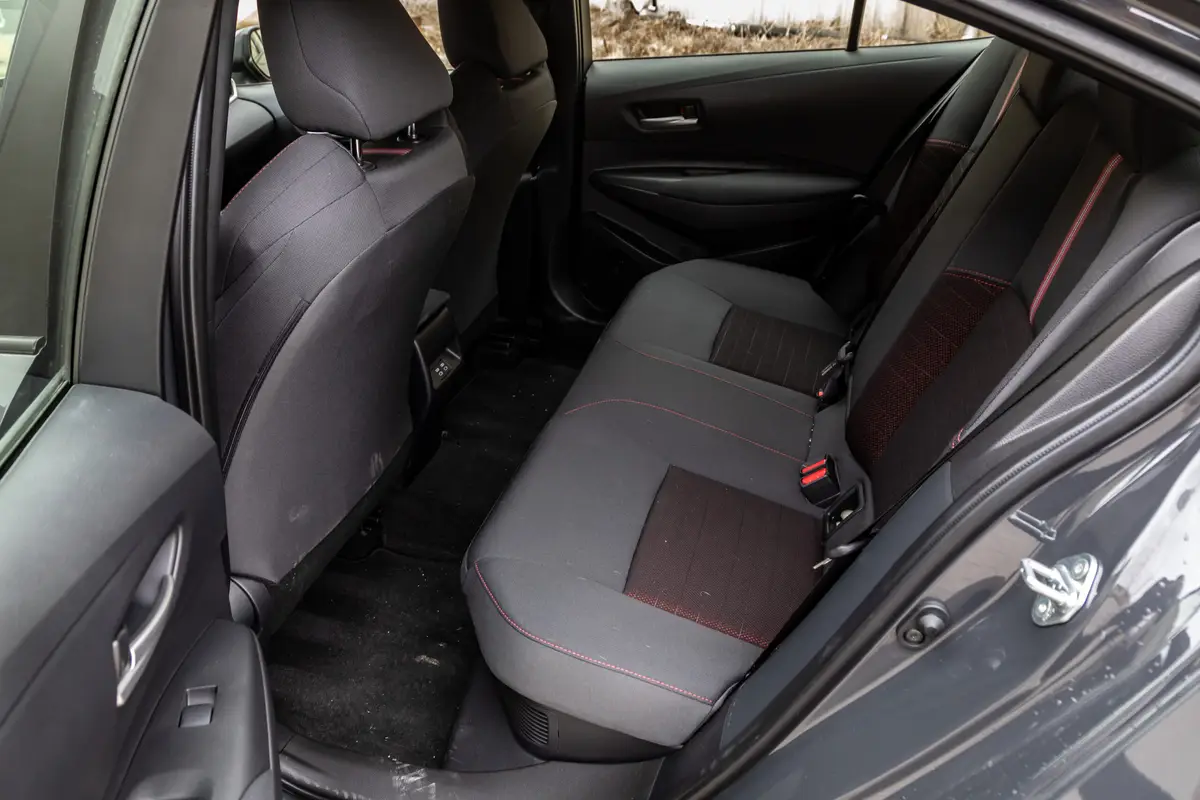
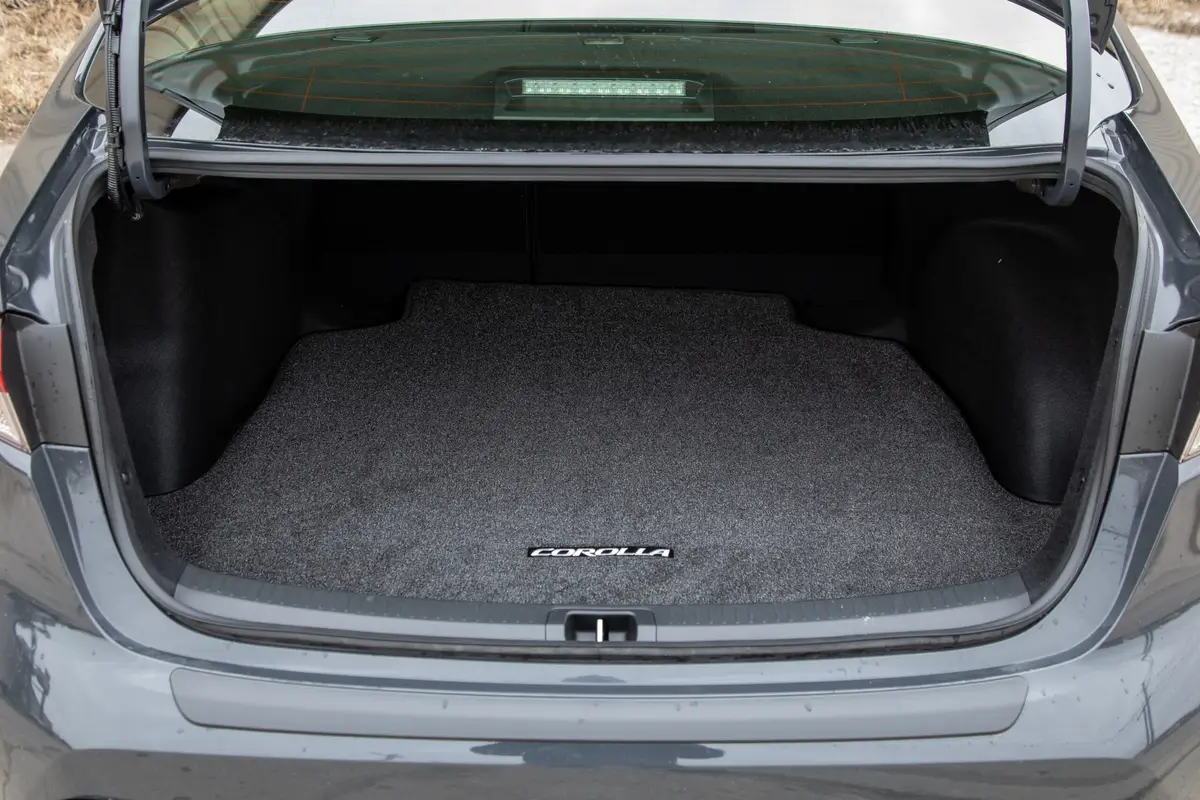
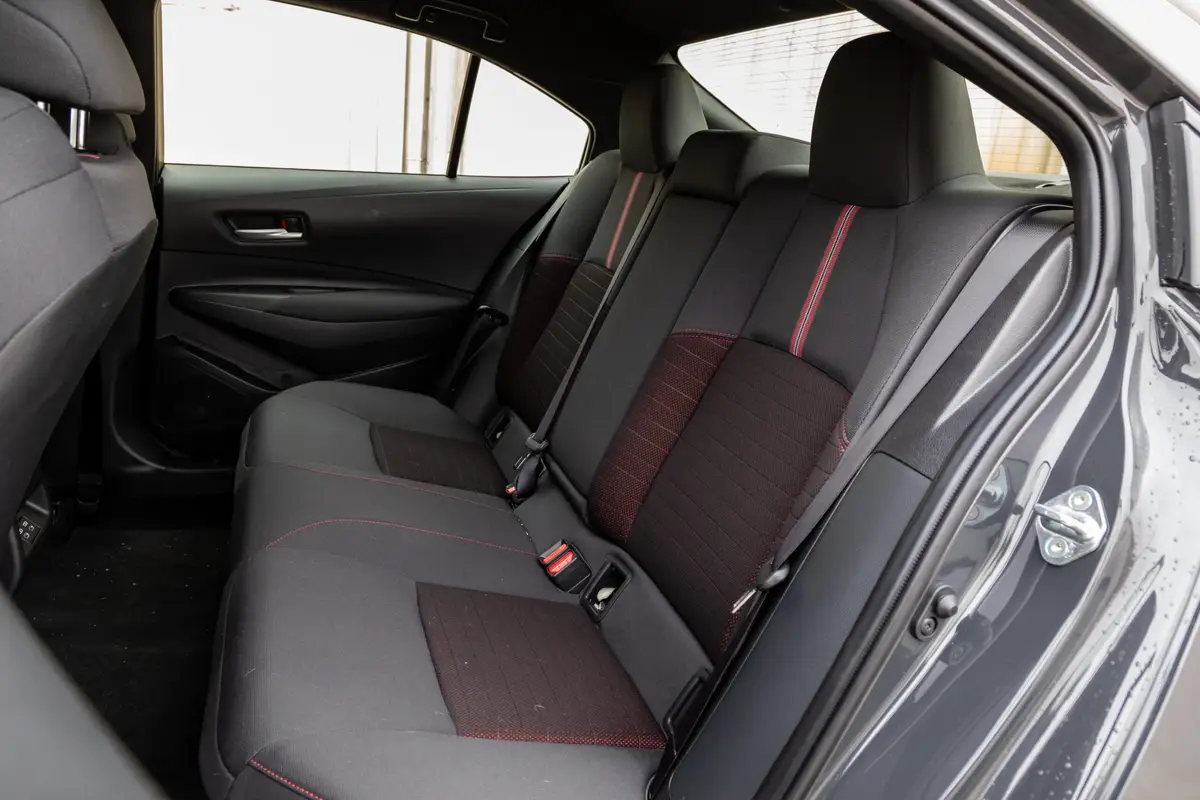
The backseat’s materials quality and design are also forgettable, and the space is a bit smaller than competitors. The Corolla Hybrid has 37.1 inches of rear headroom — matching the Honda Civic hybrid and very similar to the Hyundai Elantra Hybrid (37.3) — but just 34.8 inches of rear legroom, compared with the Civic hybrid’s 37.4 inches and the Elantra Hybrid’s 38 inches. In terms of manufacturer-measured cargo room, the story is the same: The Corolla Hybrid’s 13.1-cubic-foot trunk is a bit smaller than its competitors’.
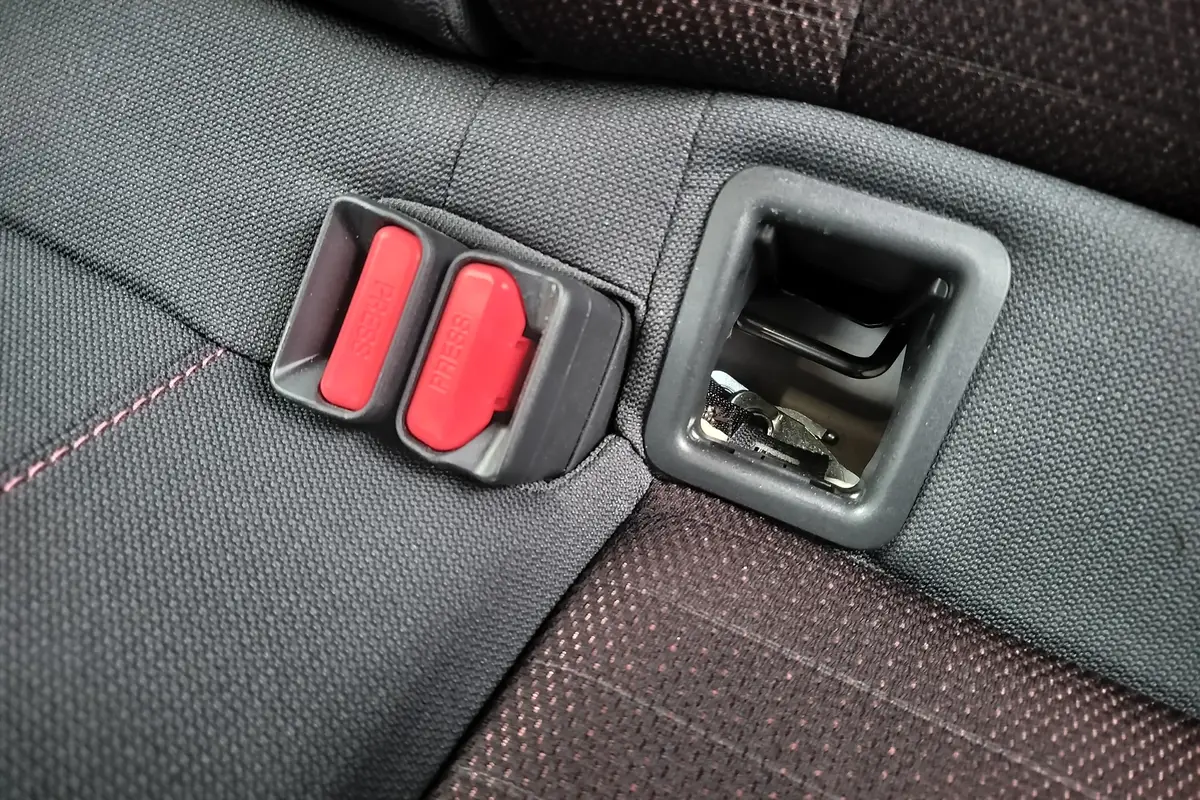
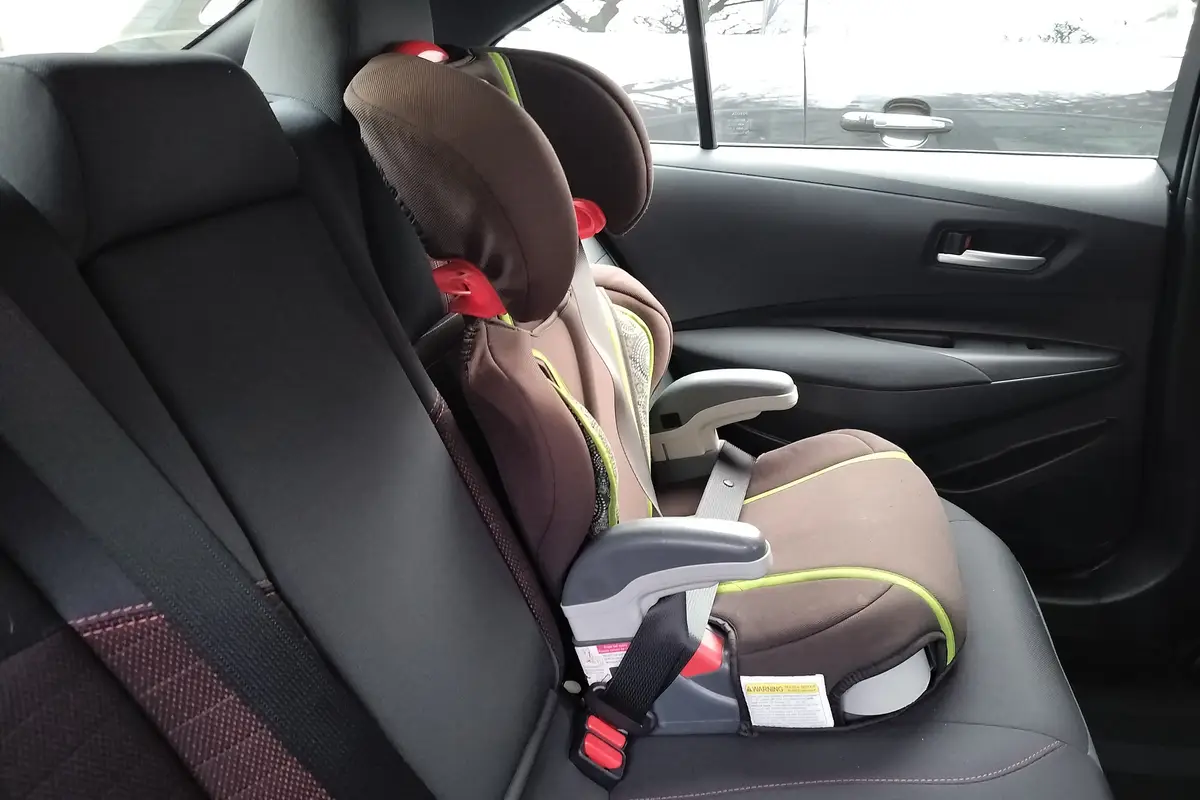
Still, I managed to fit two car seats in back with ease thanks to the Corolla Hybrid’s easily accessible lower anchors. Our forward-facing car seat and high-back booster fit best, but our rear-facing convertible seat and infant seat both took up too much of the front passenger’s legroom. Read the full Car Seat Check.
Strong on Safety and Value
In addition to shining in the fuel economy department, the Corolla Hybrid stands out in the safety and value departments, too. All Corolla Hybrids get Toyota’s Safety Sense 3.0 suite of active-safety features, which includes forward collision warning with pedestrian detection, automatic emergency braking, lane departure steering assist, lane-centering steering, adaptive cruise control, automatic high beams and road-sign recognition. For 2026, blind spot warning with rear cross-traffic alert is newly standard.
The 2026 Toyota Corolla Hybrid starts at $25,970 (including destination fee), which is lower than competitors; AWD adds $1,400. The 2026 Honda Civic hybrid starts much higher, at $30,590, but that’s because, unlike the Corolla, a hybrid powertrain can’t be had on the base Civic; you have to move up to the mid-level Sport trim to get the hybrid powertrain. The Hyundai Elantra Hybrid also starts higher, at $26,695.
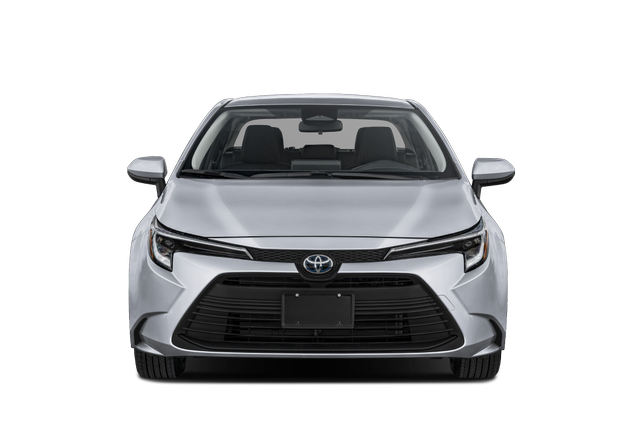
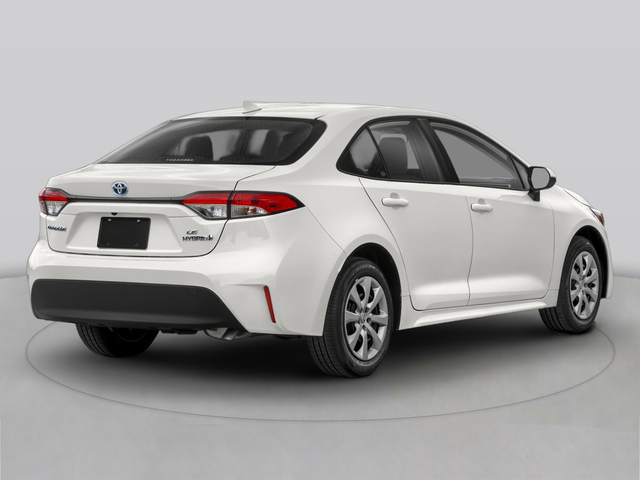
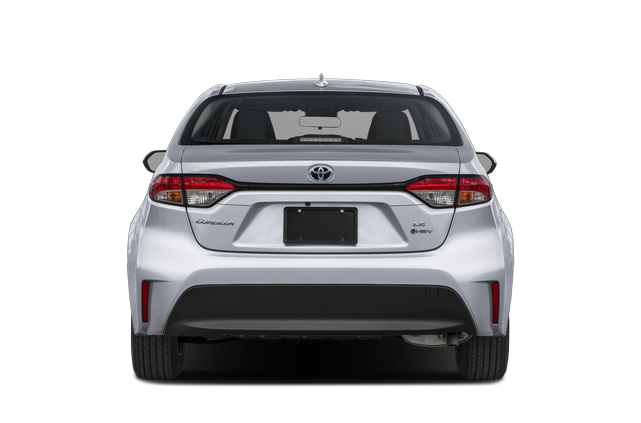
While it’s not stylish outside or fancy inside, the 2026 Toyota Corolla Hybrid is good where it counts for shoppers looking for practical, affordable and efficient transportation.
More From Cars.com:
- How Do Car Seats Fit in a 2024 Toyota Corolla Hybrid?
- The 12 Most Fuel-Efficient New Cars You Can Buy for Under $35,000
- Auto Show Affordable Face-Off: 2026 Honda Civic Vs. 2026 Toyota Corolla
- With the Nissan Versa Gone, What Are Some Affordable Alternatives?
- Research the Toyota Corolla Hybrid
- Add Cars.com as a Preferred Source on Google
Related Video:
We cannot generate a video preview.
Cars.com’s Editorial department is your source for automotive news and reviews. In line with Cars.com’s long-standing ethics policy, editors and reviewers don’t accept gifts or free trips from automakers. The Editorial department is independent of Cars.com’s advertising, sales and sponsored content departments.



 Latch
Latch
 Infant
 Rear-facing Convertible
 Front-facing Convertible
 Booster



.png)