

















What Car Shoppers Need to Know
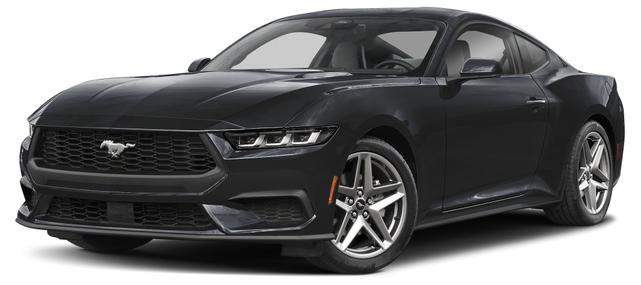
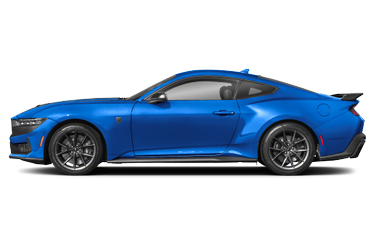
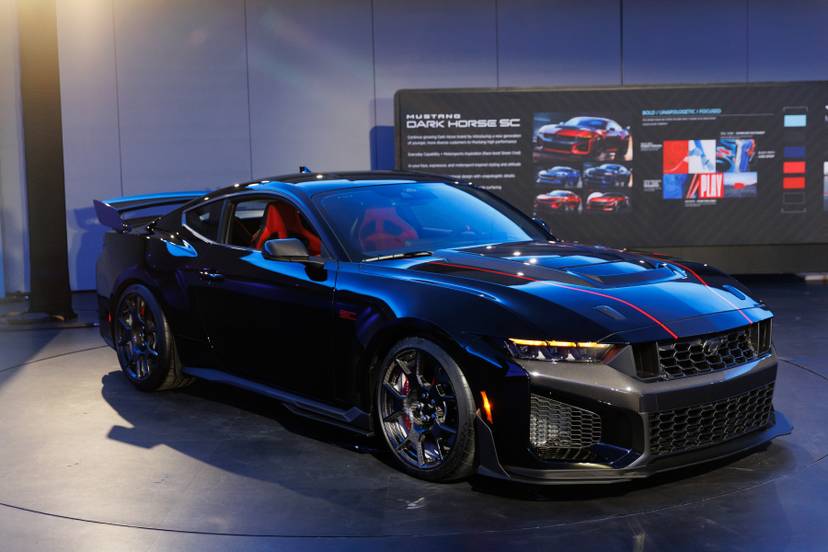
- The new 2026 Ford Mustang Dark Horse SC is expected to start at more than $100,000 (all prices include destination charge) when it goes on sale later this year, but you can supercharge the regular Dark Horse for significantly less.
- The regular Mustang Dark Horse is excellent, especially with the optional handling package.
- The Mustang GT Performance Convertible proves it doesn’t need to be hardcore to be fun.
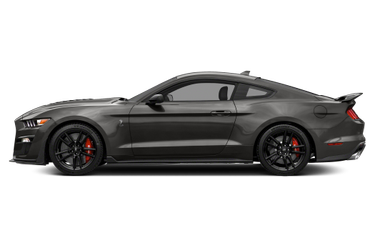
Deary me — according to reports confirmed by Ford, it’ll cost no less than $100,000 to slide into the new Ford Mustang Dark Horse SC. That’s quite the cartoonish sack of cash for what ultimately amounts to a refreshed, nipped/tucked rerelease of the last-gen GT500 — but have you noticed what these older Shelbys are trading hands for? It’s tough to get an unroached GT500 for under $80,000, and most clean, low-mileage examples comfortably cruise in the mid-$90s. Those equipped with the vaunted track packages often settle in the lowish six figures, so it’s somewhat logical that Ford would choose to harness that demand.
Only, does it have to be this heavy? According to those same reports, spec your Dark Horse SC with the Track Pack, and the price swells to $144,985, and further to $175,965 for the Track Pack Special Edition. Buddy, a 2026 Chevrolet Corvette Z06 starts at $122,795.
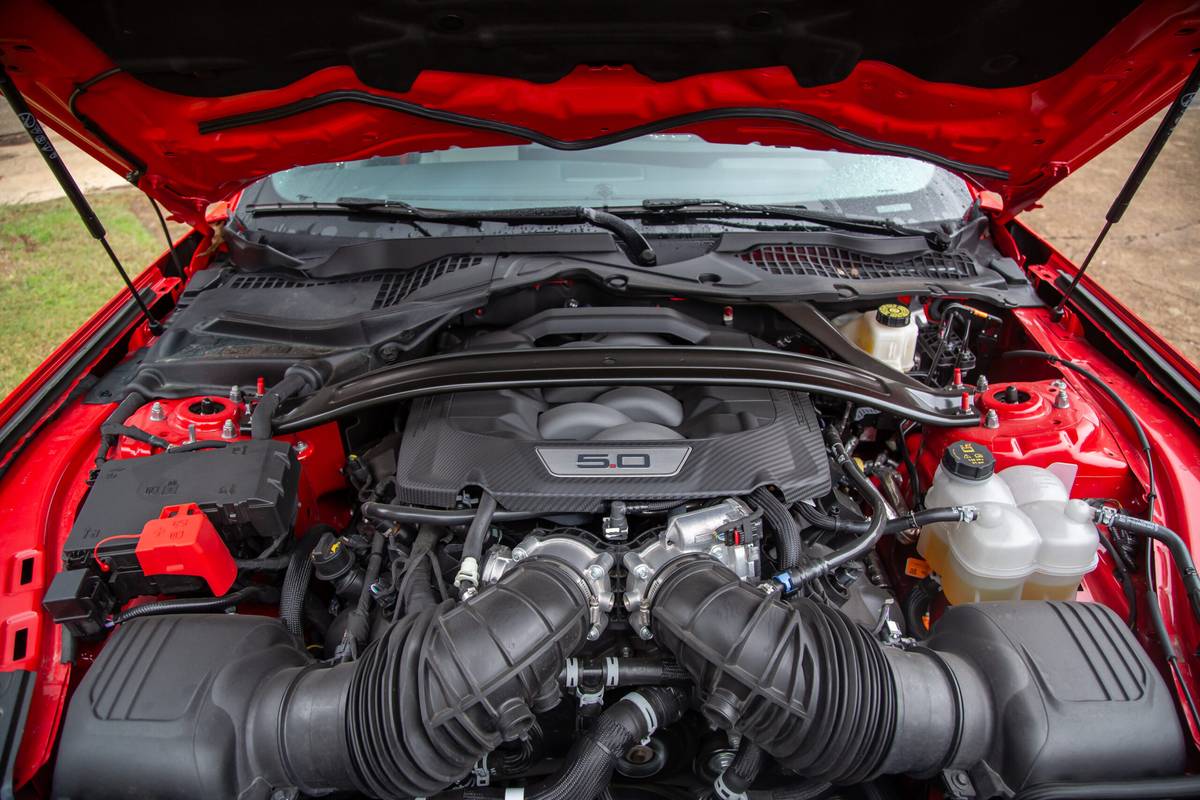
It gets nastier. Ford Racing Parts sells a 3.0-liter Whipple supercharger calibrated for both the Mustang GT and the standard Dark Horse, which spins their 5.0-liter V-8 up to 810 horsepower and 615 pounds-feet of torque — and it’s all yours for $10,500. And that comes complete with a three-year/36,000-mile warranty if installed by a certified tech.
How Much Does It Cost to Supercharge a Mustang Dark Horse?
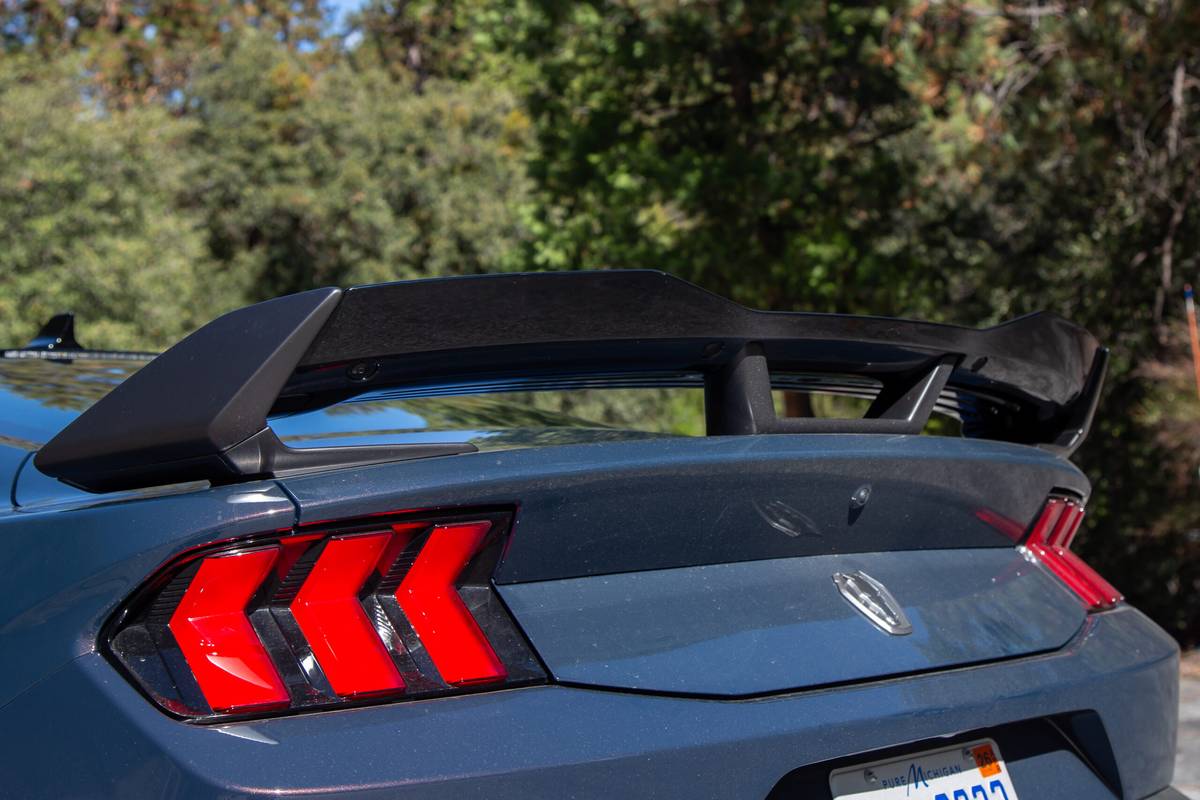
Combined, if you do the work yourself, it will cost you $82,070 to buy and subsequently supercharge a standard 2026 Dark Horse with the optional Mustang Dark Horse Handling Package. Doing so gets you an approximation of the new Dark Horse SC — minus its GT500-derived 5.2-liter V-8, seven-speed dual-clutch transmission and configurable traction control system, derived from the Mustang GTD. There are also numerous aero, chassis and aesthetic tweaks that ostensibly earn the SC’s price premium.
Lotta money, lotta Mustang. But don’t let that distract you from the fact that both a regular GT and the regular, naturally aspirated Dark Horse are tremendous performance cars. As we enter this new era of giga-’Stangs, I ripped around in two disparate iterations of the current Five-Oh to remind myself not to get caught up betwixt the supercharger screws. (For this review, I drove 2025-model-year versions of the Mustang Dark Horse and the Mustang GT Convertible, but there are no significant changes for 2026.)
Mustang Dark Horse: The Corner Carver
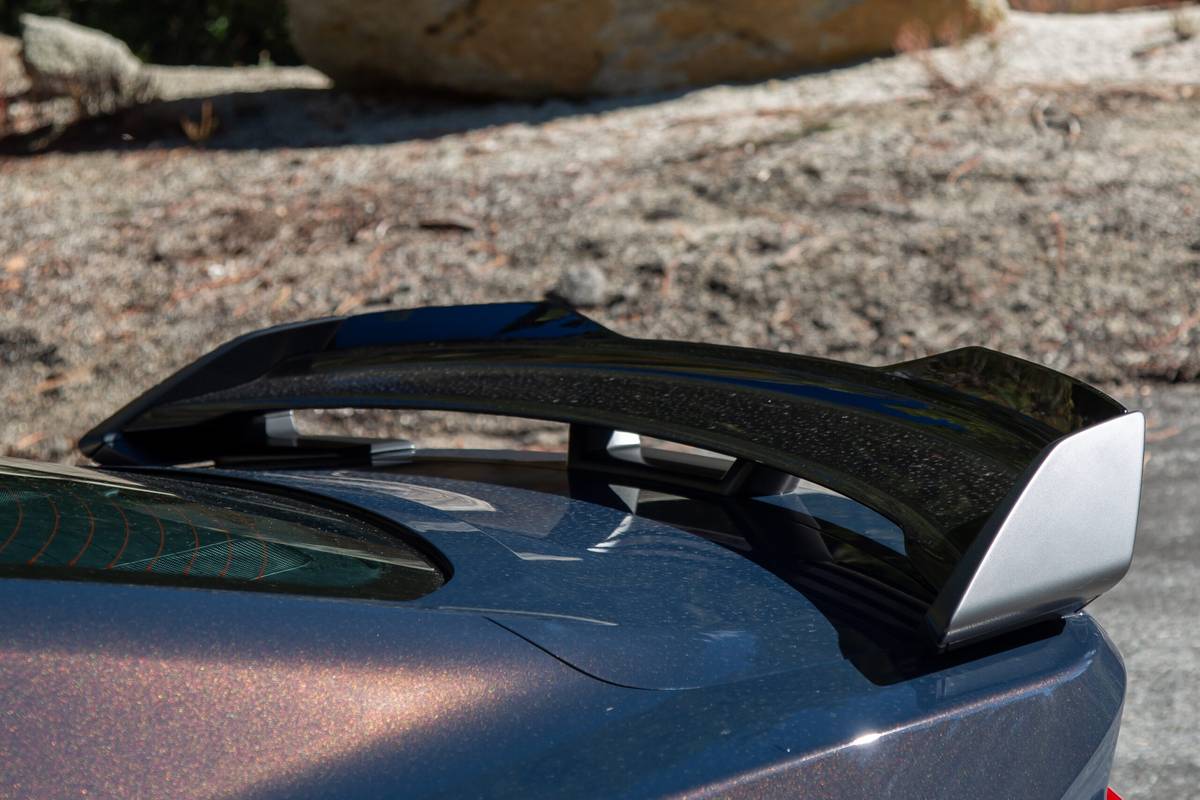
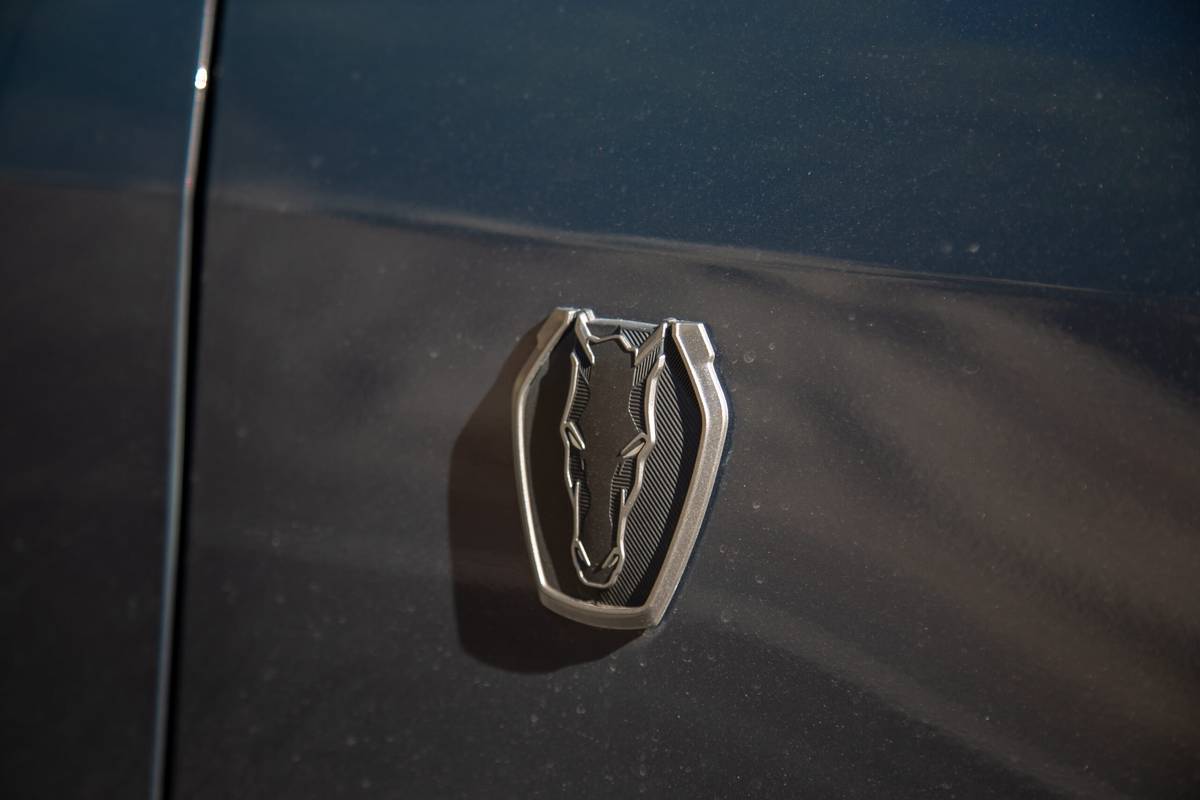
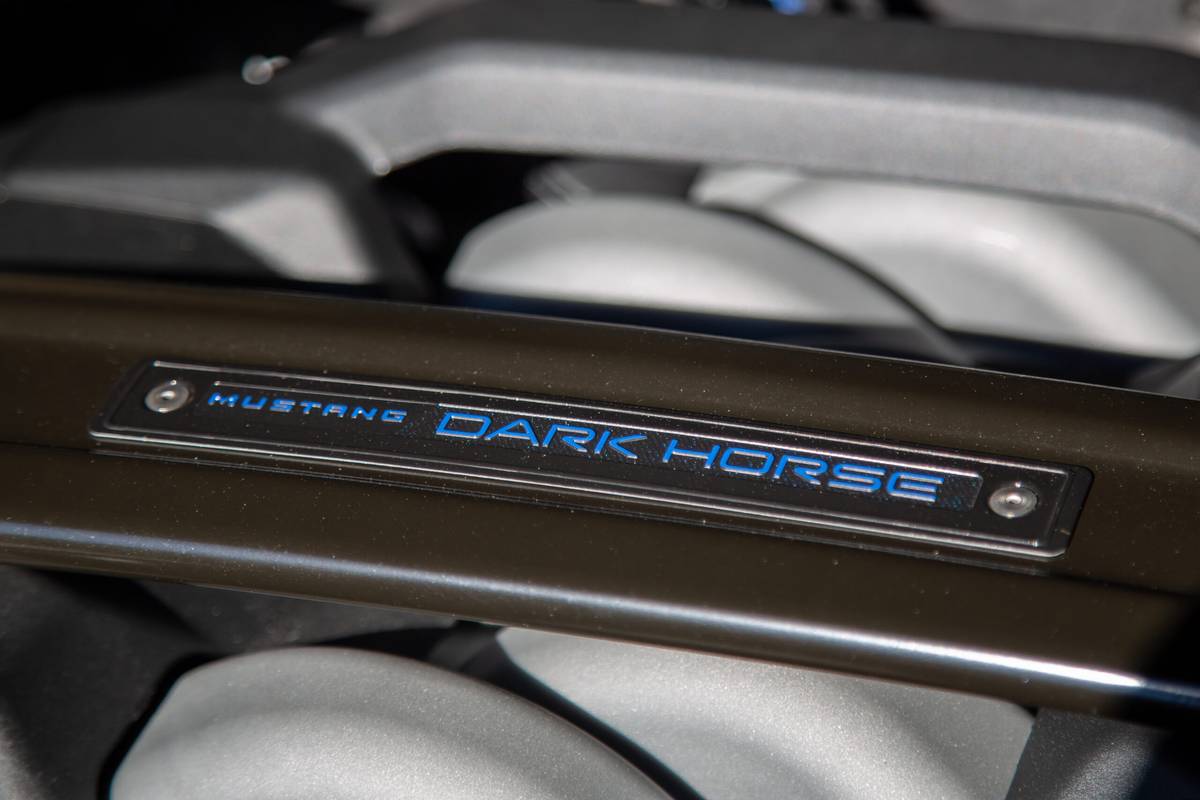
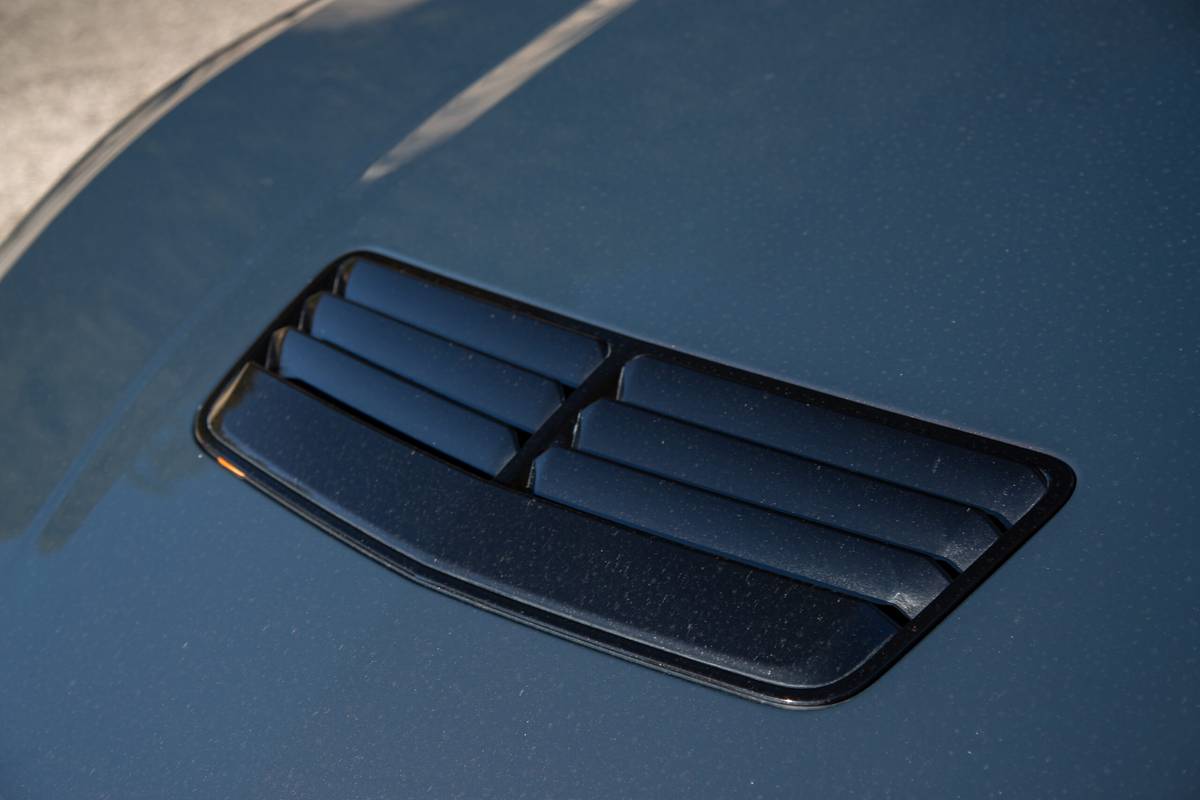
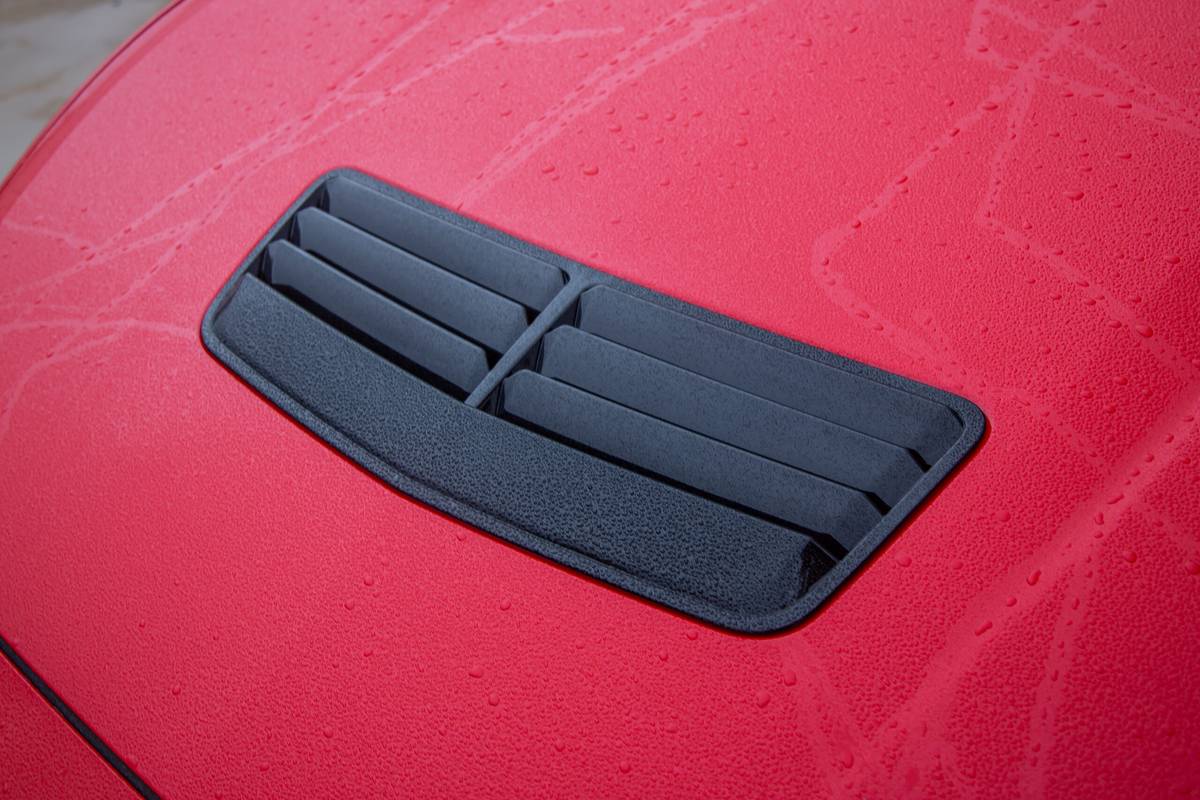
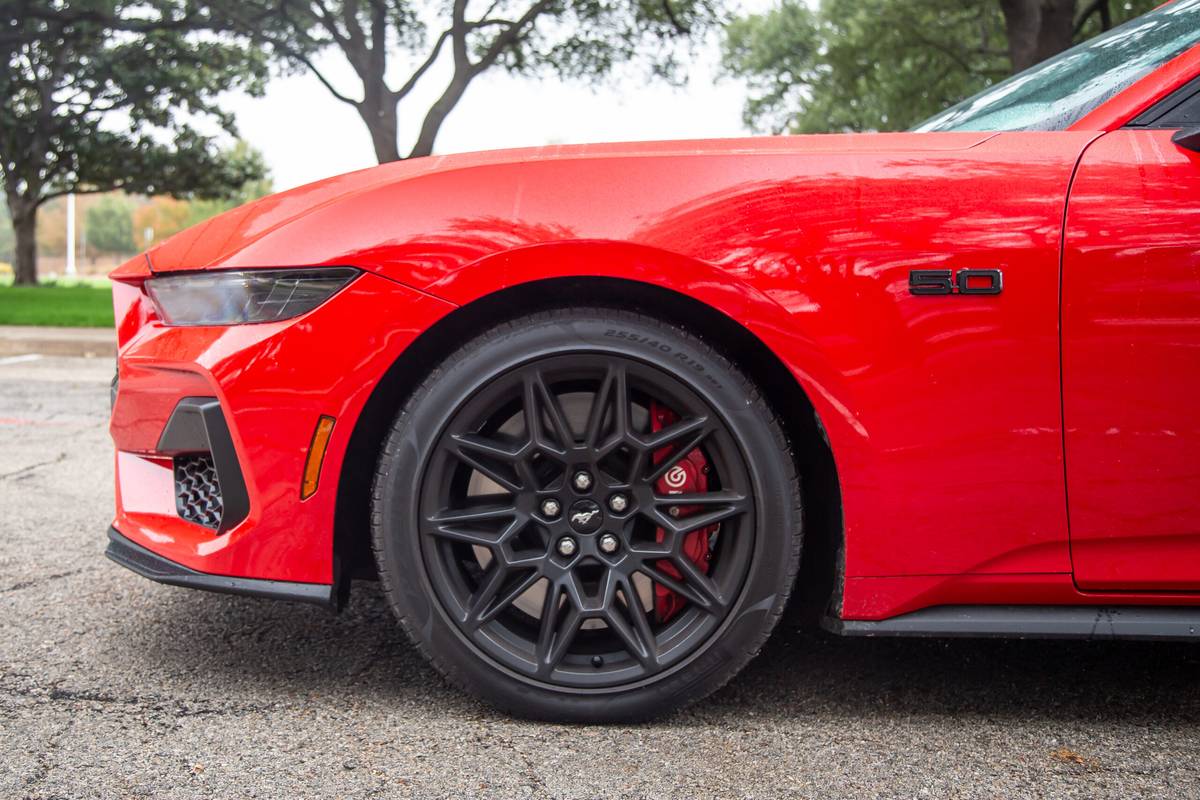
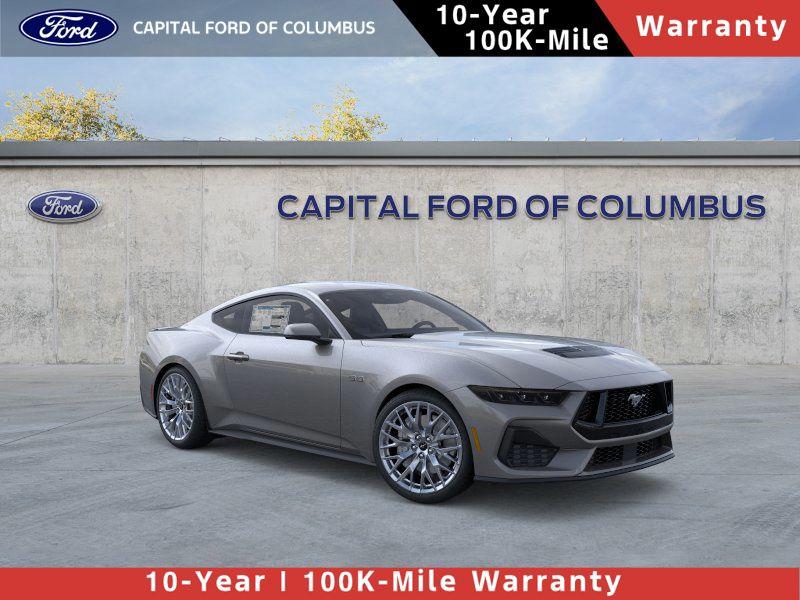
A quick DL on the DH: This is the corner-hungry, track-ready variant of the Mustang lineup, and it’s a direct follow-up to the past Mach 1. As such, its GT bones are augmented by a comprehensively revised chassis, MagneRide shocks, big Brembo brakes, a limited-slip rear differential and various aero appliques to keep it all glued to the road.
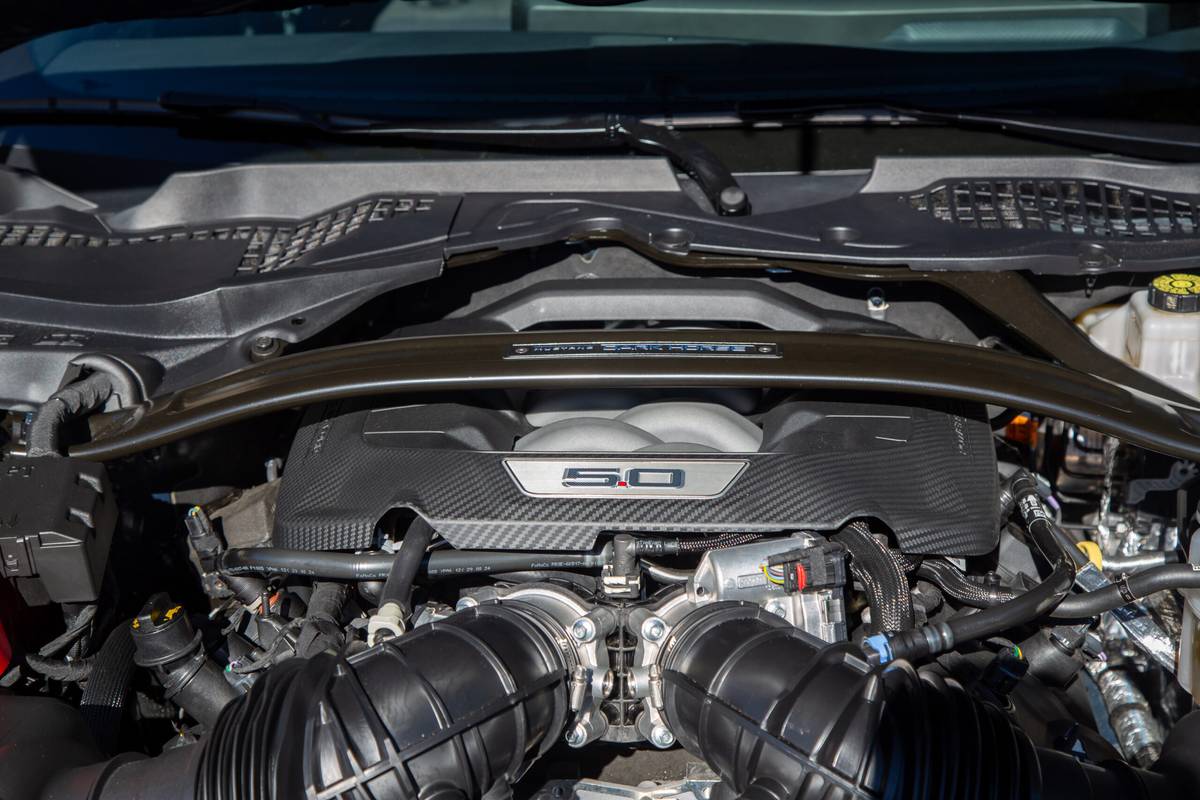
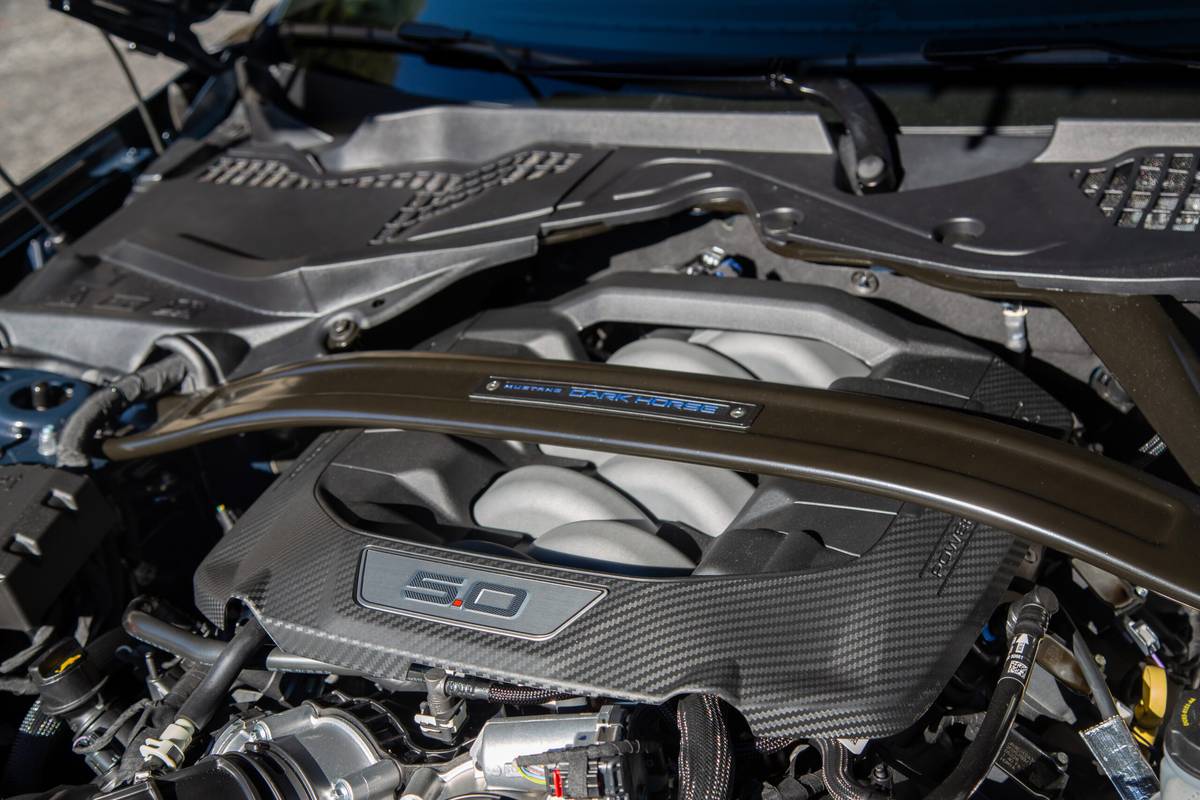
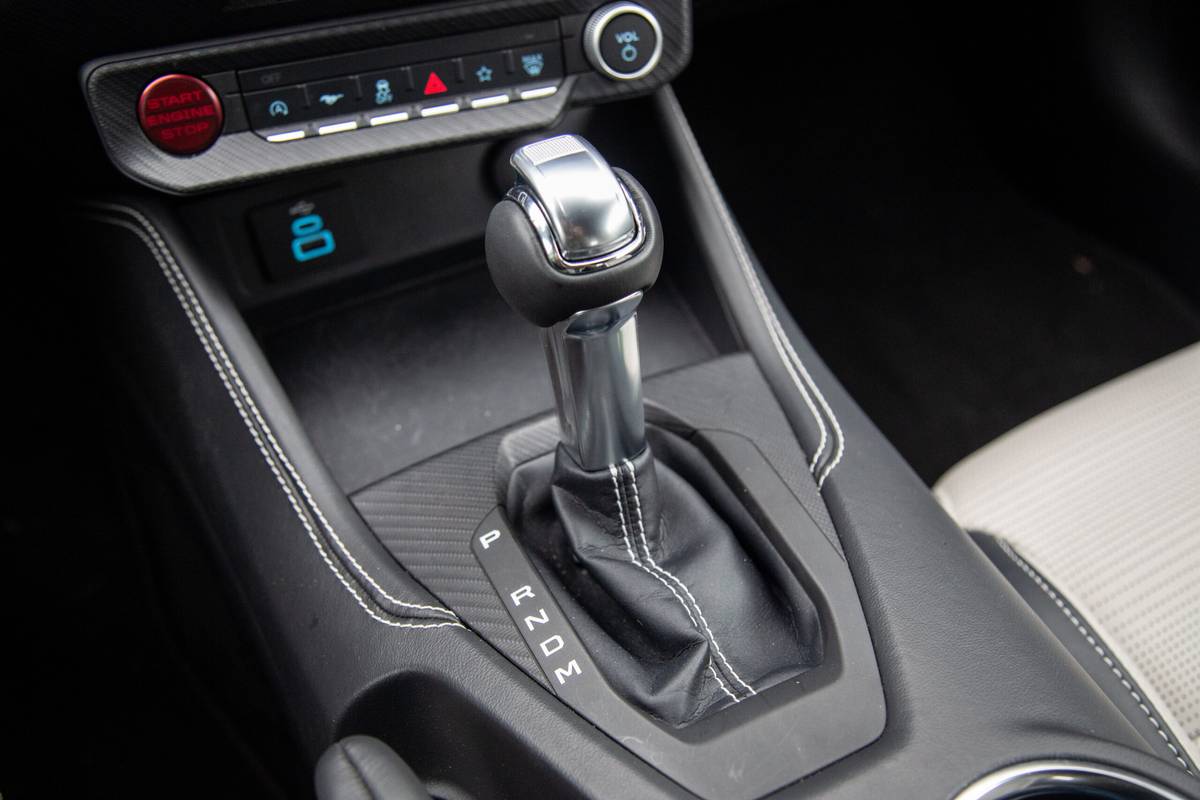
The 5.0-liter V-8 is upgraded with forged internals and a revised intake for an extra 20 hp, bringing the total to 500 hp, while the vaunted Tremec TR-3160 six-speed manual transmission is available, replacing the controversial Getrag MT82 six-speed offered in the GT (a 10-speed automatic is standard). Much like the erstwhile Mach 1, this is the standard Mustang — perfected: Go no further if you like your ‘Stangs stick and your engines free-breathing.
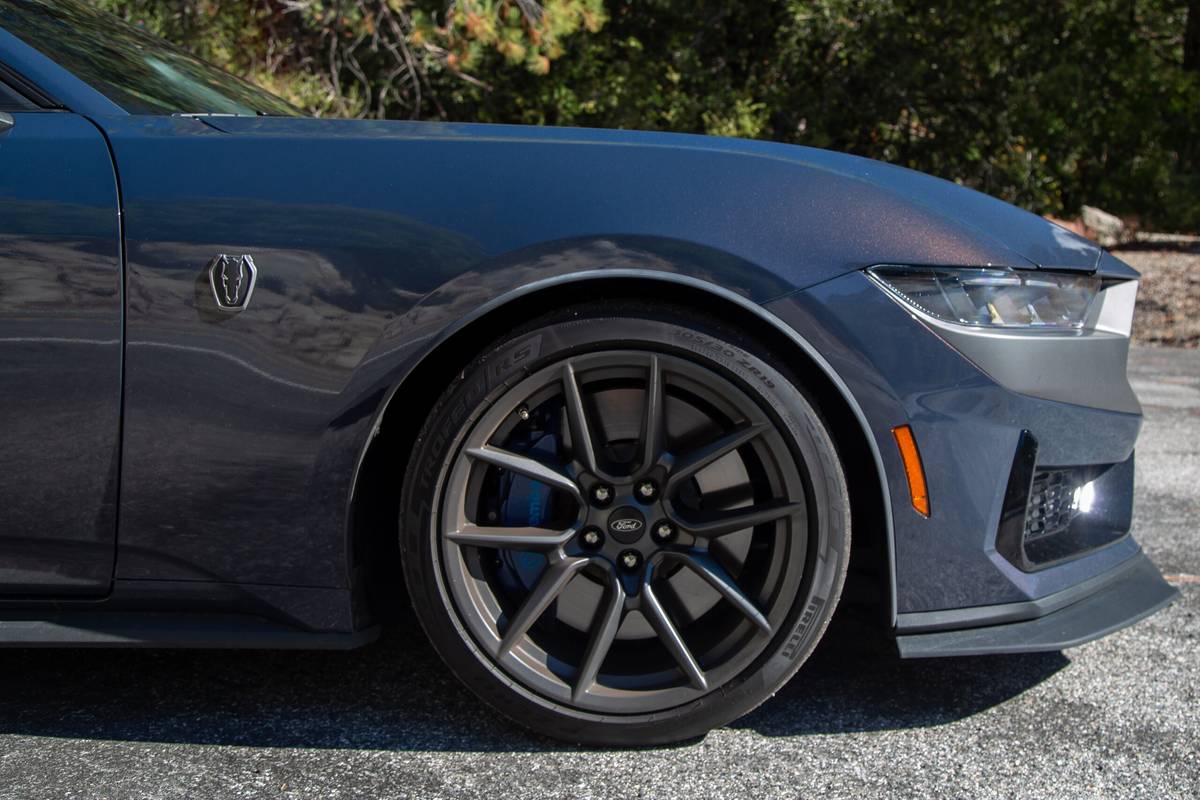
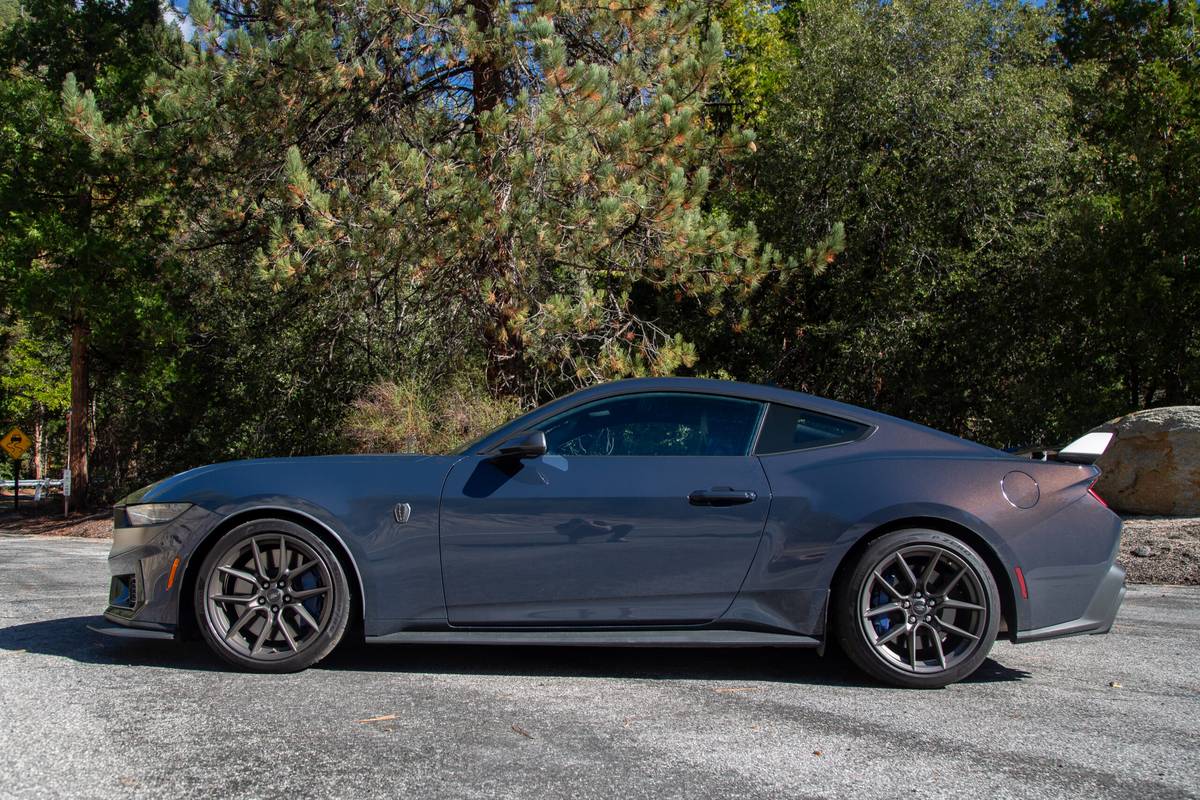
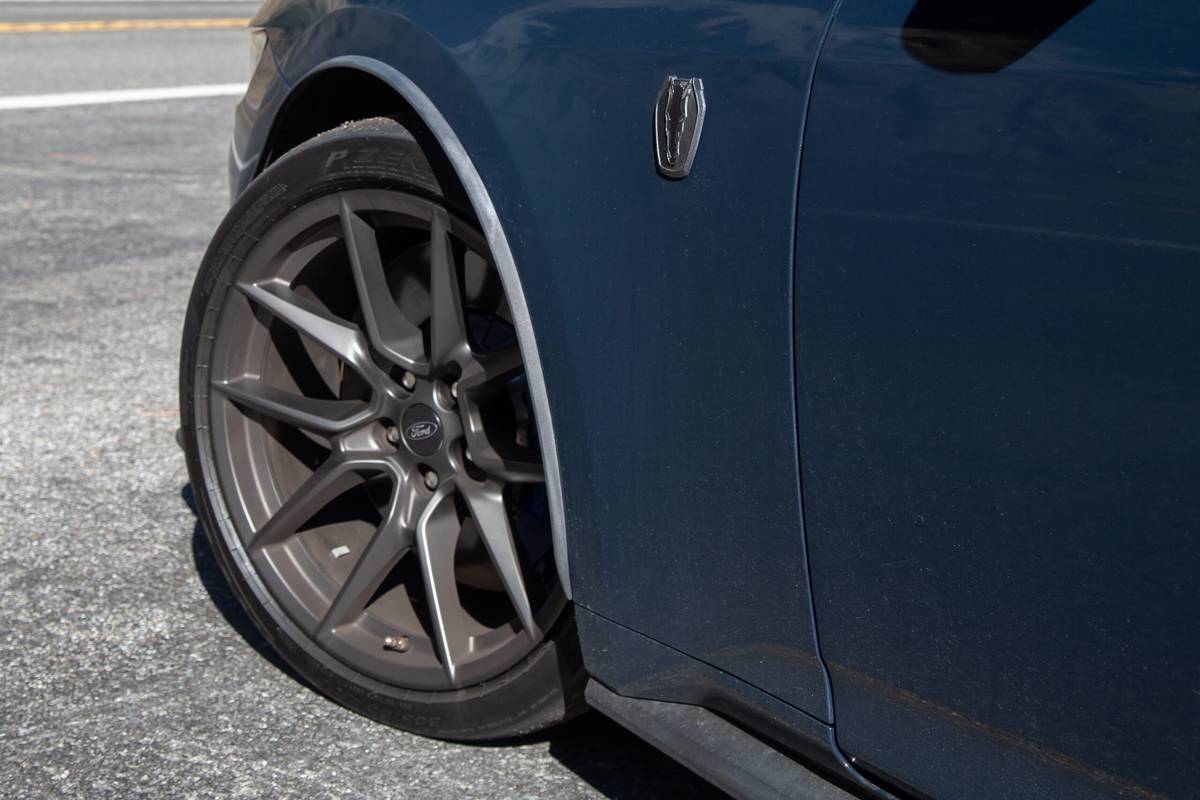
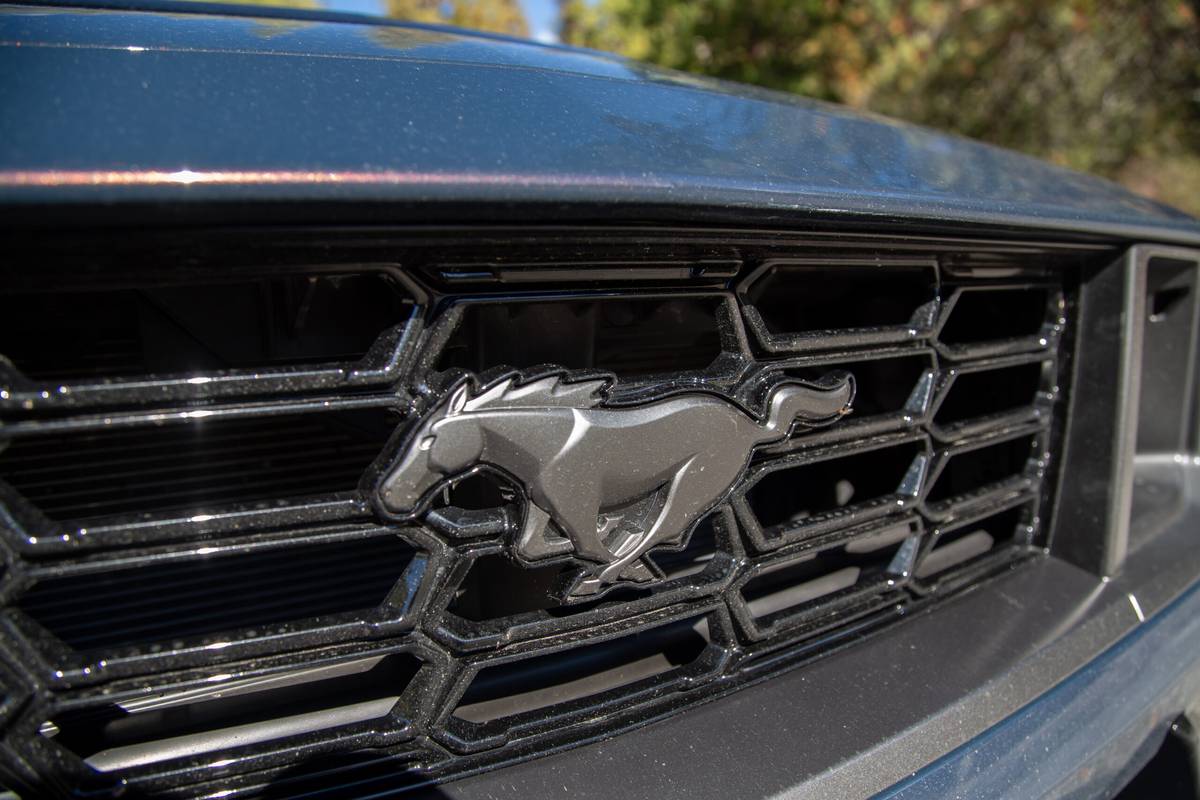
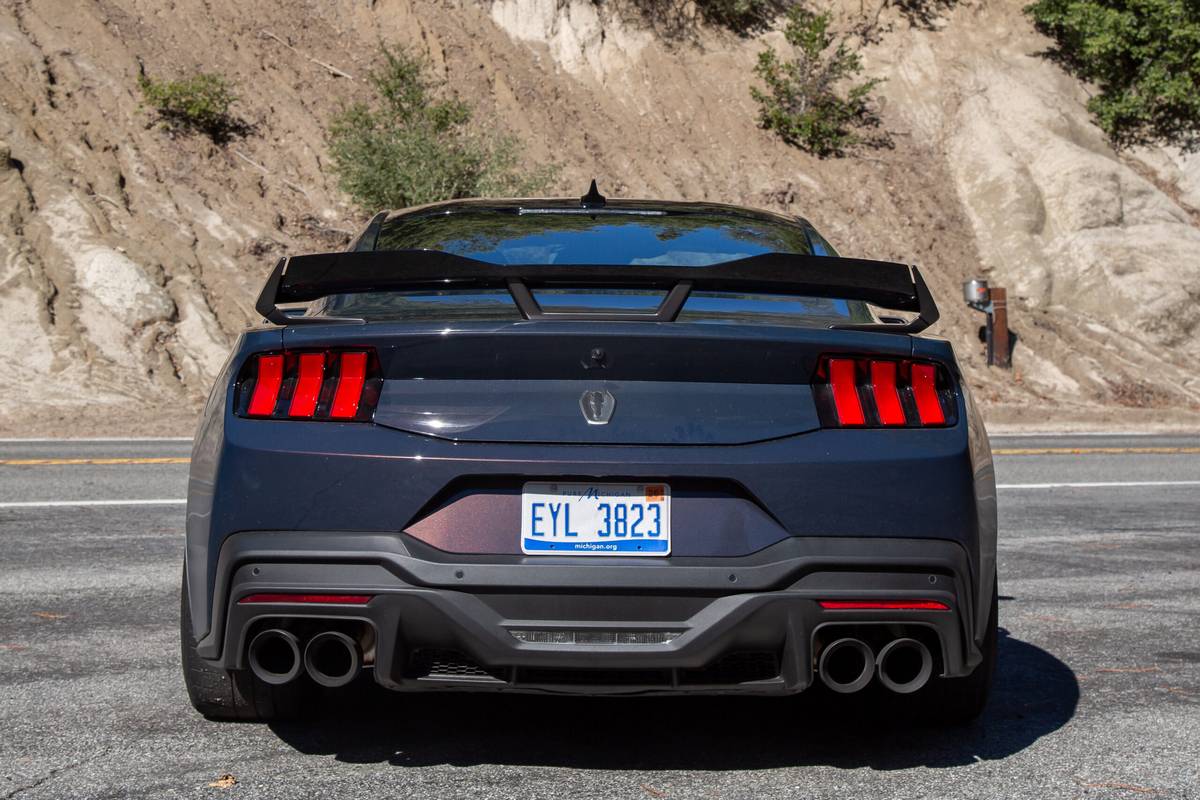
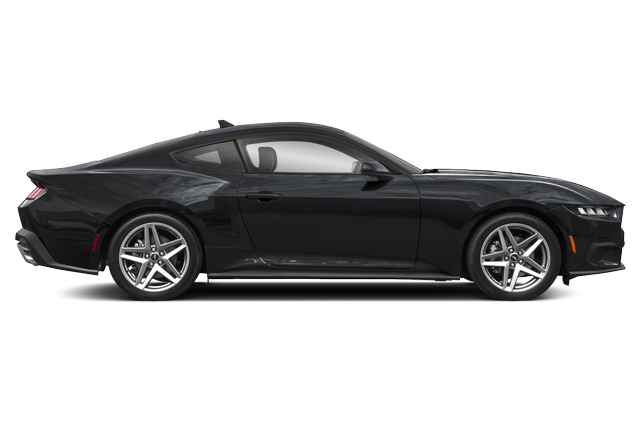
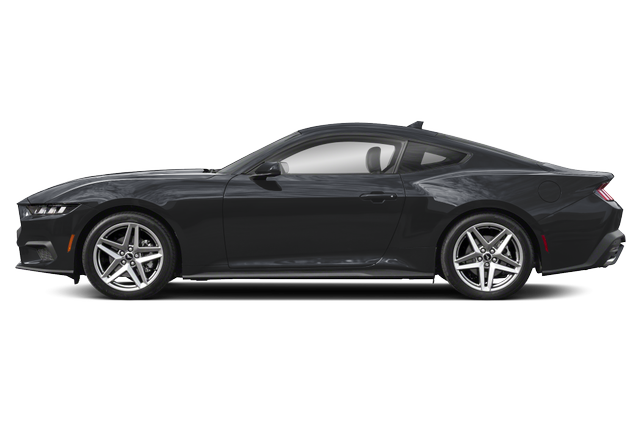
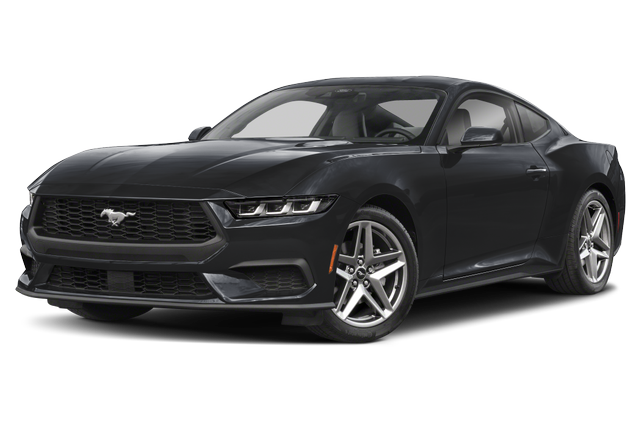
I mentioned the handling package earlier, and my Dark Horse test car came equipped with it. Adding that $5,495 package further sharpens the chassis, aggros the aero and wraps mega-sticky (and mega-expensive) Pirelli P Zero Trofeo RS tires around wider 19-inch wheels. The visual effect of a so-fitted Dark Horse makes for one of the most muscular, purposeful Mustang profiles in recent memory, eschewing a Shelby’s nostalgia and stripes for simmering menace.
It’s one of the best modern approximations of that classic Trans-Am stance — less Pontiac, more Parnelli Jones — and it just looks proper. In motion, it’s every bit the juiced GT, with the unusual character of more tire than power. That’s not to say the rear end never squiggles under the influence of those 500 dark horses, but you can act quite stupid with the loud pedal once you get some temp in those Pirellis. But get frisky in the cold or damp and — oops! Either back off or prepare to collar that rear-end swing.
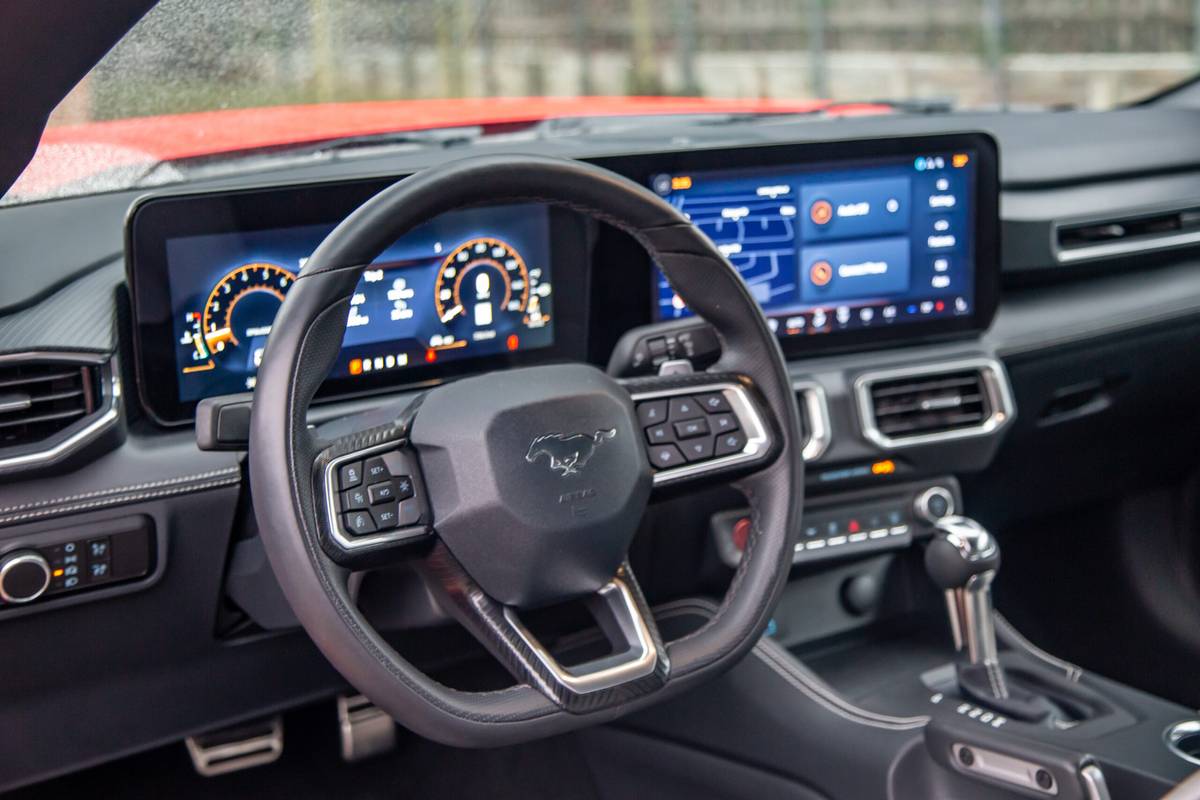
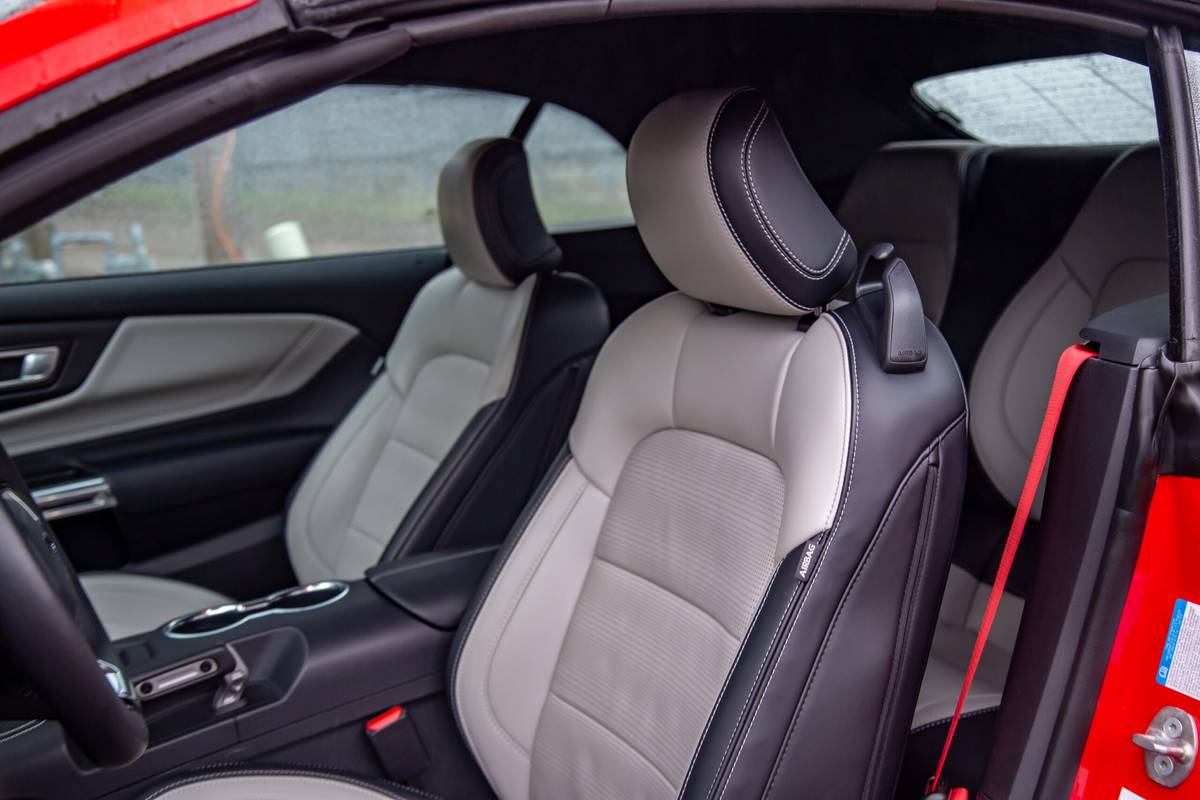
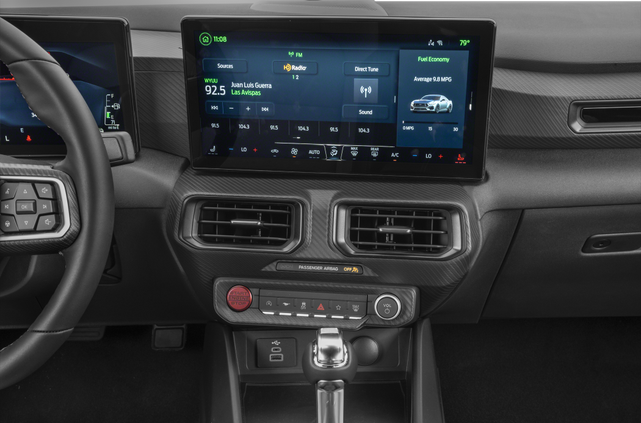
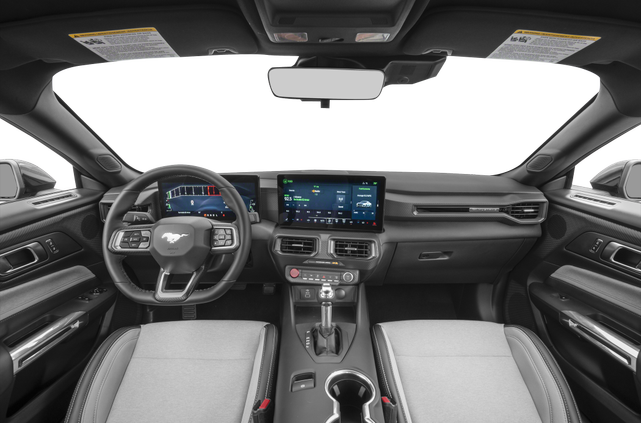
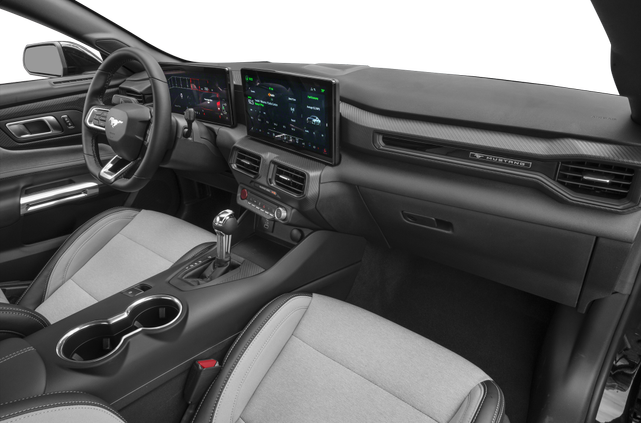
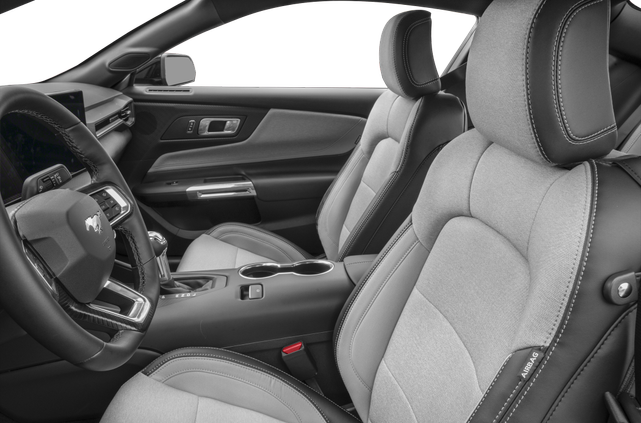
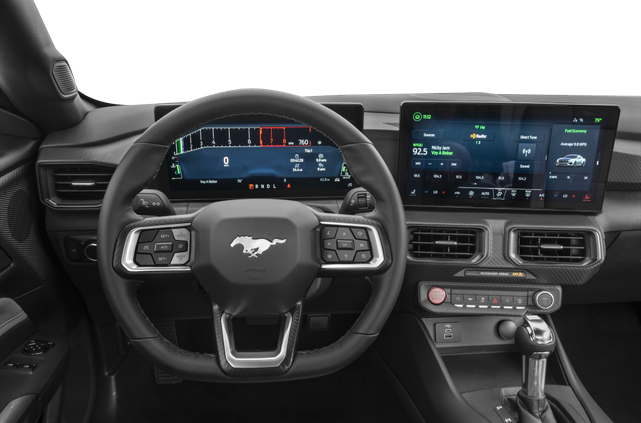
I spent the first two-thirds of my time in the Dark Horse commuting through Los Angeles roads clogged by both an atmospheric river and traffic. This was where the magic of the Mustang, writ large, shone brightest: When you need it to be a big, cushy coupe, it delivers — even as the optional Recaro seats squeeze, the tires scuttle and the clutch jitters. Downsides include tramlining on grooved pavement, a bumpy ride, a front splitter that scrapes everywhere and an interior that’s not quite commensurate with its price tag.
Upsides? Oodles. Once I broke free of both rain and traffic, the Dark Horse’s hard charge through both highway and mountain pass was enough fun to drain the tank twice in one extended canyon sesh — shout-out to Palm Spring’s Palms to Pines route — before attempting a land speed record in an empty expanse of Mojave interstate.
Those Pirelli tires are something else. Raw, mechanical grip is on par with what you might expect from something with an “M” or “AMG” on its decklid. And I desperately wish Ford would stop restricting the Tremec six-speed manual to its special cars; give the GT the transmission it deserves. It’s not as snappy or rifle-accurate as something from Honda or Porsche, but its deliberate engagement and robust shift character lend confidence to quick shifting and popped clutches, if that’s your mug of lager.
With the handling package, the Dark Horse feels prepped for that Ford Racing supercharger. With its 810 hp, those 315-millimeter-wide rear steamrollers will surely feel like bicycle tires, but the ear-folding Brembo brakes, MagneRide shocks and limited-slip diff ensure you’ll meet the sashaying rear end on your own terms. If you don’t plan on bolting on that blower — and you don’t live near good roads or an accessible track — consider sticking with a loaded GT Performance. For the overwhelming majority of Mustang enthusiasts, a six-speed GT coupe will feel like a million bucks for about $950,000 less, and it offers the same straight-line thrills as the Dark Horse. If you do find yourself underwhelmed by its 480 hp — you nutter, you — there’s always that supercharger kit.
Mustang GT Performance Convertible: An Automatic Doesn’t Diminish the Fun
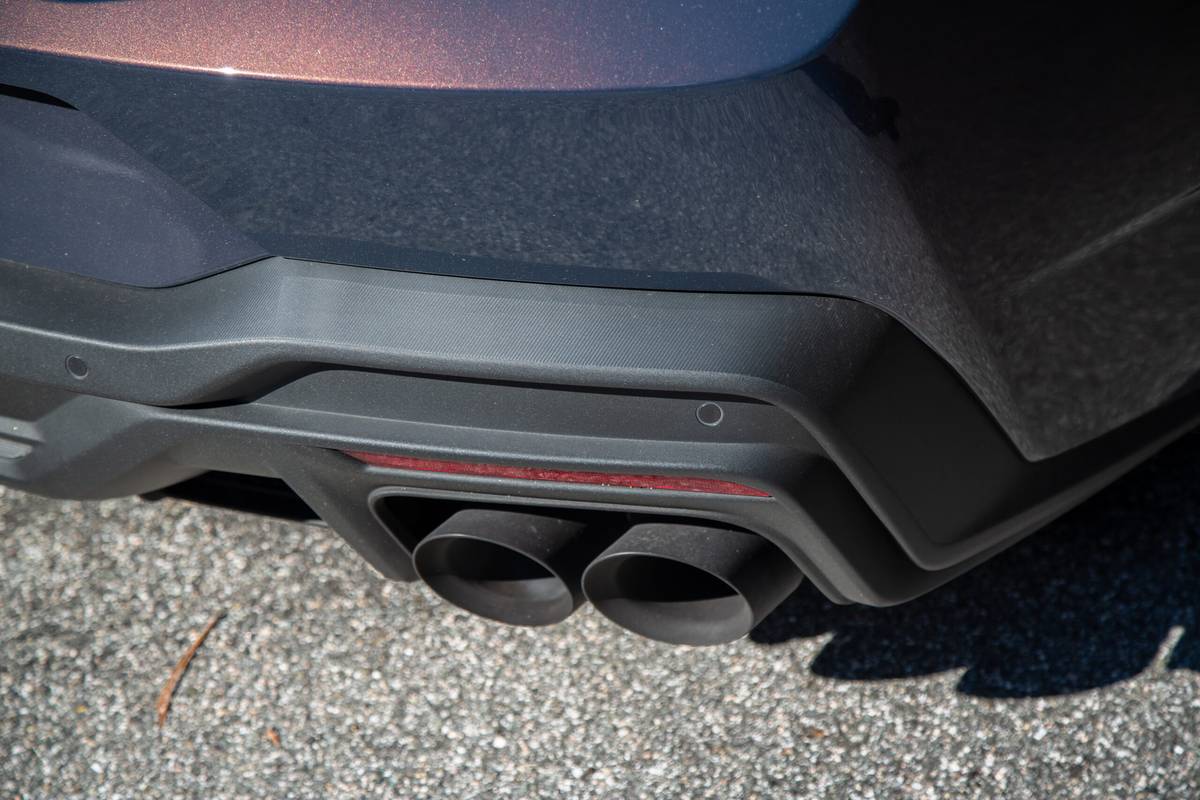
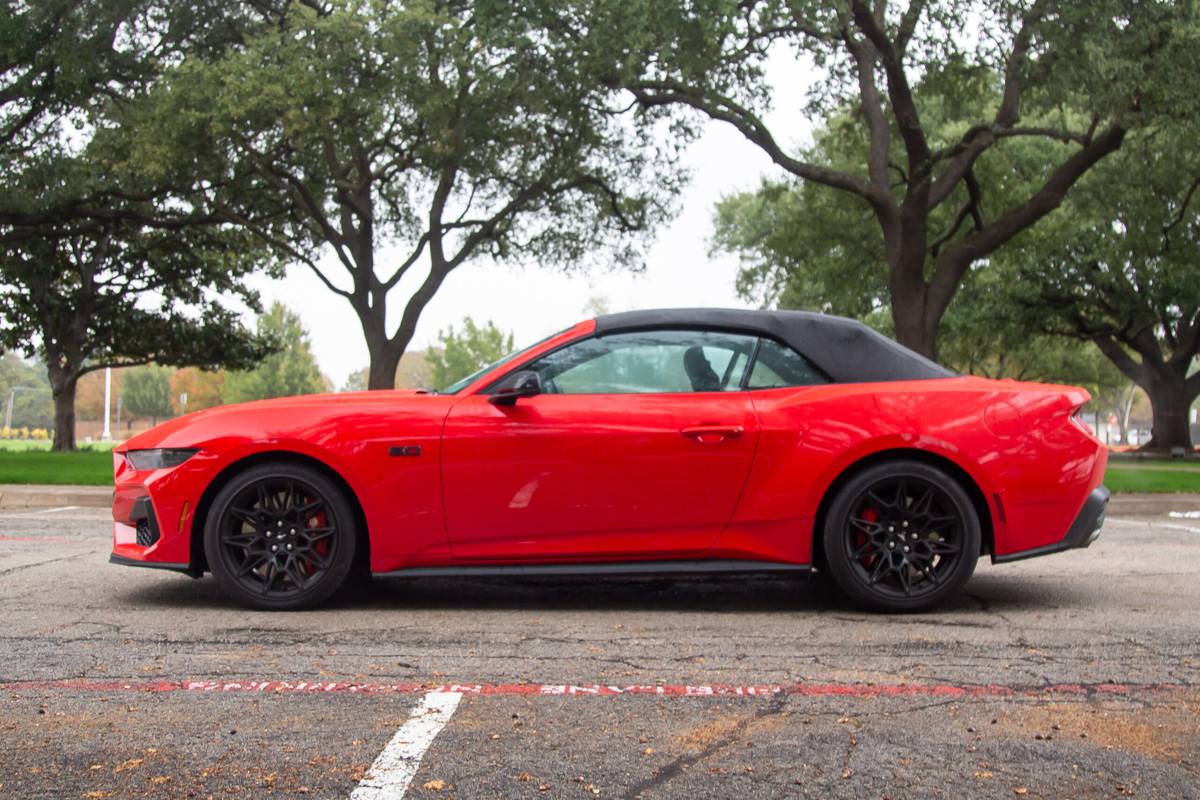
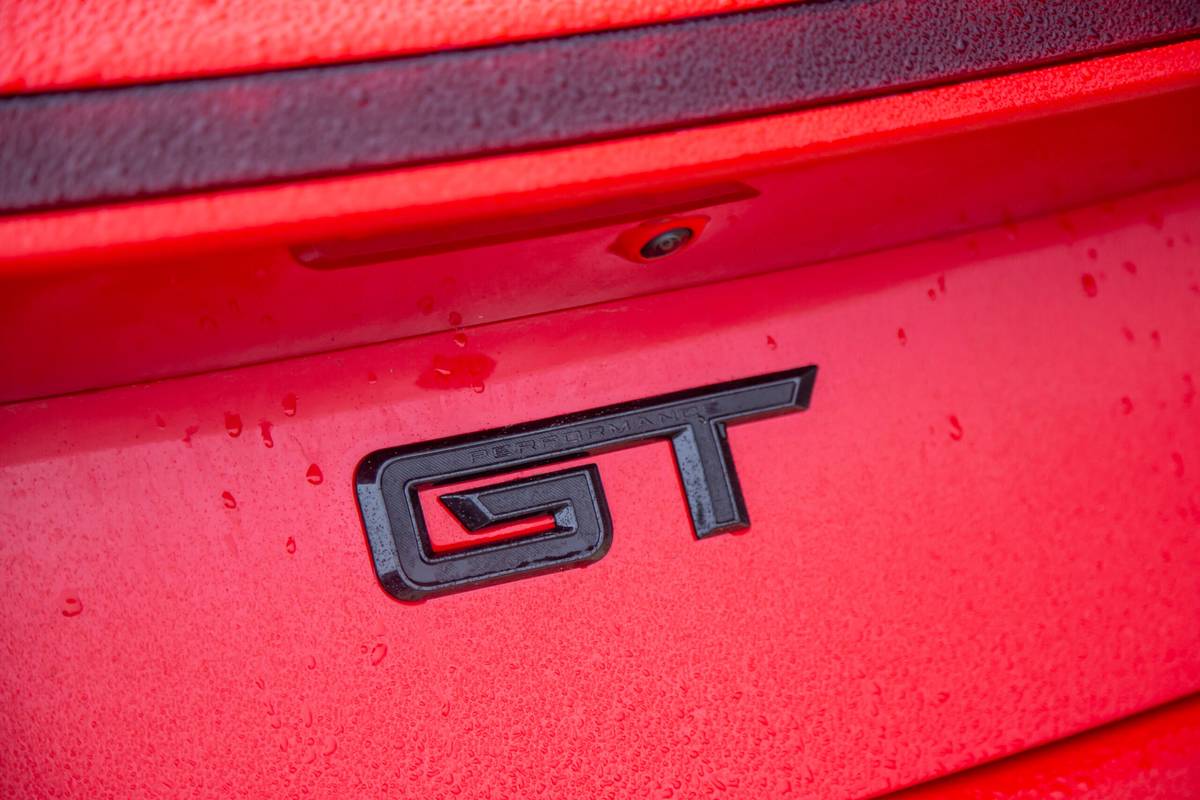
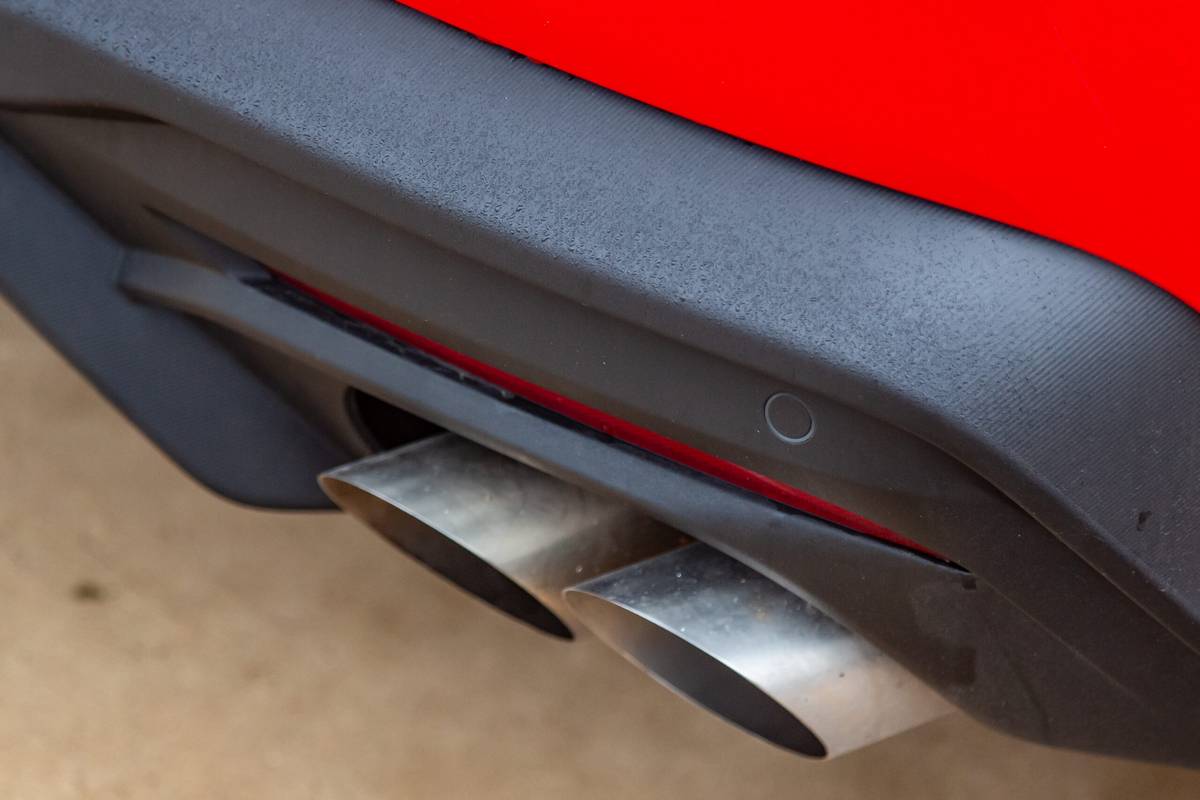
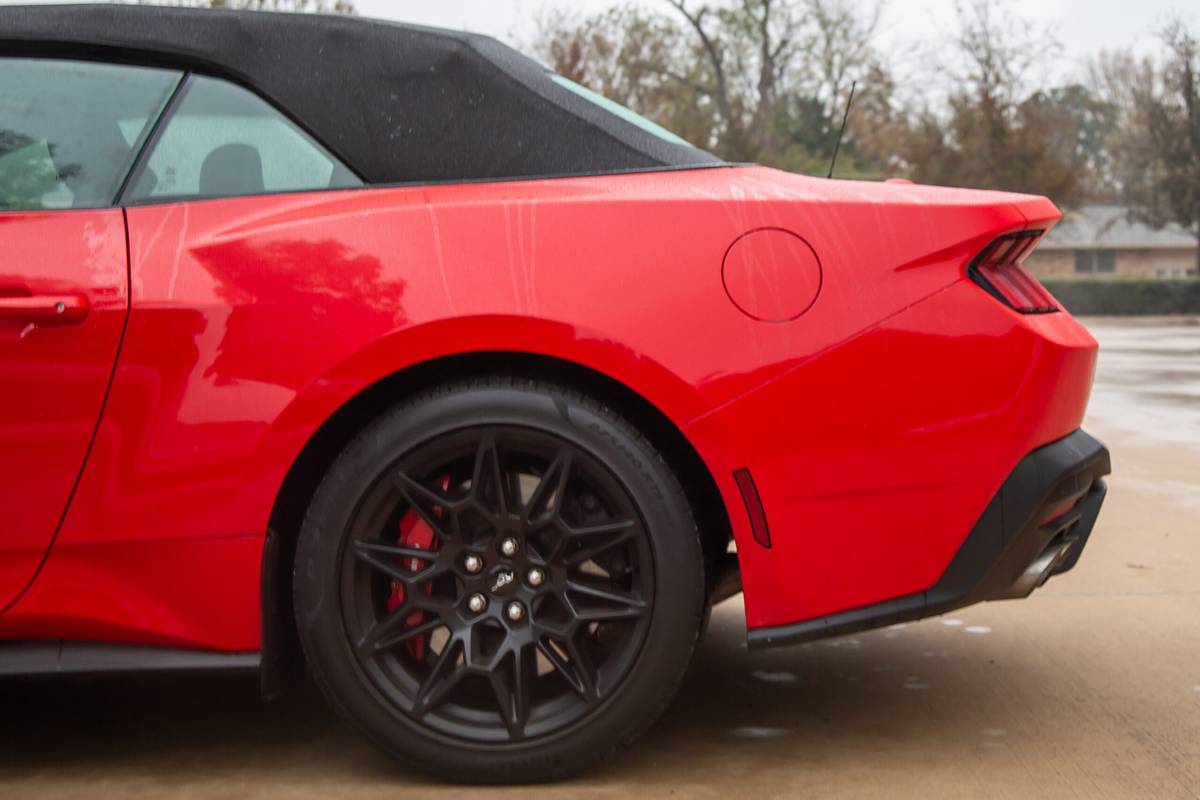
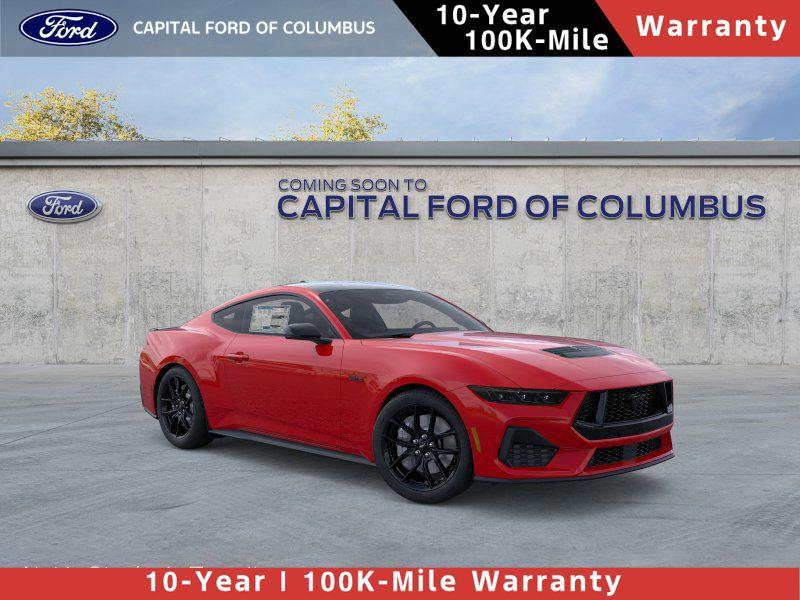
I can attest, however, that 480 hp is more than enough for mischief. Not long after testing the Dark Horse, I drove an automatic-equipped, Race Red GT Performance Convertible in Dallas, where I hang my hat for the holidays. The 30-ish degree Fahrenheit temps, chronic dampness and Dallas’ utter lack of roadway curvature meant the dynamic merits of the GT Performance Package went mostly unused, but the car’s active exhaust system and line-lock feature did not.
My dad and I found plenty of excuses to take out the red riot. Coffee, dog-food replenishment, groceries and lunch were all dispatched with a roiling rumble and a screeching swish. It’s funny — you hate the loud, obnoxious cars until you’re in one, then you find yourself laying down “11s” a few miles from your childhood home. Had I already done that in a 2005 Pontiac GTO? Yeah. Was it just as fun 13 years later with the Mustang’s top down? Also yeah.
What a perfect weekend toy for the enthusiast-adjacent. While I do prefer my pony cars to have three pedals and some manner of torsional rigidity, a top-down on-ramp blitz with eight cylinders roaring can’t be beat — especially with the leather-trimmed heated seats and heated steering wheel keeping both digits and derriere toasty.
You’re never too good to have fun in an automatic GT — especially when it’s this quick. In a straight line, even the best driver would struggle to nose a stick-shift Dark Horse ahead of the point-and-squirt automatic GT Performance, which offers a 0-60 mph rush that feels close to 4 seconds flat.
Was the GT Performance convertible I drove worth its $72,000 as-equipped price? Is the Dark Horse SC worth over $100,000? Does it matter? We’re running out of V-8-powered two-doors. Pick a flavor, and run with it — preferably somewhere with either convertible weather or some tarmac that kinks.
Related Video:
We cannot generate a video preview.
Cars.com’s Editorial department is your source for automotive news and reviews. In line with Cars.com’s long-standing ethics policy, editors and reviewers don’t accept gifts or free trips from automakers. The Editorial department is independent of Cars.com’s advertising, sales and sponsored content departments.