



The Best Used-Car Loan for You: Bank, Dealer or Credit Union?

What Car Shoppers Need to Know
- Used-car loans generally carry higher interest rates than new-car loans, so shopping for rates is critical.
- Always shop around and secure a prequalification for a loan before heading to the dealership.
- Credit unions are often the best option for used-car loans as they are nonprofit and typically offer the lowest interest rates.
If you’re planning to buy a used car, it’s worthwhile to know that loans for a used car generally carry higher interest rates than new-car loans. That’s because automaker-sponsored car deals with low rates are designed to move new-car inventory off the lot. It’s always in your best interest to shop around for a car loan before heading to the dealership, but that’s especially true when it comes to used cars — so here are the pros and cons of getting a used-car loan at a bank, dealership and credit union.
Related: Auto Loan Payment Calculator
Bank Loan Pros
- It’s easy to prequalify at a bank you already use. Banks might not offer preferred rates to existing customers, but since your bank already has all of your information, there may be fewer steps to your reapproval, prequalification and final paperwork should you choose to move forward with the loan.
- It’ll be easy to keep track of your loan. If you finance a car using your existing bank, the information will be in one place.
Bank Loan Cons
- Banks may not have the best rates. It’s easy and convenient to shop around for a bank loan, but dealerships or credit unions may have better deals with lower interest rates.
- Shopping around for multiple loans may temporarily hurt your credit score. There are two types of credit checks: “soft” checks and “hard” checks. Soft checks shouldn’t hurt your credit, but multiple hard checks may temporarily hurt your credit rating. A prequalification shouldn’t require a hard check, but not all lenders handle the process properly or ethically.
Credit Union Loan Pros
- Credit unions generally have the lowest interest rates for used-car loans. Credit unions may look and feel like a bank, but they operate as nonprofit financial institutions. That means they’re able to offer lower interest rates on all kinds of loans, such as mortgages and personal loans in addition to car loans, because they aren’t trying to appease shareholders with high profits.
- Credit unions may offer more transparency. Banks advertise their best rates, but only the best customers may qualify for them. With a credit union, you’re more likely to qualify for the advertised rate.
- Credit unions are easy to deal with. As a nonprofit, member-focused financial institution, credit unions are generally known for great customer service.
- You may already be a credit union member. Even if you haven’t sought out a credit union to join, there are many credit unions that service specific groups, such as teachers, law enforcement, active military, military veterans or various government agencies.
Credit Union Loan Cons
- You must be a member to use a credit union’s services. Finding the right credit union for you and becoming a member might add a few steps to the process of getting a good used-car loan.
- Some credit unions have limited membership. There are credit unions that don’t limit membership to people who live in a certain area or work in a specific profession, but many do. Anyone should be able to find a credit union, but it might take some research.
Dealer Loans Pros
- Dealer loans are convenient. If you’re buying a car through a dealership, it makes sense to prequalify for a loan beforehand. It doesn’t cost you anything to let the dealership try to sell you a loan, and you don’t have to accept the dealership’s terms if your bank has already offered you a better loan.
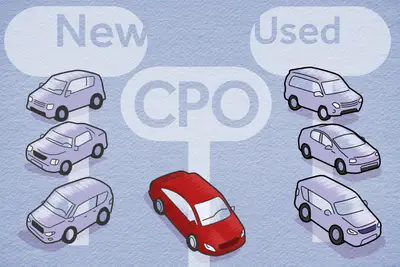
- Certified pre-owned special interest rates can be favorable. Many automakers offer special low financing rates specifically for certified pre-owned vehicles, which can sometimes match rates for new cars. However, these incentive rates are typically reserved for shoppers with excellent credit and may limit your ability to negotiate the vehicle’s price with the dealer.
Dealer Loans Cons
- Dealerships might not have the best rates. Car brands love to advertise deals with low APR financing because it gets people into dealerships, but those deals are generally only available for specific new cars, and qualification is likely limited to people with good or great credit scores. Generally, you’re better off not financing through the dealership, but there’s always the possibility that they’ll be able to give you a good rate (and it doesn’t hurt to find out).
More on Finance From Cars.com:
- What Does the New-Car Loan Interest Deduction Mean for Consumers?
- How Do You Get the Best Interest Rate on a Car Loan?
- It’s Getting More and More Expensive to Finance a New Car
- 15-Year Car Loans Aren’t a Thing, But Americans Are Getting More Comfortable With Long Loan Terms
- Add Cars.com as a Preferred Source on Google
Cars.com’s Editorial department is your source for automotive news and reviews. In line with Cars.com’s long-standing ethics policy, editors and reviewers don’t accept gifts or free trips from automakers. The Editorial department is independent of Cars.com’s advertising, sales and sponsored content departments.


